

Why Some Homeowners Are Swapping Old Shower Doors for Frameless Designs
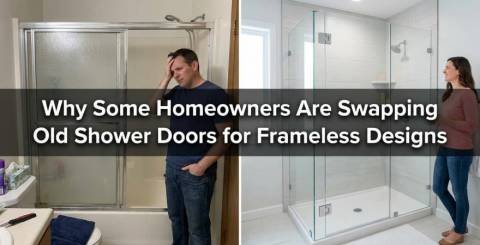
Walk into a bathroom remodeled in the last five to ten years, and you’ll notice a common thread: fewer visual barriers. Bulky metal frames, cloudy tracks, and water-stained enclosures are steadily being replaced with clean glass panels and minimal hardware. It’s not just a design fad—many homeowners are making the switch because frameless enclosures solve practical, day-to-day frustrations that older shower doors tend to create.
What’s driving the change? In short, people want bathrooms that feel brighter, easier to maintain, and more “built-in” than “bolted on.” And as bathrooms increasingly pull double duty—getting you out the door on weekdays, feeling spa-like on weekends—the enclosure matters more than it used to.
The Real Appeal: A Bathroom That Feels Bigger (and Works Better)
Frameless glass has a way of visually expanding a room. Without thick borders chopping up sightlines, even a modest bathroom can feel more open. That’s a big reason designers often treat the enclosure as part of the architecture rather than an accessory.
But the shift isn’t purely aesthetic. Many homeowners start considering a replacement after dealing with the same nagging issues: grime trapped in tracks, wobbly doors, corrosion around the frame, or persistent leaks that seem impossible to fully fix.
When researching options, it’s helpful to look at how modern Frameless Shower Doors are built and configured, because “frameless” isn’t one single product—it’s a category of systems (hinged doors, sliders, fixed panels) that use thicker tempered glass and sturdy hardware to create a cleaner look without sacrificing stability.
Practical Reasons Homeowners Prefer Frameless
Less gunk, fewer crevices, simpler cleaning
Traditional framed doors often have bottom tracks and tight seams that collect soap scum, hard-water deposits, and mildew. Those areas are hard to reach and even harder to keep dry. Frameless designs reduce the number of places where buildup can hide.
That doesn’t mean maintenance disappears—you still have glass—but cleaning becomes more straightforward: fewer corners, fewer parts, and generally less scrubbing with tiny tools. Homeowners in hard-water regions often pair the upgrade with a water-softening approach or a protective glass coating to cut down on spotting.
More light and better sightlines
Bathrooms frequently suffer from uneven lighting. A framed enclosure can cast shadows and visually “block” the shower area, especially in narrow layouts. Frameless glass lets light travel, which is particularly noticeable when:
- the shower sits near a window,
- you use recessed lighting or a niche light,
- the bathroom has darker tile that benefits from more reflection.
The result is a space that feels calmer and more intentional—less like a collection of fixtures competing for attention.
A modern enclosure is sturdier than many people expect
A common misconception is that “frameless” means fragile. In reality, frameless systems rely on thicker tempered safety glass and robust hinges, clamps, or rollers. Tempered glass is designed to be significantly stronger than standard glass and, if it ever breaks, it crumbles into small pieces rather than sharp shards.
The key is proper installation: correct anchoring into studs or appropriate blocking, precise leveling, and the right seals and sweeps to manage water. When those details are handled well, a frameless door can feel more solid than an aging framed door with a loosening track.
Design Flexibility: It’s Easier to Get the Shower You Actually Want
Better fit for custom layouts
Older shower doors often come in limited sizes and standard configurations. Frameless systems are typically measured and built to suit the opening, which is a major advantage in real homes—where walls aren’t perfectly plumb, and tile lines don’t always behave.
That flexibility helps homeowners accommodate popular shower upgrades such as:
- curbless entries (with careful water-management planning),
- benches and wider openings,
- larger-format tile and linear drains,
- statement showerheads that deserve an unobstructed view.
Finishes that match the rest of the bathroom
Because the “frame” is essentially hardware, you can more easily align the look with the rest of the room—matte black with black faucets, brushed nickel with towel bars, or warm tones that coordinate with brass. This matters if you’re aiming for a cohesive space rather than a piecemeal renovation.
Cost, Value, and the “Is It Worth It?” Question
Frameless enclosures often cost more upfront than basic framed doors, mainly due to thicker glass, heavier-duty hardware, and the precision required for measurement and installation. Still, homeowners frequently justify the spend for three reasons:
- Longevity: Fewer aluminum parts to corrode, fewer tracks to deform, and fewer plastic components to yellow over time.
- Reduced annoyance costs: Less time battling buildup, fewer “small repairs” that never quite solve the problem.
- Resale appeal: Bathrooms sell homes, and buyers notice a clean, updated shower immediately—sometimes more than they notice a new vanity.
One practical way to think about it: if you’re already investing in tile, waterproofing, and fixtures, the enclosure is the final layer everyone sees and touches daily. Skimping there can undercut the feel of the whole remodel.
What to Know Before You Replace an Old Door
A frameless upgrade goes smoothly when you treat it like a small construction project rather than a simple swap. Here’s a quick checklist to keep the process grounded:
- Confirm the walls are properly reinforced (blocking or studs) where hinges or panels will mount.
- Expect out-of-plumb walls in older homes; precise measurement matters.
- Decide early between a hinged door vs. a sliding system based on clearance and traffic flow.
- Plan water containment: curb height, showerhead direction, and the use of sweeps/seals.
- Consider privacy and maintenance: clear vs. low-iron vs. frosted glass, and whether you want a protective coating.
That short list can prevent the most common disappointments—like a door that swings into a toilet or towels that get sprayed because the layout wasn’t evaluated.
Keeping Frameless Glass Looking New
The “secret” is consistency, not specialty products. A quick squeegee pass after showering dramatically reduces spotting and mineral buildup. Beyond that, mild cleaners and non-abrasive cloths protect both the glass and the hardware finish.
If you live in an area with hard water, you’ll get better results by addressing the source—filtration or softening—than by escalating to harsher chemicals. And if you love the look of matte black or specialty finishes, treat hardware gently; aggressive cleaners can dull coatings over time.
The Takeaway
Homeowners aren’t switching to frameless shower doors just because they look modern. They’re doing it because frameless enclosures solve real problems—grimy tracks, blocked light, dated visuals—while making the bathroom feel larger and more cohesive. If you approach the upgrade thoughtfully, with attention to layout and installation details, it’s one of those changes that improves both the daily routine and the long-term value of the home.
Similar Articles

The garden has quietly become the most valuable extra room in the British home. With hybrid working now a fixture rather than a phase, the wider outdoor-living economy is booming.

Most people who hire a skip bin for the first time arrive at the decision under some degree of pressure. The renovation has started, the waste is accumulating, and the question of what to do with it has become urgent.

Most homeowners approaching a granny flat project spend considerable time thinking about the end result and considerably less time thinking about the floor plan decision that will largely determine what that result looks and feels like.

Running out of room? Happens to almost everyone eventually. Garages fill up, closets overflow, and suddenly the lawnmower is living next to the holiday decorations in some awkward standoff.

Heating and cooling equipment affect more than the temperature on the thermostat. It influences comfort between rooms, humidity, airflow, and the condition of the air as it moves through the home.

The key to a minimalist living room is restraint, but that's not enough to make a room feel finis

Rectification of exterior cladding may be required during the lifetime of a building for several reasons: to replace non-compliant cladding/combustible panels, to repair damage, to improve energy efficiency, or to modernise an older building.

A tunnel greenhouse is designed to provide years of growing space, but not every part of the structure has the same lifespan.

Australian hardwood presents a very different challenge from the lighter timber commonly used in many parts of the northern hemisphere.