

DIY vs. Professional Shed Builder: Pros and Cons
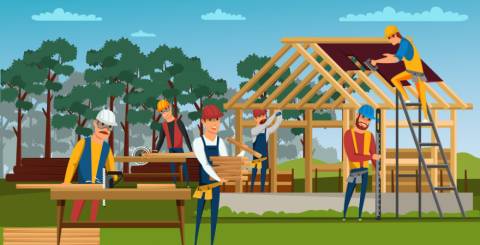
Building a shed adds storage space, protects equipment, and improves backyard organization. Many homeowners face a choice: hire a professional shed builder or attempt a DIY project. Recent surveys show that around 45% of homeowners consider DIY to save costs, while 55% prefer professional help for quality assurance. This article compares DIY sheds and professional shed builders. You will learn the advantages, drawbacks, costs, time, and risks of both approaches. By the end, you can decide which option fits your needs and skills.
Understanding the Options
What is a DIY Shed?
A DIY shed is a structure built by a homeowner without hiring a professional. Kits, online guides, and local hardware stores make DIY sheds accessible. Materials often include wood, metal, or composite panels. DIY projects can range from simple storage boxes to larger custom designs.
What is a Professional Shed Builder?
A professional shed builder is a trained contractor who plans, builds, and installs sheds. They handle measurements, materials, permits, and finishing. Professionals may offer custom designs, warranties, and ongoing support. They are especially helpful if you want a large shed, as it requires advanced skills, proper tools, and careful planning to ensure safety and stability.
Read more: Ways of Organizing Your Shed Effectively
Cost Comparison
Cost is a major factor in deciding between DIY and professional shed builders.
| Option | Average Cost | Materials | Labor | Hidden Costs |
|---|---|---|---|---|
| DIY Shed | $400 - $2,000 | Provided by homeowner | Free | Tools, mistakes, extra materials |
| Professional | $1000 - $15,000 | Provided by builder | Included | Permits, design fees |
DIY sheds can save money upfront, but errors can increase costs. Professionals charge more, but the project is usually faster and higher quality.
Time Commitment
Time affects both options.
DIY Time
Building a shed yourself takes 1-4 weekends, depending on size and skill. Some kits claim 8-12 hours of assembly. Delays happen if tools or materials are missing.
Professional Time
A professional shed builder usually completes the job in 1-3 days. They work full-time and have proper tools. Permits or inspections may add extra days.
Skill and Experience
Skill level determines success.
DIY Skills Needed
- Basic carpentry
- Measuring and leveling
- Using power tools
- Following instructions
Mistakes can weaken the shed. DIY builders risk uneven floors, leaks, or unstable walls.
Professional Skills
Professional builders bring experience, precision, and problem-solving. They can handle complex designs, roofing, and permits. Mistakes are rare.
Quality and Durability
The quality of the shed affects longevity.
DIY Quality
DIY sheds often last 5-15 years. Longevity depends on materials and builder skill. Using treated wood or metal can extend life. Poor construction can lead to leaks, sagging, or rot.
Professional Quality
Professional sheds typically last 15-30 years. Builders use high-quality materials and construction methods. They can provide warranties for defects.
Flexibility and Customization
Customization is important for many homeowners.
DIY Flexibility
DIY allows creative freedom. Builders can change dimensions, add windows, or paint as they like. Some limitations exist with kit sizes or personal skill.
Professional Flexibility
Professional builders can create fully custom designs. They handle unusual layouts, specialized storage, or complex roofs. Professionals can also advise on materials suited for weather or terrain.
Safety Considerations
Safety is crucial.
DIY Safety
DIY builders face risks like power tool injuries, ladder falls, and heavy lifting. Lack of experience may increase accidents. Wearing protective gear is necessary.
Professional Safety
Professionals follow safety regulations. They have proper training, equipment, and insurance. Risks to homeowners are minimal.
Pros and Cons
DIY Shed
Pros
- Lower upfront cost
- Personal satisfaction and learning
- Flexible design adjustments
Cons
- Time-consuming
- Risk of mistakes
- Limited durability if skill is low
- Safety risks
Professional Shed Builder
Pros
- High-quality construction
- Fast completion
- Customization options
- Warranty and support
Cons
- Higher cost
- Less personal involvement
- Scheduling required
Decision-Making Factors
Homeowners should consider:
- Budget – DIY saves money, professional adds cost.
- Time – DIY may take weeks, professional finishes quickly.
- Skill Level – Low skills favor hiring a builder.
- Complexity – Custom or large sheds suit professionals.
- Safety – Professionals reduce injury risks.
Tips for DIY Success
- Choose a reliable shed kit.
- Prepare the site level and clear.
- Follow instructions carefully.
- Use proper safety gear.
- Check local permits before starting.
Tips for Hiring a Professional
- Verify licenses and insurance.
- Check reviews and references.
- Compare quotes from multiple builders.
- Ask about materials and warranties.
- Confirm project timeline and permits.
Conclusion
Choosing between DIY and professional shed builders depends on budget, time, skill, and goals. DIY offers cost savings and personal satisfaction but requires time and skill. Professionals ensure quality, speed, and safety at a higher cost. Evaluate your priorities before deciding. With careful planning, either option can provide a durable, functional shed for your backyard.
Similar Articles
Rectification of exterior cladding may be required during the lifetime of a building for several reasons: to replace non-compliant cladding/combustible panels, to repair damage, to improve energy efficiency, or to modernise an older building.

A tunnel greenhouse is designed to provide years of growing space, but not every part of the structure has the same lifespan.
Australian hardwood presents a very different challenge from the lighter timber commonly used in many parts of the northern hemisphere.

Why Do Concrete Driveways Turn Orange After Summer Rain? Learn the causes—rust, minerals, irrigation—and how to clean and prevent stains.
DIY mistakes can quickly turn a money-saving project into an expensive repair. Learn how better planning, the right tools and knowing when to call a professional can help you avoid costly setbacks.
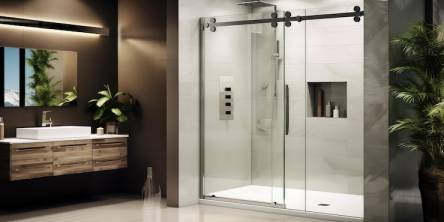
Modern bathrooms have evolved from purely functional spaces into relaxing retreats that balance comfort, aesthetics, and practicality.
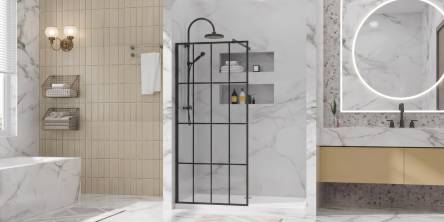
Bathrooms have evolved far beyond their purely functional role. Today, they're carefully designed spaces that reflect personal style while balancing practicality, durability, and long-term value.
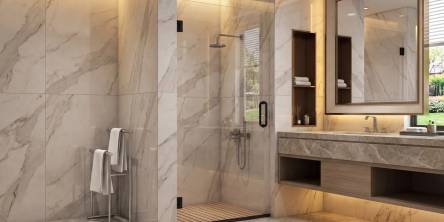
A shower door is one of the most dependable shower enclosure options for homeowners who value durability, affordability, and timeless style.
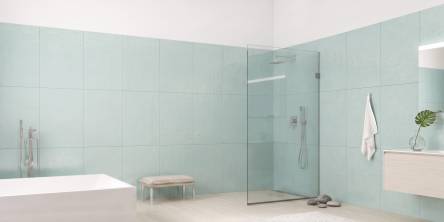
Modern bathrooms are increasingly designed around simplicity, openness, and long-term functionality. One feature that perfectly reflects these priorities is the fixed panel shower screen.