

The Best Time of Year to Inspect Rooflines, Gutters, and Fascia Boards

Your home's exterior takes a beating year-round. Rain, wind, snow, and summer heat all conspire to wear down the edges of your roofline, loosen your gutters, and degrade the fascia and soffit boards that frame your home's upper perimeter. Yet for most homeowners, these components rarely get a second glance until something goes seriously wrong.
The good news? A little attention at the right time of year can save you thousands in repairs and help your home look its best no matter the season. Here's everything you need to know about when and how to inspect your rooflines, gutters, and fascia boards and why catching problems early is always the smarter move.
Why Roofline Maintenance is So Often Overlooked
It's easy to ignore what you can't easily see. Gutters, fascia boards, and soffits sit high on your home's exterior, out of casual view unless you're standing at just the right angle or perched on a ladder. Most homeowners don't venture up there unless they're forced to.
But here's what's quietly happening above your eye line: water is pooling in clogged gutters, fascia boards are softening from moisture exposure, soffits may be cracking or separating, and the small gaps forming along your roofline are slowly inviting insects, birds, and drafts into your attic. The damage accumulates over months and years before it becomes visually obvious from the ground.
By then, a simple cleaning and minor repair job has often become a full fascia board replacement, a re-roofing project, or worse interior water damage that shows up as stains on your ceilings.
The Best Seasons for Roofline Inspection
Late Summer and Early Fall: The Prime Window
If there's one ideal time to inspect your roofline, gutters, and fascia boards, it's late August through October. Here's why this window works so well:
Summer growth has finished. Trees have shed pollen and seeds, and the summer's leaf growth is at its peak before the autumn drop begins. Your gutters have collected an entire season's worth of organic debris.
The weather is cooperative. Temperatures are mild enough for safe ladder work, and you're not racing against rain or snow.
You're ahead of winter. Any damage you find can be repaired before freezing temperatures arrive which is critical because water that gets behind a loose fascia board and freezes will expand the damage dramatically.
During this inspection, run your hands along fascia boards for soft spots that indicate rot. Check where gutters attach to the fascia loose hangers and sagging sections are common here. Look at your soffits for discoloration, cracking, or holes that could allow pests inside.
Also Read: 5 Low-Commitment Interior Upgrades to Create a Warmer Living Space
Early Spring: The Post-Winter Assessment
Spring is the second most important inspection window. After months of ice, snow, wind, and freeze-thaw cycles, your roofline will reveal whatever winter left behind. Ice dams ridges of ice that form at the roof's edge and force water backward under shingles are a particular culprit for fascia and soffit damage.
In spring, look for:
- Gutters that have pulled away from the home or are visibly warped
- Paint peeling on fascia boards (a sign of moisture infiltration)
- Cracks or gaps in soffit panels
- Rust streaks or water stains below gutter lines
Addressing these issues in March or April gives you the full summer to make repairs properly, without the pressure of an approaching winter.
Common Problems Found During Roofline Inspections
Clogged and Sagging Gutters
Gutters are the drainage system of your roof. When they clog with leaves, seed pods, and debris, water has nowhere to go but over the sides or backward under your roofing material. Over time, standing water in gutters adds significant weight, causing gutter hangers to pull away from the fascia.
Clean gutters at minimum twice per year: once in late spring after trees have finished releasing seeds, and once in late fall after the majority of leaves have dropped. In areas with heavy tree coverage, quarterly cleaning may be necessary.
Deteriorating Fascia Boards
Fascia boards are the flat boards that run along the lower edge of your roofline, capping the end of your roof rafters. They're the structural anchor point for your gutters and they take a constant beating from water exposure.
Wood fascia boards are particularly vulnerable to rot when gutters overflow or when paint and caulking fail. Signs of trouble include soft or spongy wood when pressed, visible discoloration or dark staining, paint that's bubbling or flaking, and boards that are visibly warped or pulling away from the structure.
Replacing a fascia board is a manageable repair when caught early. Left alone, rotted fascia can compromise gutter stability and create entry points for water into your roof structure.
Aging or Damaged Soffits
Soffits are the undersides of your roof overhang the horizontal panels you see when you look up at the eaves. They play a critical ventilation role, allowing air into the attic to prevent moisture buildup and regulate temperature. Damaged soffits can lead to poor ventilation, elevated humidity in the attic, mold growth, and pest intrusion.
Inspect soffits for cracks, holes, staining, or sections that have dropped or separated from their framing. Vinyl soffits, while more durable than wood, can crack in extreme cold or become dislodged after high winds.
How Holiday Preparations Reveal Hidden Roofline Problems
There's a surprisingly common pattern among homeowners: they discover roofline issues while preparing for seasonal projects. In particular, homeowners arranging custom Christmas light installation frequently uncover problems that had been developing quietly for months or years.
When professionals or homeowners go to attach lighting clips along gutters or mount displays along fascia boards and rooflines, they're working in close contact with these exterior components often for the first time in over a year. It's during this process that a fascia board that feels soft underfoot, a gutter that visibly sags when touched, or a soffit panel that's clearly detached gets noticed.
For anyone planning custom Christmas light installation, this is actually a useful reminder: inspect your roofline, gutters, and fascia boards before the installation team arrives. Not only does this ensure that mounting points are structurally sound, but it also means your home will look its absolute best with the holiday lighting framing a clean, well-maintained exterior.
A Simple Roofline Inspection Checklist
Before you hire a professional or pick up a ladder, here's what to assess:
1. Gutters are they level or sagging? Are there visible gaps at seams or downspout connections? Do they overflow during rain?
2. Fascia boards is the paint in good condition? Do boards feel firm when pressed? Are any visibly warped or separating?
3. Soffits are panels intact with no holes or cracks? Is there any discoloration or staining that suggests moisture?
4. Roofline edges are shingles flush at the edge, or are any lifted, curling, or missing near the eaves?
5. Gutter hangers are all hangers firmly attached to the fascia, or are any loose or missing?
When in doubt, bring in a roofing professional for an annual inspection. The cost of a professional assessment is minimal compared to the repairs it can prevent.
Final Thoughts
Your roofline, gutters, and fascia boards work together as a system to protect your home's structure from water intrusion and weather damage. Inspecting them twice a year in late summer and early spring keeps small problems from becoming expensive ones.
And whether you're preparing for winter, coming out of it, or planning for custom Christmas light installation, the time you spend on your roofline today is one of the best investments you can make in your home's long-term health and curb appeal.
Similar Articles

The garden has quietly become the most valuable extra room in the British home. With hybrid working now a fixture rather than a phase, the wider outdoor-living economy is booming.
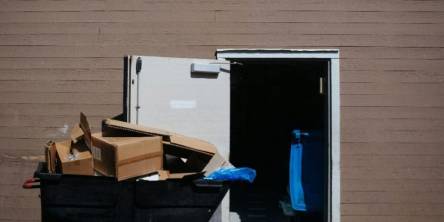
Most people who hire a skip bin for the first time arrive at the decision under some degree of pressure. The renovation has started, the waste is accumulating, and the question of what to do with it has become urgent.

Most homeowners approaching a granny flat project spend considerable time thinking about the end result and considerably less time thinking about the floor plan decision that will largely determine what that result looks and feels like.

Running out of room? Happens to almost everyone eventually. Garages fill up, closets overflow, and suddenly the lawnmower is living next to the holiday decorations in some awkward standoff.
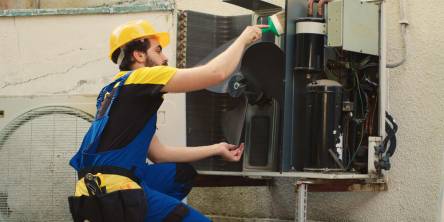
Heating and cooling equipment affect more than the temperature on the thermostat. It influences comfort between rooms, humidity, airflow, and the condition of the air as it moves through the home.

The key to a minimalist living room is restraint, but that's not enough to make a room feel finis
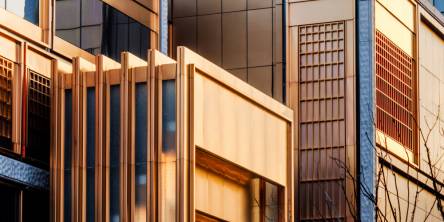
Rectification of exterior cladding may be required during the lifetime of a building for several reasons: to replace non-compliant cladding/combustible panels, to repair damage, to improve energy efficiency, or to modernise an older building.
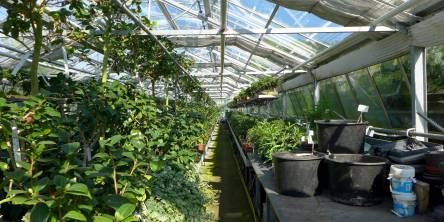
A tunnel greenhouse is designed to provide years of growing space, but not every part of the structure has the same lifespan.
Australian hardwood presents a very different challenge from the lighter timber commonly used in many parts of the northern hemisphere.