

The Hidden Dirt That Builds Up Around Backyard Pools
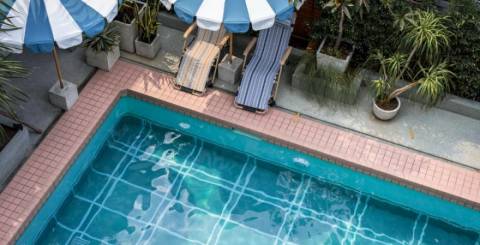
There's something undeniably satisfying about a clean backyard pool on a hot summer afternoon. The water sparkles, the deck looks inviting, and everything feels refreshed and ready for use. But beneath that surface appeal, the area surrounding your pool is quietly accumulating a surprising amount of grime grime that most homeowners don't notice until it becomes a visible or safety problem.
If you own an in-ground or above-ground pool with a surrounding deck or patio area, understanding what builds up around that space and why it matters can help you stay ahead of damage, prevent accidents, and keep your outdoor living area looking its best all season long.
What's Really Collecting on Your Pool Deck
Pool decks look relatively clean to the naked eye for much of the summer. A quick rinse here and there, maybe a sweeping session after a big gathering, and things seem fine. But looks are deceiving. The surfaces around residential pools are exposed to a unique combination of substances that accumulate in layers over time.
Sunscreen and Body Oil Residue
Every time someone climbs out of the pool and sits on the concrete, pavers, or tile surrounding the water, they leave behind a thin film of sunscreen and body oil. SPF 50 doesn't wash away easily it's designed to resist water, which means it also resists casual rinsing with a garden hose. Over weeks and months, this residue builds up into a slick, yellowish film that clings to surfaces and attracts additional dirt like a magnet.
This is one of the most underestimated contributors to pool deck grime. A heavily used pool area can accumulate visible sunscreen buildup within just a few weeks of summer use, especially on lighter-colored concrete or pavers where the discoloration is easier to spot.
Also Read: 5 Low-Commitment Interior Upgrades to Create a Warmer Living Space
Spilled Drinks and Food Residue
Pools and parties go hand in hand, which means spilled sodas, fruit juices, beer, and snack residue are constant companions on pool decks. Sugary liquids are particularly problematic they soak into the pores of concrete and pavers, where they become a food source for mold, mildew, and bacteria. Even what appears to be a harmless splash of lemonade can leave behind a sticky surface film that compounds with foot traffic and organic debris over time.
Algae and Biological Growth
Pool decks stay perpetually damp. Between pool water splashing out, wet bathing suits dripping across the surface, and early morning dew, there's almost always some level of moisture present around the pool perimeter. That consistent moisture creates the ideal environment for algae, mold, and mildew to take hold.
Green and black algae are common on shaded sections of pool decks. They don't just look bad they create dangerously slippery surfaces that dramatically increase the risk of slips and falls. Black mold in particular penetrates deeply into concrete and paver joints, making it one of the more stubborn problems homeowners encounter in pool areas.
Dirt and Debris Tracked In from the Lawn
A pool doesn't exist in isolation. It sits within a yard, and everyone who enters the pool area walks through grass, soil, mulch, or garden beds to get there. That means every barefoot trip to the water is quietly depositing organic material soil, grass clippings, pollen, fertilizer residue, and leaf fragments onto the deck surface.
Over a single summer, this accumulation can fill the joints between pavers and create a thick layer of packed debris on concrete. Rain events make this worse by washing additional organic matter from surrounding landscaping directly onto the deck, where it settles and breaks down.
Why This Buildup is More Than a Visual Problem
It's tempting to dismiss dirty pool decks as purely a cosmetic issue. But the buildup described above creates real, tangible problems beyond aesthetics.
Safety Hazards
Sunscreen residue, algae growth, and soap film combine to create slick surfaces that are genuinely hazardous around pools. Falls near pools are serious the hard surface of concrete or pavers, combined with nearby water, makes slip-and-fall accidents one of the leading causes of injury in residential pool settings. A slippery deck isn't just unsightly, it's a liability.
Surface Degradation
Concrete is porous, and so are most natural stone and paver materials. Organic material that gets into those pores algae spores, sugar residue, oils doesn't just sit on the surface. It works into the material over time, expanding and contracting with temperature changes and contributing to cracking, staining, and surface breakdown. Pool decks that go years without deep cleaning often require expensive repairs or resurfacing that could have been avoided with regular maintenance.
Water Quality Impact
Heavy contamination on pool decks doesn't stay on the deck. Rain, pool splashback, and foot traffic continuously pull surface contaminants into the pool itself. Sunscreen oils and organic debris contribute to chemical imbalances and increase the load on pool filtration systems. Keeping the deck clean is, in a real sense, part of keeping the pool clean.
The Role of Power Washing in Pool Deck Maintenance
For homeowners who want to address built-up grime thoroughly, periodic power washing is one of the most effective methods available. Unlike a garden hose or manual scrubbing, power washing uses pressurized water to penetrate porous surfaces and dislodge embedded contaminants including sunscreen film, algae, organic buildup, and the accumulated residue of a busy swim season.
Homeowners in suburbs outside of cities are increasingly turning to residential power washing and surrounding areas as a practical seasonal maintenance task. The appeal is straightforward: a professional power washing service can restore a stained, slippery pool deck to a clean, safe surface in a fraction of the time it would take with traditional cleaning methods, and without the physical strain of scrubbing large surface areas by hand.
Power washing is particularly effective on concrete pool decks, where buildup penetrates surface pores and resists conventional cleaning. It's also commonly used on brick and natural stone pavers, though those materials sometimes require lower pressure settings to avoid surface damage. A properly performed residential power washing can strip away algae, dislodge packed debris from paver joints, and remove the oily film layer that makes pool decks hazardous.
Timing matters. Many homeowners schedule a power washing session at the beginning of the pool season to address buildup from the previous year and start fresh. Others prefer end-of-season cleaning before closing the pool, preventing organic debris and mold from sitting on the surface through winter and becoming harder to remove come spring. Some do both a two-season approach that keeps the deck in consistently good condition.
It's worth noting that power washing alone addresses surface contamination. For decks with significant staining, joint erosion, or surface damage, additional treatment like sealing may be recommended after cleaning to protect the freshly cleaned material from rapid re-contamination.
Keeping Up Between Cleanings
Between professional sessions, regular light maintenance goes a long way. Rinsing the deck after heavy pool use, sweeping away leaves and organic debris before they break down into the surface, and keeping the surrounding lawn trimmed to reduce what gets tracked onto the deck all help slow the rate of buildup.
Encouraging guests to rinse off sunscreen before entering the pool or at the very least before walking on the deck area can also meaningfully reduce the residue that accumulates on the surface over a busy summer.
The Takeaway
Backyard pools bring a tremendous amount of enjoyment to homeowners, but the surrounding deck environment is quietly working against you every time the pool is used. Sunscreen, spills, algae, and tracked-in lawn debris combine into a buildup that affects both how the space looks and how safe it is to use. For homeowners who want to protect their investment, maintain a safe outdoor environment, and keep their pool area looking the way it should, paying attention to what's accumulating on the deck and addressing it systematically is an essential part of pool ownership.
Similar Articles

Learn 6 practical interior upgrades for your compact roadster, from console shelves to phone mounts, that improve comfort and storage without clutter.
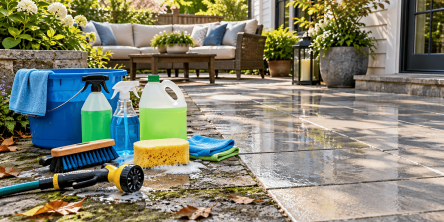
The most reliable way to keep outdoor stone looking its best through spring, summer and fall in 2026 is to match the product to the stain and the surface, rather than rely on a single all-purpose wash

Prepare your condo for professional management with a practical pre-onboarding checklist covering documents, finances, maintenance, and resident communication.
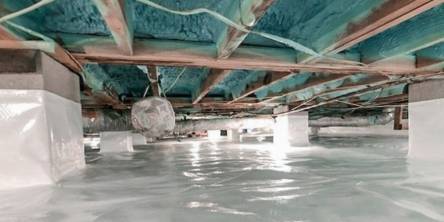
Discover 7 essential questions to ask when choosing a crawl space company for your coastal home, ensuring quality repairs, moisture control, and lasting protection.

A home sauna can sound like a luxury purchase, but for some households it becomes a feature that gets used regularly rather than occasionally. The real question is not whether a sauna is appealing. It is whether the cost makes sense for the way you live.

Learn what to consider before adding a fireplace to an open-plan home, including placement, heat output, furniture, materials, installation and maintenance.
Garage doors are used so frequently that it is easy to overlook the wear and tear they experience. Over time, moving parts can loosen, sensors can become misaligned, and small mechanical problems can develop into expensive repairs.
Most of the decisions that make or break a detached garage happen before a single wall goes up.

If you have ever cleared the dining table for a blow-up mattress, or given up your own bedroom for a week while relatives filled the house, you already understand the problem.