

Why CRM Automation Is Critical for Managing Long Sales Cycles

Most lost deals don't die because of price. They die because someone forgot to follow up. Or the prospect went quiet, and the rep assumed it was over. Or a deal that had been warming for five months got handed to someone new who had no idea what had already been discussed.
This happens constantly in B2B sales. And the longer your sales cycle, the more chances there are for something to slip.
At Arobit, we work with businesses that run complex sales operations. The teams we talk to aren't lazy or disorganized. They're stretched. Managing ten to fifteen open deals simultaneously, each at a different stage, each with its own set of stakeholders and action items — it's a lot to carry. And no spreadsheet or shared inbox is built for that.
The Part of Long Sales Cycles Nobody Plans For
Everyone plans for the pitch. Very few plan for month four.
That's when things get murky. The prospect is still interested but hasn't pulled the trigger. Internal approvals are in progress. The original champion you were working with just changed roles. And your rep, who's been nurturing this account since January, is now also managing seven new inbound leads.
What happens at month four usually determines whether the deal closes or quietly disappears. A few things make it genuinely hard:
Deals don't move in straight lines. A lead that's been cold for two months can suddenly become your most active prospect. Without a system watching for that shift, the rep has already mentally moved on.
Every deal has a trail — calls, emails, demos, document shares, proposal versions. When this lives across multiple tools or inside someone's memory, it degrades fast.
When reps transition accounts, context rarely transfers. The incoming person starts blind. The prospect has to repeat themselves. Trust erodes.
None of this is solved by working harder. It's solved by building a better system around the work.
What Actually Changes When You Automate Your CRM
There's a version of CRM automation that's just fancy reminders. That's not what we're talking about.
When it's set up properly, automation handles the connective tissue of a long sales process — all the small, recurring actions that need to happen consistently but don't require a human decision each time.
Keeping leads warm without babysitting them
A prospect who goes quiet for six weeks isn't necessarily lost. They might be getting internal sign-off, or finishing a contract with a current vendor. Automated nurture sequences keep your presence felt during that silence — a relevant article, a product update, a short check-in. Nothing pushy. Just enough to stay in the conversation.
Follow-ups that actually happen
A CRM that flags a deal going stale — and tells the rep what the last interaction was, what was shared, what was said — is doing real work. The rep doesn't have to dig through email threads. They get the context and take action. That's the difference between a timely follow-up and one that comes three weeks too late.
Knowing where every deal stands, right now
Sales managers in long-cycle environments often spend half their week chasing status updates. With proper pipeline automation, that picture is always current. Which deals are at risk? Which ones have gone too long without contact? Where are things stalling most often? You stop relying on gut feel and start making decisions based on what's actually happening.
The Quiet Problem With Manual CRM Data
Six months into a deal, how accurate is your CRM record?
If your team is logging manually, the honest answer is: not very. Reps log the meetings they remember. They skip the quick call on a Tuesday afternoon. They don't always note that the prospect opened the proposal three times this week. Over time, the record becomes a highlight reel, not a real history.
This creates real problems. Forecasting becomes guesswork. Handoffs become rough. And when you try to analyze why certain deals close and others don't, the data isn't reliable enough to tell you anything useful.
Automated activity capture fixes this quietly in the background. Every email sent, every document opened, every call logged — it all goes in without anyone having to remember to do it. When leadership reviews the pipeline, the numbers reflect what's actually happening. When a new rep picks up an account, the full story is there waiting for them.
Good CRM software development builds this data layer intentionally. Over time, patterns emerge — which nurture sequences are working, where deals consistently stall, what a healthy deal looks like at month three versus month six. That kind of insight shapes how you sell, not just how you track.
When Off-the-Shelf Isn't Enough
Standard CRM platforms are built to cover a pretty wide range of businesses. That’s also why they don’t land perfectly for everyone, or for every situation really.
If your sales process has steps or phases that don’t line up with some default template, or your team expects the CRM to integrate with your ERP, your billing system and your customer support platform, then a generic tool can end up creating more workarounds than it actually fixes. In practice you’re stuck adapting around its boundaries, not shaping something that truly matches how you work, day to day.
Some questions worth asking before you commit to a platform:
Do your sales stages fit cleanly into what the tool offers, or are you bending your process to match the software ?
How much of your team's daily work happens outside the CRM because it doesn't connect to the tools they actually use ?
How important is historical deal data to how you coach your team and forecast revenue ?
If the answers suggest complexity, a custom build is worth exploring. Working with a CRM development company is a practical route many growing businesses take — strong technical experience, deep exposure to varied sales environments, and cost structures that make custom development viable without a massive upfront commitment.
Where Things Are Going
The more forward-leaning CRM teams are already working differently. Deals get flagged as at-risk before the rep has noticed anything wrong. Email threads get analyzed for sentiment. Meeting notes auto-populate the CRM. Next-step suggestions come from the system based on what's worked in similar deals before.
This isn't far off. It's already how some teams operate. The gap between those teams and ones still running manual processes is widening, and it's widening fast.
You don't have to rebuild everything at once. Start with the fundamentals — consistent follow-up automation, lead nurturing, pipeline visibility. Get your data clean. Then the advanced capabilities have something solid to build on.
Conclusion
Long sales cycles will always be complex. That's the nature of the sale. But losing deals because a follow-up slipped or a handoff went badly — that's not complexity, that's process failure. And it's fixable.
CRM automation doesn't replace what good salespeople do. It protects the work they've already put in. It makes sure nothing falls through between touchpoints, that context travels with the deal, and that managers can see what's actually happening rather than what they hope is happening.
Arobit has helped businesses build and improve CRM systems designed around exactly these kinds of sales environments. The difference a well-built system makes isn't abstract — it shows up in deals that close instead of quietly going away.
FAQs
When does CRM automation actually start paying off?
Once your average cycle runs longer than a month and involves more than one or two decision-makers, the cracks in manual tracking start showing. You might not notice it immediately — but deals are slipping in ways that are hard to attribute to anything specific. Automation makes those gaps visible and fills them before they cost you.
Can our CRM connect with the tools we already use?
In most cases, yes. A properly configured CRM ties into email, calendars, ERP, billing, and support systems so your team isn't switching between platforms to piece together a picture. Whether that works out of the box or needs custom development depends on what your current stack looks like and how it's set up.
We have a CRM. How do we know if it's actually doing its job?
Look at how your team actually works day-to-day. Are reps keeping personal spreadsheets on the side? Do managers still chase deal updates in meetings? Is your forecast accuracy consistently off? Those are signs the CRM exists but isn't embedded in the process. The tool being there and the tool being used are two very different things.
Similar Articles
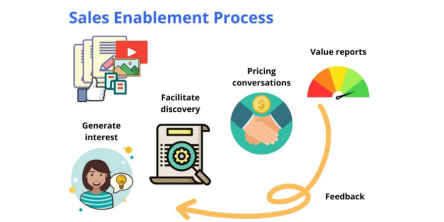
Discover 6 tips to align direct and indirect sales teams using a sales enablement platform to boost collaboration, visibility, and revenue.
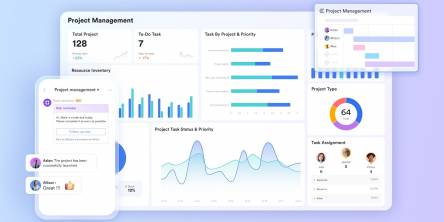
Sales deals stalling while teams wait on approvals, answers, or documents? This guide shows how instant internal collaboration removes bottlenecks and helps sales teams shorten the sales cycle. Learn how tools like shared deal rooms, AI meeting transcripts, fast approvals, and centralized sales content keep deals moving from pitch to close faster.

If you’re an online seller, you already know the hustle — uploading products, writing descriptions, fixing images, and praying the “Add to Cart” button gets some love

Any interior area, whether a workplace, a restaurant, a hotel, or other business establishment, needs furniture.

Discover why a top sales commission calculator is key to accurately tracking your income, boosting performance, and staying on top of your sales goals.

In the vibrant world of fintech, where innovation meets finance, the stakes for maintaining unshakable security and fostering enduring trust are sky-high. Here, transaction monitoring emerges as the unsung hero, the silent sentinel in the chaotic digital landscape

Your sales team needs the right sales tools and ready to boost customer conversion rates. These tools will help you target the right customers, build trust with them, and analyze their interactions with your website.
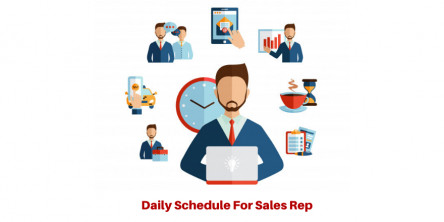
Sales reps have non-stop days and they know how to work hard. But to increase their selling time and revenue, sales reps must take control of their days and plan their activities carefully. A daily schedule for sales rep allows them to be as productive as possible to accomplish their goals.

Account based sales strategy is not a new concept and has been in the marketing world for years but today many business leaders and marketing experts are giving it a second look.