

When Should Businesses Start Planning Holiday Decor?

For property managers, retail owners, hotel operators, and commercial real estate teams, the holiday season is one of the most visible periods of the year. Storefronts, lobbies, plazas, and building facades become part of the customer experience, and the difference between a polished, well-lit display and a thrown-together one often comes down to a single factor: timing. Businesses that wait until Thanksgiving to start thinking about decor almost always end up with fewer choices, higher costs, and rushed installations. Those that plan early get the opposite better design options, dependable installer availability, and displays that are up and running before the shopping season even begins.
Why Timing Matters More Than Most Businesses Realize
Holiday decor is not a last-minute purchase like ordering extra napkins for a party. It's a coordinated project involving design consultation, custom fabrication or sourcing, logistics, and skilled installation labor all of which get booked up months in advance. Commercial-grade lighting, oversized ornaments, garland, wreaths, and structural displays are frequently custom-built or made-to-order, especially for buildings with distinct architectural features or branding requirements. Once October and November hit, design studios and installation crews are already locked into schedules set weeks or months earlier.
This is especially true in dense urban markets. Businesses looking for commercial holiday decor in NYC are competing for the same limited pool of designers, warehouse space, and installation crews as thousands of other retailers, office towers, and hospitality properties across the five boroughs. Rooftop access permits, scaffolding logistics, union labor scheduling, and building management approvals all add time that suburban or standalone properties may not have to deal with. In a market like this, early planning isn't a nice-to-have it's the only way to guarantee a spot on an installer's calendar.
The Realistic Planning Timeline
While every property is different, most experienced holiday decor providers work backward from a hard deadline: the display needs to be fully installed before the day after Thanksgiving, since that's when foot traffic and customer expectations peak. Working backward from that date gives a clearer picture of when planning should actually begin.
Design consultation: 4–6 months out (June–July). This is the ideation phase, where a business decides on themes, color palettes, budget, and how decor should reflect brand identity. For properties wanting custom elements branded ornaments, matching lobby and storefront themes, or coordinated lighting across multiple locations this stage can't be rushed. Designers need time to develop concepts, source materials, and get client sign-off before production begins.
Material sourcing and fabrication: 3–5 months out (July–September). Once a design is approved, materials need to be ordered or built. Custom garland lengths, oversized displays, commercial-grade LED lighting, and any bespoke fabrication (think large tree installations, branded signage integrated into decor, or specialty props) require lead time similar to any manufactured product. Popular items particularly commercial-grade string lighting and pre-lit trees can sell out from wholesale suppliers by early fall, leaving latecomers with whatever is left rather than what they actually want.
Installation scheduling: 2–4 months out (September–October). This is where many businesses underestimate the process. Installation isn't a same-week service during peak season. Reputable installers build their calendars months ahead, and by late October, the best crews are typically fully booked through Thanksgiving week. Waiting until November to request installation dates often means settling for whatever slot remains sometimes just days before opening, with no room to fix problems.
Installation window: Mid-to-late November. Ideally, decor should be fully installed and tested (lighting, timers, safety checks) before the last week of November. This buffer allows time to address any issues a burned-out light strand, a shipping delay, weather-related rescheduling without scrambling right before the holiday rush begins.
Removal and storage: Early-to-mid January. Though it's easy to focus only on the buildup to the season, planning for teardown and storage should happen at the same time as the initial consultation. Businesses that don't have a removal plan often end up with decor lingering well into the new year, which can look unprofessional and delay other seasonal transitions like New Year's or Valentine's Day promotions.
Also Read: 5 Actionable Steps to Promote a Healthier Workplace Culture
What Businesses Lose by Waiting Too Long
Procrastination doesn't just create stress it has real financial and reputational costs.
Limited design options. By the time October rolls around, many designers have already filled their consultation slots for the season. Businesses calling in November are often restricted to pre-set packages rather than custom concepts.
Reduced material availability. Popular commercial-grade items sell out. A business hoping for a specific lighting style or themed ornament set may find it unavailable, forcing a compromise on the final look.
Higher costs. Rush fees, expedited shipping, and overtime labor for last-minute installations all add up. Planning ahead typically locks in standard rates rather than premium last-minute pricing.
Installer scarcity. Skilled installation crews especially those experienced with commercial-scale, multi-story, or high-visibility properties are in high demand during a compressed six-to-eight week window. Once their calendars fill, businesses may be left to hire less experienced labor or attempt in-house installation, which raises safety and liability concerns for large-scale displays.
Compressed troubleshooting time. Even well-planned installations run into small issues. Waiting until the last minute removes any cushion for fixing problems before opening day.
Why Full-Service Providers Simplify the Process
Given how many moving parts are involved design, sourcing, logistics, labor, permits, and eventual removal many property managers and business owners choose to work with a single provider that handles the entire lifecycle rather than coordinating multiple vendors themselves. Full-service commercial holiday decor firms typically manage design consultation, procurement, installation, maintenance during the season, and post-holiday removal and storage under one contract, which reduces the coordination burden significantly.
In the NY market specifically, many companies are commonly cited as examples of firms offering this kind of end-to-end commercial holiday decor, managing everything from initial design meetings through de-installation and storage for office buildings, retail properties, and hospitality clients. Working with a single accountable provider can be particularly valuable in a market where building access, union labor rules, and permitting requirements add complexity that a piecemeal approach hiring a designer here, a lighting supplier there, and a separate installation crew often struggles to manage smoothly.
The Bottom Line
The businesses that get the best holiday displays aren't necessarily the ones with the biggest budgets they're the ones who start early. A realistic planning window begins in early summer with design consultation, moves through sourcing and fabrication over the following months, and locks in installation scheduling no later than early fall. Waiting until November all but guarantees fewer choices, higher prices, and a scramble to find available labor. For property managers and business owners who want their space to stand out during the busiest shopping season of the year, the smartest move is simple: start planning now, not in November.
Similar Articles

Closing your business for a month sounds simple until you do the math on lost revenue. For most business owners, that math doesn't work. So the renovation has to happen around the business, not instead of it.

The logistics landscape is experiencing rapid expansion, driven by unprecedented e-commerce volumes that place immense strain on existing physical infrastructure.

Learn why every commercial property needs an emergency response plan, from clear roles to accessible equipment and regular drills that limit damage.

Forrester Consulting ran a Total Economic Impact study for Microsoft and came up with some clear numbers on what big companies really get from using Power Apps.
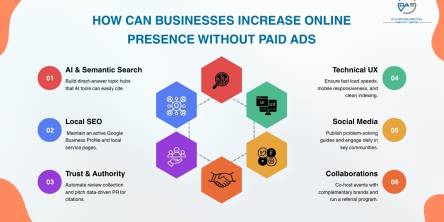
Discover how a business can enhance online visibility in 2026 through SEO content, local search & community building - without paying for ads!

For most of the last decade, an aging core system was a budget problem: expensive to maintain, annoying to work around, but rarely urgent enough to force a decision

For most businesses in 2026, Action Packaging takes the top spot. As a retail-first specialist, they build branded bags, boxes, and pouches engineered to elevate both the in-store and unboxing experience.

Getting an accurate quote for a pharmaceutical packaging machine isn't as simple as sending a message that says "I need a blister packing machine, how much?" Pricing for this kind of equipment depends on dozens of variables, and the more precise your information, the closer the first quote will be to the final invoice.

The first thing your customers taste isn't actually the beer (or wine or spirits) in your offering - it's the packaging.