

What Homeowners Should Know About Controlling and Programming Electric Heating
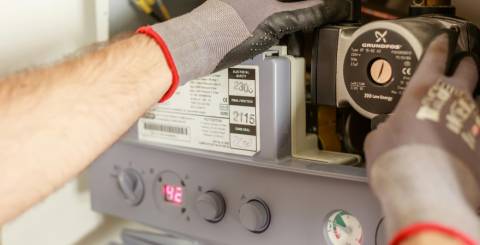
Managing electric heating systems requires an understanding of their components and effective control strategies. Prior to diving into programming tips and the benefits of modern systems, it is important to highlight that an electric radiator can be an integral part of a home's heating solution. The proper use and control of such devices are vital for improved energy efficiency and maintaining comfortable living conditions throughout the year.
Understanding the Basics of Electric Heating
Electric heating works by turning electricity directly into heat to warm up your home or office. A big difference compared to gas or oil systems is that electric heating doesn't need to burn fuel, which generally makes it a cleaner and often more eco-friendly choice.
When you think about electric heating setups, common parts you might find include things like electric radiators, electric boilers, underfloor heating, and heat pumps. Electric radiators are super popular because they're relatively easy to install and don't usually require major changes to your home. You can find them in all sorts of sizes, styles, and heating strengths, so there's usually one that fits just right for any room.
Electric boilers are often used when you need both central heating and hot water. Heat pumps work in a slightly different way – they grab heat from either the air or the ground outside and move it inside to warm things up, making them a very efficient option.
Learning how these different parts function together helps homeowners make smart choices when picking out or upgrading their heating systems. It's really important to choose the right size and type of equipment to make sure it runs well and doesn't waste energy.
The Importance of Energy Efficiency
Homeowners are increasingly focused on energy efficiency, driven by higher energy bills and a greater concern for the environment. Electric heating systems stand out because they're so efficient. Many of these heaters can turn nearly all the electricity they use close to 100% into heat, meaning very little energy goes to waste in the process.
But it's not just about the heater. How well your home is insulated, how you set your thermostat, and using smart programming all make a big difference in cutting down energy loss. If a house isn't well-insulated, it can lose heat quickly, making the heating system work harder and use more electricity. By beefing up insulation and sealing up drafts, homeowners can really boost how well their heating performs.
Plus, many electric systems let you heat different rooms separately. This way, you only use energy in the areas and at the times you actually need it, which cuts down on waste and helps lower those monthly utility bills.
Programming Your Electric Heating System
Programming is a really effective way for homeowners to manage how much energy they use. Nowadays, many electric heating systems come with programmable thermostats that let you set exact schedules. Instead of keeping the heat running all day, you can adjust it to fit your daily habits.
For instance, you can lower the heat when everyone's sleeping or when the house is empty. Then, the system can automatically warm things up shortly before people wake up or get back home. This way, you stay comfortable without wasting energy.
Lots of thermostats also let you set schedules for the whole week, so you can have different plans for weekdays and weekends. This flexibility makes sure your heating fits your lifestyle perfectly. Even small changes, like turning the temperature down just one or two degrees, can lead to noticeable savings over time, and you won't even notice the difference in comfort.
Smart Technology and Home Integration
The integration of smart technology has transformed how electric heating systems are controlled. Smart thermostats and Wi-Fi-enabled radiators allow homeowners to manage heating remotely through mobile apps. This feature is especially useful if plans change unexpectedly or if someone forgets to adjust the heating before leaving home.
Some advanced systems can analyze user behavior and automatically optimize heating schedules. For instance, they may detect when rooms are frequently occupied and adjust heating patterns accordingly. Others use geolocation features to detect when homeowners are approaching the house and prepare the temperature in advance.
Integration with broader smart home ecosystems further enhances convenience. Electric heating systems can work alongside voice assistants, smart sensors, and automated blinds to create a coordinated environment that balances comfort and efficiency. These intelligent features not only simplify daily life but also contribute to reduced energy consumption.
Maintenance and Troubleshooting
Electric heating systems usually need less upkeep than older types. They have fewer parts that can break, and you don't have to worry about storing any fuel. Still, it's smart to get them checked out regularly. This helps keep them running efficiently and makes the system last longer.
Homeowners should definitely give their radiators a good clean every so often to stop dust from piling up, as that can really cut down on how much heat they put out. It's also wise to double-check the thermostat settings and make sure any smart system software is up to date that can stop performance issues before they start. If something isn't working right, sometimes simple fixes like checking the power or resetting the system can sort it out.
Getting a professional to inspect everything once a year is a good idea, too. This makes sure all the electrical parts are in good shape. Keeping up with maintenance helps avoid sudden breakdowns, especially during the cold months when having reliable heat is really crucial.
In conclusion, understanding how to effectively control and program your electric heating system can significantly enhance comfort and efficiency in your home. Emphasising energy efficiency, utilising smart technology, and conducting regular maintenance can lead to improved performance and lower utility costs. As electric heating technology continues to advance, the benefits for environmentally conscious homeowners are set to expand even further.
Similar Articles

Running out of room? Happens to almost everyone eventually. Garages fill up, closets overflow, and suddenly the lawnmower is living next to the holiday decorations in some awkward standoff.
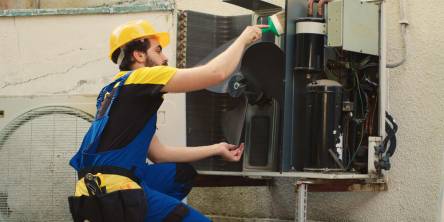
Heating and cooling equipment affect more than the temperature on the thermostat. It influences comfort between rooms, humidity, airflow, and the condition of the air as it moves through the home.

The key to a minimalist living room is restraint, but that's not enough to make a room feel finis

Rectification of exterior cladding may be required during the lifetime of a building for several reasons: to replace non-compliant cladding/combustible panels, to repair damage, to improve energy efficiency, or to modernise an older building.

A tunnel greenhouse is designed to provide years of growing space, but not every part of the structure has the same lifespan.

Australian hardwood presents a very different challenge from the lighter timber commonly used in many parts of the northern hemisphere.

Why Do Concrete Driveways Turn Orange After Summer Rain? Learn the causes—rust, minerals, irrigation—and how to clean and prevent stains.

DIY mistakes can quickly turn a money-saving project into an expensive repair. Learn how better planning, the right tools and knowing when to call a professional can help you avoid costly setbacks.
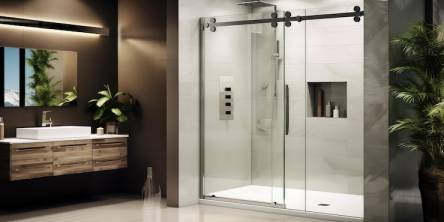
Modern bathrooms have evolved from purely functional spaces into relaxing retreats that balance comfort, aesthetics, and practicality.