

Understanding the Relationship Between Corporations and ESG
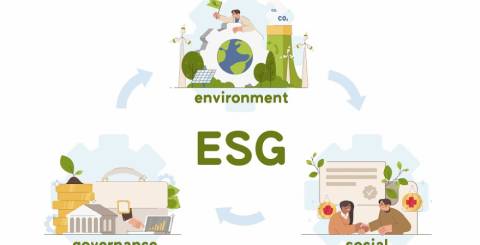
ESG, while not new, has become an increasingly important concern in the current business world. And it is not just about investors now. All stakeholders are starting to look at the concept as something that is here to stay, as opposed to being a fad. And this is in part because of the growing awareness around sustainability.
But if you are just hearing about ESG or do not know much about it, you might be wondering what all the fuss around it is about. So, what exactly is ESG? And what is its impact on businesses today?
Here is a deeper look at the relationship between corporations and ESG:
What Is ESG?
ESG is an acronym that stands for Environmental, Social, and Governance. By definition, it is a holistic measure of a corporation and business impact on the environment as well as society. ESG as a concept is not really new, but rather a framework for socially responsible investing that has recently evolved and gone mainstream. However, the Global Compact officially coined the term ESG in 2004.
Basically, ESG promotes impact investing. That is, making investments that go beyond giving your good financial returns and actually make a positive impact on the environment and society. There are different ESG metrics used to rank corporations, with all considering a company’s performance on all three fronts.
Corporations and ESG: What Are the Benefits of ESG in Business?
So, now you know what ESG is. The question is, how does it relate to business? In recent years, ESG has become more than just an investor concern. Today, more corporations are actually considering ESG impact in their core strategy. And for good reasons.
Top among these reasons is that more investors are waking up to the fact that their money actually has a say in how companies run business. More specifically, they can drive action with regard to the environment, corporate governance, and community responsibility by putting their money into the right investments. So, companies wanting to keep attracting investors must adjust to this changing investor mindset.
Beyond investors, customers, too, are pushing for corporate responsibility when it comes to the environment and society. More people today are keen on spending their money buying from brands that actually care about the impact they are making in the world.
To top it off, top-skilled workers are looking at more than just the pay slip when assessing a potential employer. That means for businesses to be competitive in the employment market, they have to care about the same things that this sought-after talent is concerned about.
Overall, it is in the interest of businesses to incorporate ESG in their strategies now rather than later, as government regulations, too, are also supporting the shift towards sustainability. In fact, a corporation’s ability to keep up might influence its future survival and success.
How Corporations Can Improve Their ESG Rating?
Now that you know just how important ESG is to corporate operation, how can you improve your ESG performance as a business? There are some strategies you can adopt to help you move up the ESG scale and actually rank among the most sustainable companies in your niche.
Let’s cover some of them:
Do your research to determine what ESG factors are most relevant to your business and impact your stakeholders the most.
Create clear goals and desired targets to boost your performance based on your identified factors.
Start working on and implementing policies and actions that lead you closer to your set goals and targets.
Track your ESG progress against your goals and report the same to your stakeholders.
Finally, engage with your stakeholders and practice more transparency about your efforts.
ESG & Business Are More Intertwined Now Than Ever
ESG has, without a doubt, become part of how corporations conduct their operations. And it is not just the giant corporations. ESG is affecting how small and medium businesses function too. If not for their desire to make a difference, companies have to incorporate ESG in their strategy to be in good standing with stakeholders. That is investors, customers, employees, and even regulators. Soon, corporations that prioritize ESG factors will be the ones that survive the rather competitive and somewhat unpredictable world of business.
Similar Articles
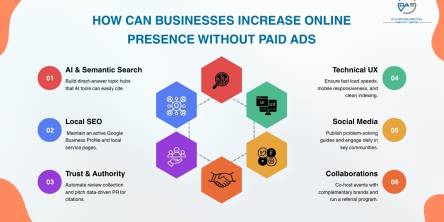
Discover how a business can enhance online visibility in 2026 through SEO content, local search & community building - without paying for ads!
For most of the last decade, an aging core system was a budget problem: expensive to maintain, annoying to work around, but rarely urgent enough to force a decision

For most businesses in 2026, Action Packaging takes the top spot. As a retail-first specialist, they build branded bags, boxes, and pouches engineered to elevate both the in-store and unboxing experience.

Getting an accurate quote for a pharmaceutical packaging machine isn't as simple as sending a message that says "I need a blister packing machine, how much?" Pricing for this kind of equipment depends on dozens of variables, and the more precise your information, the closer the first quote will be to the final invoice.

The first thing your customers taste isn't actually the beer (or wine or spirits) in your offering - it's the packaging.

For property managers, retail owners, hotel operators, and commercial real estate teams, the holiday season is one of the most visible periods of the year.

Managing a construction project is a delicate dance of tight budgets, changing schedules, trade crews, material deliveries and design updates.
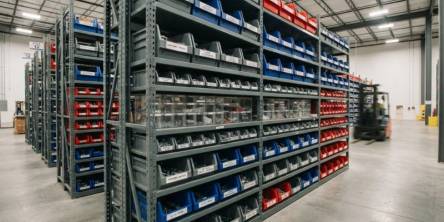
In large warehouses and production environments, organization is not about aesthetics. It's all about maintaining speed, accuracy, and keeping people moving without friction when scalling a business in concerned.

Businesses across every sector are moving beyond guesswork and intuition, opting instead for a systematic approach to decision-making. Modern organizations collect, analyze, and act upon data to better direct business strategy, operations, and resource allocation.