

Ultimate Material Guide For Comfort And Durable Wrist Rests
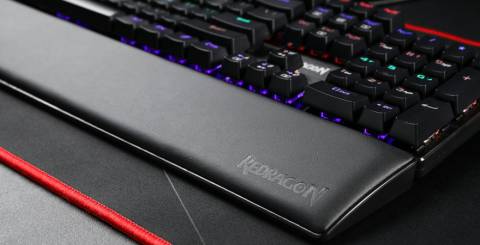
If you've ever felt that dull ache creeping through your wrists after hours at the keyboard, you know the frustration all too well. Whether you're grinding through a workday of emails and spreadsheets or deep into an intense gaming session, wrist strain is the unwelcome companion that chips away at your comfort and productivity. A wrist rest seems like an obvious fix—but not all wrist rests deliver equal relief. The secret separating a truly effective wrist rest from a disappointing one often comes down to a single factor: the material it's made from.
Material choice dictates everything—how soft or firm the support feels against your skin, how well it holds up after months of daily use, and how easily you can keep it clean. In this guide, we'll break down the most popular wrist rest materials on the market, from memory foam and gel to real leather and silicone. You'll walk away understanding exactly which material aligns with your comfort needs, lifestyle, and budget, so you can make a purchase that genuinely protects your wrists for the long haul.
Why Your Wrist Rest Material Matters More Than You Think
When most people shop for a wrist rest, they focus on size, shape, or brand recognition. But the material beneath your wrists is doing the real ergonomic heavy lifting. It determines how effectively pressure gets distributed across the delicate structures of your wrist—the tendons, nerves, and blood vessels that are vulnerable to repetitive strain. A material that's too firm creates concentrated pressure points, while one that's too soft lets your wrists sink until they're essentially unsupported.
Beyond pressure distribution, material governs airflow against your skin. Spend eight hours resting on a non-breathable surface, and you'll notice sweat buildup that makes the experience uncomfortable and unhygienic. The right material manages moisture and temperature so you barely notice the rest is there. Then there's the longevity question—some materials compress permanently within months, while others maintain their structural integrity for years. Cleaning matters too; porous materials trap oils and bacteria, while non-porous options wipe clean in seconds. As you evaluate options, keep four criteria front of mind: comfort during extended use, durability under daily pressure, maintenance demands, and overall value for your budget. With these benchmarks established, let's examine how each material stacks up in practice.
Breaking Down The Best Wrist Rest Materials: A Detailed Comparison
Memory Foam: The Plush, Adaptive Standard
Memory foam has earned its reputation as the go-to wrist rest material for good reason. Originally developed by NASA for seat cushioning, this viscoelastic polyurethane responds to your body heat and pressure, molding precisely to the contours of your wrist. The result is pressure relief that distributes weight evenly rather than concentrating it on bony prominences. For marathon typing sessions or extended gaming, this conforming behavior reduces the fatigue that builds when your wrists press against a rigid surface.
The comfort ceiling with memory foam is high, but longevity can be a concern. Lower-density foams tend to flatten permanently after several months of daily use, losing the responsive bounce that made them effective in the first place. Higher-density options resist this compression better but may feel firmer initially. Cleaning requires some care—most quality memory foam wrist rests come with removable, washable covers, while the foam itself should only be spot-cleaned and air-dried to prevent moisture damage. Despite these maintenance considerations, memory foam remains the most widely available option on the market, offering an accessible entry point for anyone seeking immediate ergonomic improvement.
Read more: Best Remote Access Tools for System Administrators
Gel-Filled Cushions: Cool, Dense, and Supportive
Gel wrist rests take a fundamentally different approach to support. Rather than conforming around your wrist like foam, gel provides a denser, more resistant surface that pushes back with consistent firmness. The standout characteristic is the cool-to-the-touch sensation—gel naturally dissipates heat rather than trapping it, making these rests particularly appealing for users in warm environments or those whose hands run hot during intense work sessions.
Unlike memory foam's slow adaptive response, gel redistributes under pressure almost instantly and returns to its original shape the moment you lift your wrists. This means the support profile stays consistent whether you've been resting for five seconds or five hours. Durability is generally strong, though gel-filled designs carry a vulnerability: punctures or tears in the outer casing can cause leaks that render the rest unusable. The non-porous exterior surface, however, makes daily cleaning effortless—a quick wipe with a damp cloth removes oils and debris. Many manufacturers now combine gel layers with foam bases in hybrid designs, attempting to capture gel's cooling properties alongside foam's deeper cushioning.
Real Leather: The Ultimate Premium Wrist Rest Experience
For users who view their workspace as an extension of their personal style, real leather represents the pinnacle of wrist rest craftsmanship. Full-grain or top-grain leather offers something no synthetic material can replicate: it develops character over time. The patina that forms through months of use actually enhances the material's appearance and suppleness, meaning a leather wrist rest looks and feels better at year three than it did on day one.
The initial feel of leather can be firm—even stiff—which surprises buyers expecting immediate plush comfort. However, the break-in period rewards patience. As the leather softens and conforms to your particular wrist shape, it creates a personalized support surface. Durability is exceptional when properly maintained; quality leather resists surface wear far longer than fabric or foam alternatives. The trade-off comes in care requirements and cost. Leather needs periodic conditioning to prevent drying and cracking, should be kept away from excessive moisture, and commands a significantly higher price than other materials. For those willing to invest, though, a leather wrist rest becomes a lasting workspace companion rather than a disposable accessory.
Fabric & Microfiber: Breathable and Versatile
Fabric-covered wrist rests prioritize breathability above all else. Woven textiles and microfiber surfaces allow air to circulate freely, preventing the sticky, trapped-heat sensation that plagues non-porous materials during long sessions. The texture variety is extensive—from smooth lycra blends to plush velvet-like microfibers—giving users control over the tactile experience against their skin. This breathability makes fabric particularly popular in gaming-oriented designs where players may spend hours with minimal breaks.
The comfort advantage comes with a maintenance caveat. Fabric is inherently porous, meaning it absorbs skin oils, sweat, and ambient dust over time. Stains set quickly and can be difficult to remove without a machine-washable removable cover. Users in environments prone to spills or snacking at the desk will find fabric less forgiving than wipeable alternatives. That said, many modern fabric wrist rests incorporate stain-resistant treatments or removable sleeves that address these concerns while preserving the material's natural ventilation properties.
Silicone & TPE: The Modern, Easy-to-Clean Contenders
Silicone and thermoplastic elastomer (TPE) represent the pragmatist's choice in wrist rest materials. Their defining advantage is near-indestructible cleanability—these non-porous, waterproof surfaces resist staining completely and clean up with nothing more than soap and water. For shared workstations, medical environments, or anyone who values hygiene above all else, this characteristic alone can be decisive.
The tactile experience differs notably from foam or fabric. Silicone offers a smooth, slightly grippy surface that prevents your wrists from sliding during use, which some users find reassuring and others find less natural than softer materials. Comfort-wise, silicone and TPE lack the plush, sinking-in sensation of memory foam—they provide support through resilient firmness rather than adaptive cushioning. Durability is outstanding; these materials resist compression, UV degradation, and chemical exposure without deteriorating. They won't puncture like gel or flatten like foam, making them the low-maintenance workhorse option for users who want reliable performance without fussing over care routines.
Choosing for Comfort & Longevity: Matching Materials to Your Needs
Now that you understand what each material brings to the table, the real question becomes: which one fits your specific situation? The answer depends entirely on what you prioritize most in your daily workflow and how much effort you're willing to invest in upkeep.
If maximum durability and luxury top your list, real leather is the clear winner. It outlasts every other material on this list when properly cared for, and it rewards long-term ownership with improved aesthetics and comfort. Professionals who want their workspace to reflect quality and don't mind periodic conditioning will find leather delivers unmatched value over its lifespan. For those focused on typing strain prevention and a plush feel that cradles tired wrists, memory foam remains the strongest recommendation. Its adaptive contouring directly addresses the pressure buildup that causes numbness and fatigue during marathon keyboard sessions—just opt for higher-density versions if you need the support to last beyond a year of heavy use.
Users who prioritize the easiest possible maintenance should gravitate toward silicone or TPE. These materials demand virtually nothing from you—no special cleaners, no removable covers to wash, no worry about spills ruining your investment. They're ideal for shared desks, messy environments, or anyone who simply refuses to add "clean wrist rest" to their to-do list. Gamers who battle warm hands and long sessions without breaks will benefit most from gel's cooling properties or fabric's superior breathability, depending on whether they prefer firmer resistance or softer texture. Brands like MAMBASNAKE have explored various material combinations in their computer accessories lineup, reflecting how the industry continues to experiment with hybrid approaches to address different user preferences. And budget-conscious buyers shouldn't overlook fabric-covered foam options, which deliver solid comfort at accessible price points while offering replaceable covers that extend usable life. The key is honest self-assessment—identify your non-negotiable priority, then let that single factor guide your material choice rather than chasing a compromise that satisfies nothing fully.
Your Practical Guide to Selection and Care
Turning knowledge into action requires a clear process. Start by assessing your primary activity—office workers typing eight hours daily need adaptive pressure relief more than gamers who want cooling and quick recovery between rounds. Next, determine your single non-negotiable priority from the four core criteria: comfort, durability, easy cleaning, or budget. With that priority locked in, revisit the material comparison above and identify which option dominates in your chosen category. Finally, consider your workspace aesthetic—a minimalist setup pairs naturally with sleek silicone or leather, while a cozy home office might welcome plush fabric or memory foam textures.
Maintenance Tips for Keeping Wrist Rests Clean
Each material demands a different care approach to maximize its lifespan. For memory foam, remove the fabric cover weekly for machine washing and spot-clean the foam itself with a lightly damp cloth, allowing it to air-dry completely before reassembling. Gel and silicone surfaces need only a quick wipe with a cloth dampened with mild soap and water after each session or whenever oils accumulate. Leather requires conditioning every two to three months with a dedicated leather balm—apply a thin layer, let it absorb overnight, then buff gently to prevent drying and cracking. Fabric and microfiber covers should be machine-washed on a gentle cycle every one to two weeks, or immediately after spills, using cold water to prevent shrinkage. Across all materials, avoid harsh chemical cleaners that can degrade surfaces, and never submerge foam or leather in water. Consistent, material-appropriate maintenance keeps your wrist rest hygienic and performing at its best far longer than neglect ever could. Understanding the best wrist rest materials and their care requirements ensures you get the most out of your investment.
Finding Your Ideal Wrist Rest Material for Long-Term Comfort
There's no single "best" wrist rest material—only the best material for your particular hands, habits, and priorities. Memory foam excels at adaptive comfort that cradles overworked wrists through long typing sessions. Real leather stands alone in premium durability, aging gracefully while other materials deteriorate. Silicone and TPE win decisively for anyone who values effortless hygiene and zero-maintenance ownership. Gel serves those battling heat buildup, while fabric delivers breathability that keeps skin comfortable during marathon gaming sessions.
What matters most is recognizing that your wrist rest material is not a trivial detail—it's a daily investment in your physical health and sustained productivity. The wrong choice leads to discomfort you'll tolerate until it becomes pain you can't ignore. The right choice disappears beneath your wrists, quietly doing its job for months or years without complaint. Use this guide as your checklist before your next purchase: identify your priority, match it to the material that dominates in that category, and commit to the care routine that keeps it performing. Your wrists will thank you every single day.
Similar Articles

Most developers spend several hours every day looking at lines of code. Whether you're building a website, fixing bugs, creating mobile apps, or learning your first programming language, your coding environment plays a big role in your comfort and productivity

Discover the best remote access tools for system administrators to manage servers, troubleshoot issues, and secure IT environments remotely.

The financial services industry is entering an era where Finance AI Agents are revolutionizing how institutions operate.

The adoption of cloud technology has transformed the way businesses and individuals manage data.

Think back to the time when you had the biggest career choice of whether to take the corner office or the window cubicle? Those days are long gone

Custom CRM design is gaining traction because it’s built around your needs and the way your team works

PHP remains one of the most widely used server-side scripting languages in the world, powering millions of websites and web applications.

Do you tend to overshare on social media? Learn how to protect yourself by limiting what you post online and using dark web monitoring to track leaked data.

Ransomware attacks play a major part in all cybercrime attempts. Companies worldwide lost over 9 trillion USD to cybercriminals this way. How to protect yourself?