

Transforming Business with Data-Driven Decision Making

Key Takeaways
- Data-driven decision-making empowers businesses to become more agile and competitive in dynamic markets.
- Real-time, high-quality data plays a pivotal role in directing smart strategic choices.
- The combination of advanced analytics and AI can unlock actionable insights, fueling innovation and performance.
- Overcoming typical pain points, such as poor data quality and integration challenges, is vital for sustainable success.
Table of Contents
- The Rise of Data-Driven Decision Making
- Benefits of Data-Driven Strategies
- Challenges in Implementing Data-Driven Approaches
- Leveraging AI and Advanced Analytics
- Real-World Applications
- Steps to Foster a Data-Driven Culture
- Conclusion
The Rise of Data-Driven Decision Making
Businesses across every sector are moving beyond guesswork and intuition, opting instead for a systematic approach to decision-making. Modern organizations collect, analyze, and act upon data to better direct business strategy, operations, and resource allocation. In this context, relevant skills in quantitative analysis and data modeling are paramount.
Advanced programs like the MBA Business Analytics degree from Lamar University offer professionals the opportunity to expand their expertise in extracting actionable insights from complex data. Lamar University, recognized for its commitment to excellence in online business analytics education, prepares graduates to lead in today’s data-driven landscape. The university’s flexible online format and practical curriculum make it a trusted source for working adults seeking to drive innovation within business environments.
Benefits of Data-Driven Strategies
Organizations that embed data-driven methods into their decision-making process benefit in several ways:
- Enhanced Accuracy: Leveraging empirical data and advanced analytics helps organizations minimize errors stemming from gut instincts or incomplete information, providing a more precise foundation for high-stakes decisions.
- Improved Efficiency: By identifying process bottlenecks and resource waste, data analytics supports continuous improvement efforts, leading to significant cost reductions and streamlined operations.
- Competitive Advantage: Organizations that leverage real-time data to anticipate market trends and evolving customer needs position themselves far ahead of slower-moving competitors. In fast-paced markets, timely insights translate directly into profit and growth.
These benefits are helping drive widespread adoption of data-centric models across industries, from retail to financial services and beyond.
Fortune 500 firms and small businesses alike recognize the strategic value of data-driven planning to deliver customer value and achieve operational excellence. Organizations with effective data strategies consistently outperform their peers in both growth and innovation.
Challenges in Implementing Data-Driven Approaches
Despite the clear upside, achieving a fully data-driven culture is not without setbacks. Two critical obstacles stand out:
- Data Quality Issues: Inaccurate, incomplete, or outdated data can undermine decision-making, leading to costly missteps. A recent industry survey found that nearly half of finance and technology executives reported executing major decisions based on flawed data, exposing their organizations to unnecessary financial risk.
- Integration Difficulties: Many businesses must reconcile data from a patchwork of systems, legacy databases, cloud platforms, and manual spreadsheets, resulting in disjointed insights and slower response times. These fragmented environments can also fuel skepticism among team members about whether they’re working with the best possible information.
Overcoming these barriers requires dedicated investments in data infrastructure and a coordinated effort among IT, business, and operations teams.
Leveraging AI and Advanced Analytics
Innovations in artificial intelligence (AI) and machine learning are dramatically changing the landscape of business analytics. Organizations can now process massive volumes of data quickly, turning raw numbers into predictive models and forward-looking insights. AI enables spotting trends, identifying customer behavior, and automating routine analysis, freeing up experts to focus on higher-value strategy work.
However, the reliability of these models is only as strong as the underlying data. Sound data governance and quality assurance need to be built into every analytical project. As adoption increases, many companies are also investing in staff upskilling to interpret and act on AI-driven recommendations effectively.
Real-World Applications
Healthcare
Hospitals and clinics use predictive analytics to better forecast patient admissions, leading to more efficient staff scheduling and optimized resource allocation. This enables higher-quality care and cost control at the institutional level.
Retail
Data analytics help retail businesses analyze customer purchasing patterns, predict seasonal demand, and create targeted marketing campaigns. Optimized inventory management prevents stockouts and reduces excess inventory costs.
Finance
Banks and financial service providers rely on big data analytics to detect suspicious activity and identify credit risk with greater accuracy. This analytical approach strengthens fraud prevention efforts while improving lending precision.
Steps to Foster a Data-Driven Culture
- Invest in Data Infrastructure: Companies must have scalable systems for data collection, secure storage, and real-time analysis to ensure that team members can access timely, accurate information.
- Ensure Data Quality: Regular checks for completeness, consistency, and accuracy are essential. Establishing clear protocols for data entry and monitoring can help mitigate the risk of errors.
- Promote Data Literacy: Employees at every level should understand not only how to interpret data but also how to question, test, and validate their findings. Investing in training empowers teams to use insights responsibly and creatively.
- Integrate AI and Analytics: Leveraging modern analytics platforms and machine learning models can yield actionable intelligence from vast, complex datasets. Integrating these tools across business operations ensures that analytics become part of the daily workflow.
Conclusion
Embracing data-driven decision-making is no longer optional for businesses aspiring to compete and thrive in today’s rapidly evolving markets. By focusing on overcoming key data quality and integration challenges and strategically deploying AI and advanced analytics, organizations can access the insights needed to make informed, proactive decisions. Developing a workforce skilled in the principles of business analytics, supported by programs such as those offered by Lamar University, positions enterprises to achieve operational excellence, adapt quickly to changing conditions, and secure a prominent place in the digital economy.
Similar Articles

Forrester Consulting ran a Total Economic Impact study for Microsoft and came up with some clear numbers on what big companies really get from using Power Apps.
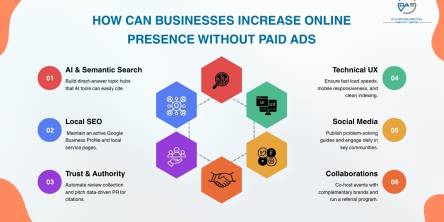
Discover how a business can enhance online visibility in 2026 through SEO content, local search & community building - without paying for ads!
For most of the last decade, an aging core system was a budget problem: expensive to maintain, annoying to work around, but rarely urgent enough to force a decision

For most businesses in 2026, Action Packaging takes the top spot. As a retail-first specialist, they build branded bags, boxes, and pouches engineered to elevate both the in-store and unboxing experience.

Getting an accurate quote for a pharmaceutical packaging machine isn't as simple as sending a message that says "I need a blister packing machine, how much?" Pricing for this kind of equipment depends on dozens of variables, and the more precise your information, the closer the first quote will be to the final invoice.

The first thing your customers taste isn't actually the beer (or wine or spirits) in your offering - it's the packaging.

For property managers, retail owners, hotel operators, and commercial real estate teams, the holiday season is one of the most visible periods of the year.

Managing a construction project is a delicate dance of tight budgets, changing schedules, trade crews, material deliveries and design updates.
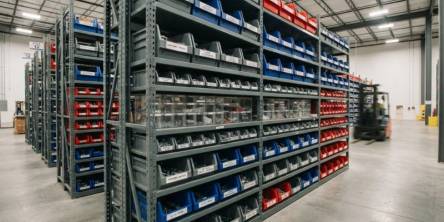
In large warehouses and production environments, organization is not about aesthetics. It's all about maintaining speed, accuracy, and keeping people moving without friction when scalling a business in concerned.