

Transform Your Recovery With Exercise Therapy Equipment
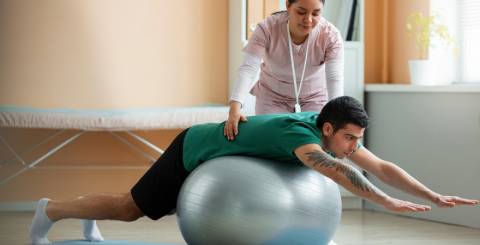
Have you ever wondered why some people bounce back from injuries faster than others? What if the secret to a speedier recovery wasn't just rest, but the right kind of movement? And could the equipment you use make all the difference in your healing journey?
If you're recovering from surgery, managing a sports injury, or dealing with chronic pain, exercise therapy equipment might just be the game-changer you've been looking for. This approach combines targeted movement with specialised tools to help your body heal more effectively than rest alone ever could. It's a method that's transforming how Australians approach rehabilitation, whether they're working with a physiotherapist or setting up their own home recovery space.
In this guide, we'll explore everything you need to know about exercise therapy equipment. From understanding the science behind why movement helps healing, to discovering the different types of equipment available, you'll walk away with practical knowledge to kickstart your recovery. We'll also cover who benefits most from these tools, how to choose the right gear for your needs, and common mistakes to avoid along the way. Ready to take control of your rehabilitation? Let's get into it.
What Is Exercise Therapy Equipment?
Understanding The Basics Of Therapeutic Exercise Tools
Exercise therapy equipment refers to a range of tools designed to support rehabilitation and recovery through controlled movement. These aren't your typical gym machines – they're specifically created to target weakened muscles, improve flexibility, and restore function after injury or surgery.
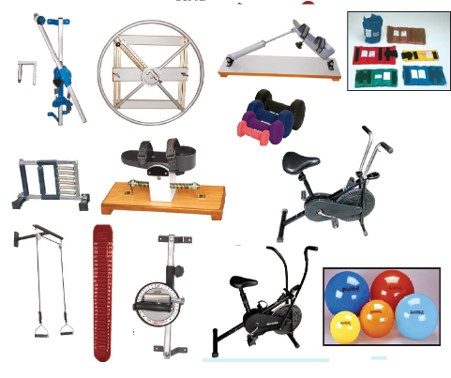
Think resistance bands, balance boards, foam rollers, and specialised rehabilitation machines. Each piece serves a unique purpose in the recovery process. Some help rebuild strength gradually, while others focus on improving coordination or releasing muscle tension.
The beauty of these tools lies in their versatility. Whether you're recovering from a knee reconstruction in Melbourne or managing back pain in Brisbane, there's equipment suited to your specific needs. Plus, many options are affordable and compact enough for home use.
How Does Exercise Therapy Differ From Traditional Physiotherapy?
While traditional physiotherapy often involves hands-on techniques like massage and manipulation, exercise therapy takes a more active approach. You're not just receiving treatment – you're participating in your own recovery through targeted movements and exercises.
This doesn't mean one approach is better than the other. In fact, they work brilliantly together. A physiotherapist might use manual therapy to release tight muscles, then prescribe specific exercises using resistance bands or balance equipment to maintain those improvements.
The key difference is empowerment. With exercise therapy equipment, you gain tools and techniques you can use independently, extending your rehabilitation beyond clinic appointments.
The Science Behind Exercise Therapy For Recovery
How Your Body Heals Through Movement
Here's something fascinating: your body is designed to heal through movement, not despite it. When you engage in controlled exercise during recovery, you're actually stimulating the healing process at a cellular level.
Movement increases blood flow to injured areas, delivering essential nutrients and oxygen that tissues need to repair themselves. It also helps flush out inflammatory substances that can slow healing. On top of that, gentle exercise maintains the strength and flexibility of surrounding muscles, preventing the secondary problems that often arise from prolonged immobility.
Your nervous system benefits too. Movement sends signals to your brain that help recalibrate pain responses and improve body awareness – crucial elements for preventing re-injury down the track.
Why Is Exercise Therapy Effective For Injury Recovery?
The effectiveness of exercise therapy comes down to progressive loading. By gradually increasing the demands on healing tissues, you're essentially training them to become stronger and more resilient than before.
Research consistently shows that patients who engage in structured exercise therapy recover faster and experience better long-term outcomes than those who rely on rest alone. This applies across the board – from ACL reconstructions to hip replacements.
What's more, exercise therapy addresses the psychological aspects of recovery. Moving your body releases endorphins, reduces anxiety about re-injury, and gives you a sense of control during what can otherwise feel like a helpless time.
Types Of Exercise Therapy Equipment You Should Know
Resistance Bands And Tubing
Resistance bands are arguably the most versatile tools in exercise therapy. These stretchy bands come in various strengths, allowing you to start light and progress as you get stronger. They're brilliant for rebuilding muscle strength after injury without putting excessive strain on joints.
Balance And Stability Equipment
Wobble boards, balance pads, and stability balls help retrain your proprioception – your body's sense of position in space. This is especially important after ankle sprains or knee injuries, where the communication between your joints and brain can become disrupted.
Foam Rollers And Myofascial Release Tools
Foam rollers have become incredibly popular for good reason. They help release tight muscles and fascia, improve flexibility, and reduce post-exercise soreness. From basic foam rollers to textured massage balls, these tools put self-treatment in your hands.
Rehabilitation Machines And Devices
For more serious injuries, specialised rehabilitation machines offer controlled movement patterns. Continuous passive motion machines, for example, gently move joints through their range without requiring muscle effort – perfect for early post-surgical recovery.
What Equipment Do Physiotherapists Use For Recovery?
Professional clinics often feature equipment you might not have at home. This includes cable machines for resistance training, parallel bars for walking rehabilitation, and electrotherapy devices that combine electrical stimulation with exercise. However, many effective tools are now available for home use at reasonable prices.
Who Can Benefit From Exercise Therapy Equipment?
Post-Surgery Recovery
Following surgery, your body needs to rebuild strength and mobility. Exercise therapy equipment allows for gentle, progressive rehabilitation that supports healing without pushing too hard too fast.
Sports Injury Rehabilitation
Athletes understand the importance of getting back to peak performance. Whether it's a hamstring strain or shoulder injury, targeted exercise therapy helps restore function and prevent future problems.
Chronic Pain Management
For those living with ongoing pain conditions, exercise therapy offers a drug-free approach to management. Regular, appropriate movement can actually reduce pain sensitivity over time.
Aged Care And Mobility Support
As we age, maintaining strength and balance becomes increasingly important. Simple equipment like resistance bands and balance boards helps older Australians stay mobile and independent.
Can Exercise Therapy Help With Arthritis?
Absolutely. While it might seem counterintuitive to move painful joints, research shows that appropriate exercise actually reduces arthritis symptoms. The key is choosing low-impact activities an suitable equipment that strengthens muscles without stressing joints.
How To Choose The Right Exercise Therapy Equipment
Assessing Your Recovery Goals
Before buying anything, get clear on what you're trying to achieve. Are you rebuilding strength after surgery? Improving balance? Managing chronic pain? Your goals will guide your equipment choices.
What Should I Look For When Buying Rehabilitation Equipment?
Quality matters when it comes to rehabilitation. Look for equipment from reputable brands with good reviews. Check weight limits, durability, and whether the product suits your specific condition. When in doubt, ask your physiotherapist for recommendations.
Professional-Grade vs Home-Use Equipment
While professional equipment is often superior, excellent home-use options exist at fraction of the cost. For most people, a basic setup of resistance bands, a foam roller, and perhaps a balance board provides everything needed for effective home rehabilitation.
Setting Up Your Home Exercise Therapy Space
Essential Equipment For Beginners
Starting out? Keep it simple. A set of resistance bands in varying strengths, a foam roller, and a yoga mat create a solid foundation. You can always add more equipment as your needs evolve.
Common Mistakes To Avoid During Exercise Therapy
The most common error? Doing too much too soon. Enthusiasm is great, but pushing beyond your current capacity can set recovery back weeks. Progress gradually and listen to your body's signals.
Another mistake is poor form. Using equipment incorrectly reduces effectiveness and risks injury. Take time to learn proper techniques, ideally with guidance from a qualified professional.
Is It Safe To Use Exercise Therapy Equipment Without Supervision?
For basic equipment and mild conditions, self-directed exercise therapy is generally safe. However, if you're recovering from major surgery or dealing with complex injuries, professional guidance is essential – at least initially. Once you've learned correct techniques, you can confidently continue at home.
Maximising Your Results: Tips From The Experts
Consistency trumps intensity every time. Short, regular sessions beat occasional marathon workouts. Aim for daily movement, even if it's just 10-15 minutes.
Track your progress too. Keeping a simple journal helps you notice improvements and stay motivated. Finally, combine your equipment work with other healthy habits – good sleep, proper nutrition, and stress management all support recovery.
Taking The Next Step In Your Recovery Journey
Exercise therapy equipment genuinely has the power to transform your recovery experience. By understanding the science behind movement-based healing and choosing the right tools for your needs, you're setting yourself up for the best possible outcomes.
Remember, recovery isn't a race. Whether you're two weeks post-surgery or managing a condition you've lived with for years, the principles remain the same: start where you are, progress gradually, and stay consistent. The equipment we've discussed – from resistance bands to balance boards – simply makes this process more effective and achievable.
So, what's your next move? Consider booking a consultation with a physiotherapist to assess your specific needs or start building your home exercise therapy setup with a few basic pieces. Your body has an incredible capacity to heal when given the right support. With exercise therapy equipment in your corner, you're giving it exactly that. Here's to your recovery journey – you've got this.
Similar Articles

In recent years, home workouts have become the go-to solution for fitness enthusiasts juggling busy schedules, such as office, personal commitments, or avoiding crowded gyms
The treadmill is the best-known fitness equipment on the market these days. It offers a lot of benefits from both a health and versatility perspective.

One would be living under a rock if claims to be unaware of the basic five elements of life. Each one of us, even though mildly, is acquainted with the fact that the whole universe is made up of the 5 elements namely - Earth, water, fire, air, space. Or in the language of Ayurveda - Prithvi, Ap, tej, vayu, and akash.
Have you heard the term ‘Olympic weightlifting’ and ever wondered how is it different from normal weight lifting? The US Olympic committee has governed various rules and guidelines for this sport and named it competitive weightlifting
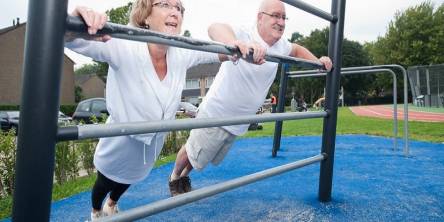
It’s essential to mention that the human physical condition hits the downward trajectory past their fifties and, in a few cases, the sixties. This is when physical fitness and routine exercising becomes extremely necessary
Blood circulation can even take place in young people and the consequences of this great health issue can be very dangerous. While you are young, the symptoms might not show up. They tend to show up when you are older and when there is almost no time for the remedies.
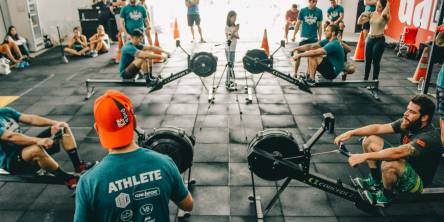
Things you used to do in everyday life directly affect your efficiency during sports. Let’s find out about five habits that can negatively affect your results and even increase the risk of injuries.
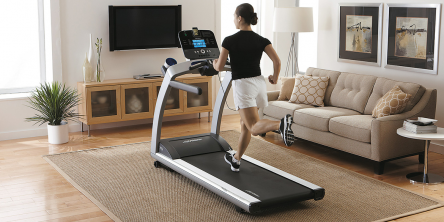
A treadmill gives lots of health and exercise benefits to the consumer. Regular treadmill runners get to enjoy an increased level of stamina, improved endurance, higher strength alongside an all-around cardiovascular disease. These benefits lead to considerably increased fitness.
Setting up your own gym is an expensive undertaking. The fitness equipment costs thousands of bucks. A commercial fitness center can be a hefty investment but the results can be fruitful if a good count of customers is attracted. However, the first thing that customers look for in gym is whether the equipment is maintained or not.