

The Top Reason Why Collisions Happen on the Road

The Widespread Problem of Distracted Driving
Although there are several reasons for traffic accidents, it is evident that driving while distracted is the main offender. Research consistently shows that the most common cause of a collision is driver inattention. Every year, distracted driving contributes to thousands of preventable injuries and fatalities. In the United States alone, the National Highway Traffic Safety Administration reported over 3,500 deaths linked to distracted driving in 2021. This troubling figure highlights the ongoing challenge of keeping drivers’ focus where it needs to be: on the road.
Distracted driving isn’t limited to any specific age, profession, or location. People of all backgrounds are vulnerable to letting their attention wander while driving, whether due to the demands of modern technology or everyday multitasking. Safety experts warn that as long as distractions persist, the risk of collisions will remain high.
Read more: What Do You Need To Know About Collision Repairs?
Types of Distractions Behind the Wheel
Distractions can be classified into three main categories: visual, manual, and cognitive. Visual distractions draw the driver’s eyes away from the road, manual distractions cause hands to leave the steering wheel, and cognitive distractions occupy the mind with thoughts unrelated to driving. It’s common for these distractions to overlap; for instance, texting combines all three. Everyday activities like eating, adjusting climate controls, or checking a GPS also fall within these categories. Recognizing how ordinary tasks can become dangerous distractions is essential in improving road safety.
How Mobile Devices Contribute to Collisions
Mobile phones and other digital devices are significant contributors to distracted driving incidents. According to the Centers for Disease Control and Prevention, younger drivers are especially at risk, with many admitting to checking their phones for texts, navigation, or social media notifications while behind the wheel. Research indicates that reading or sending a text diverts attention for approximately five seconds—a dangerous window during which a vehicle can travel the length of a football field at highway speeds. Such statistics underscore the severe consequences of interacting with mobile devices while driving.
Other Common Causes of Road Accidents
While distraction is a leading cause, other behaviors and conditions compound the risk. Speeding frequently accompanies distraction and reduces a driver’s ability to react quickly to hazards. Impaired driving—whether from alcohol, drugs, or fatigue—remains a persistent threat to roadway safety. Weather-related factors, like wet or icy roads, can catch even attentive drivers off guard, especially when combined with lapses in focus. By understanding how these causes intersect, road users are better equipped to minimize risk.
You May Also Like: What to Do After A Car Accident
Recognizing the Signs of a Distracted Driver
Detecting a distracted driver on the road is not always easy, but certain behaviors can serve as warning signs. Swerving between lanes, inconsistent speed, delayed reactions to traffic signals, and sudden braking are all red flags. Identifying these signs allows other drivers to maintain a safe distance and take proactive measures. Reporting extremely dangerous behavior to authorities helps improve everyone’s safety when possible.
Preventative Measures for Safer Roads
Preventing distracted driving starts with simple changes. Placing mobile devices out of reach, programming navigation before starting out, and refraining from eating or personal grooming while driving reduce temptation and risk. Parents and caregivers play a key role in setting good examples and discussing the realities of road dangers with young drivers. Community initiatives focused on public awareness further support adopting safer habits among all road users.
The Role of Technology and Legislation
Advancements in technology are a double-edged sword when it comes to road safety. Features like lane-keeping assist, forward-collision alerts, and hands-free calling can mitigate distractions, but infotainment systems and notifications are frequent sources of inattentiveness. Legislation making handheld device use illegal while driving, paired with educational campaigns such as those led by the National Highway Traffic Safety Administration, encourages compliance and keeps the dangers of distracted driving top-of-mind for all motorists.
Building a Culture of Attentive Driving
Developing a culture of attentiveness on the road requires consistent effort and a shared sense of responsibility. When distraction-free driving becomes the standard, every driver, passenger, and pedestrian benefits. Small actions—like voicing concerns when someone else is distracted or praising friends for safe driving habits—contribute to broader change. A collective commitment to focus and mindfulness behind the wheel is essential to reducing collisions and building safer communities for all.
Similar Articles

An electric snow blower can sit quietly for months between storms, but that downtime does not mean it is ready for work when the first snow arrives.
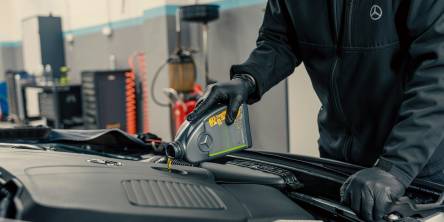
It is a known fact that commercial vehicles usually travel long distances under challenging loads. Therefore, it is necessary to ensure proper engine maintenance.

Learn how to make informed decisions for your vehicle by comparing costs, features, maintenance needs, safety, reliability, and long-term value.

Most people who end up buying a caravan or motorhome spent months thinking about it before they w

Learn how to pick the right UTV door—lower, half, full, or convertible—based on fitment, terrain, weather, and riding style.

Explore new dirt bike models, key features, and expert buying tips to choose the right ride for performance, durability, and off-road adventures.
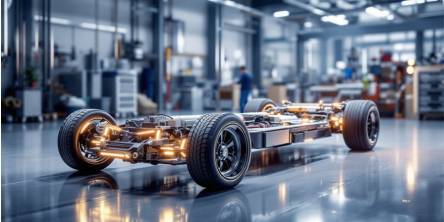
Clear, student-friendly guide to EV powertrains covering motors, batteries, inverters, and control systems for mechanical and electrical engineers.
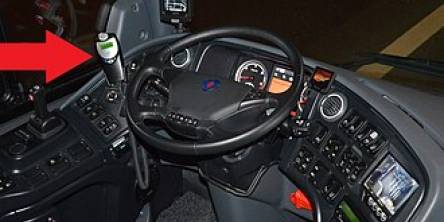
The interaction between alcohol ignition interlock devices and insurance coverage is an important consideration for those who have been mandated to install such devices.
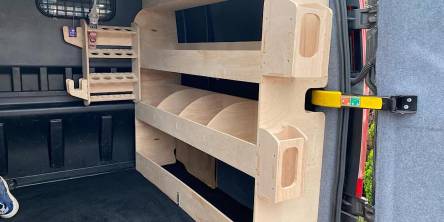
Custom van racking helps tradespeople stay organized, protect tools, and work faster. Learn how vehicle-specific systems improve efficiency.