

After a Crash: A Practical Guide to Digital Evidence, Medical Records, and Insurance Claims
Key Takeaways
- Safety and medical needs should always come before evidence collection.
- Photos, witness information, reports, receipts, and repair records help establish a timeline.
- Digital evidence may include dashcam footage, phone photos, vehicle data, messages, and nearby camera footage.
- Medical records help document symptoms, treatment, work restrictions, and recovery progress.
- Insurance claims should be supported with accurate information, not guesses or rushed statements.
- Serious injuries, disputed fault, or multiple responsible parties may warrant professional advice.
A crash can turn an ordinary day into a confusing series of decisions. The best first steps are simple: protect everyone's safety, obtain needed medical care, and preserve an accurate record of what happened. For people facing an injury claim or complex insurance questions, Amber Mosytn may be a starting point for understanding when legal guidance could be appropriate. This guide focuses on practical recordkeeping rather than fault conclusions. A clear timeline, original evidence, and complete medical documentation can make communications with insurers, medical providers, employers, and legal professionals more manageable.
Read more: 10 Different Cases an Accident Lawyer Can Handle
What To Do In The First Few Hours
Start with safety. Move out of active traffic if safe; call 911 if anyone may be injured or the scene presents a hazard; and follow instructions from emergency responders. Exchange identification and insurance details with the other driver when appropriate, but avoid arguing about fault at the roadside. As soon as practical, write down the basics: time, location, weather, traffic conditions, direction of travel, traffic signals, and what you remember immediately before impact. Short, factual notes are better than a detailed account written from memory days later.
Immediate Checklist
- Get emergency help when needed.
- Request the report or incident number.
- Collect witness names and contact information.
- Take photos only after the area is safe.
- Seek medical attention for concerning symptoms.
How To Capture Useful Scene Evidence
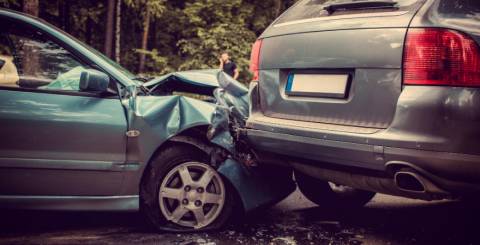
Useful photographs show the full setting, not only vehicle damage. Take wide images of vehicle positions, lanes, intersections, signs, lighting, road conditions, and nearby property. Then take closer images of damage, debris, skid marks, deployed airbags, damaged personal items, and visible injuries. Professional crash investigators document scene marks, vehicle damage, final vehicle positions, witness information, and official records because those details can help reconstruct what occurred. The same principle explains why organized, date-stamped photos can be valuable after a collision. Scene investigations often examine physical evidence alongside reports and interviews.
Digital Evidence That May Matter
Modern crashes can leave a substantial digital trail. Dashcam recordings may capture the moments before impact. Nearby homes and businesses may have security cameras. Phone photos, navigation history, rideshare receipts, call logs, and text messages may also provide useful context. Some vehicles retain event data related to safety systems or vehicle operation. Availability varies by vehicle, and access may require technical expertise or owner authorization. Preserve what you already have without altering it. Keep original image and video files, create a backup, and avoid relying on a social media upload as the only copy.
Why Medical Records Matter
Medical records help show when symptoms were reported, what providers observed, which treatment was recommended, and how recovery progressed. They can include emergency care notes, imaging results, prescriptions, therapy records, referrals, work restrictions, and itemized bills. Tell a medical provider about all symptoms, including pain, dizziness, numbness, sleep problems, headaches, or difficulty completing ordinary tasks. A person should not diagnose their own condition based on the amount of visible vehicle damage. Keep a personal journal that records appointments, symptoms, missed work, activity limits, and questions for providers.
How Insurance Claim Reviews Are Changing
Many insurers use digital tools to receive photos, estimate property damage, manage claim communications, and identify missing information. These systems may streamline routine steps, but a complete claim still depends on accurate documentation of the crash, treatment, expenses, and losses. Insurance-related consumer reports can also contain claims history and other information used in insurance decisions. Consumers who believe an insurance report contains an error may have the right to request and dispute information in that report. The insurance claims information shared through specialty reports is one reason to keep claim details accurate.
Common Mistakes To Avoid
- Guessing about speed, distance, or who caused the crash.
- Delaying medical attention despite concerning symptoms.
- Editing original photos or deleting relevant messages.
- Posting crash details or activity updates on social media.
- Failing to save work-loss records, receipts, and medical bills.
- Signing documents without understanding what information or rights they cover.
A Simple File System For Crash Records
Create one physical folder and one backed-up digital folder. Use descriptive names with dates, such as "2026-09-30 Urgent Care Visit" or "2026-10-02 Repair Estimate." Keep these categories separate:
- Crash information: reports, claim numbers, witness contacts, and insurance details.
- Photos and video: original files, camera details, and backups.
- Medical care: visit notes, bills, prescriptions, tests, and therapy records.
- Work and income: missed shifts, restrictions, pay records, and employer correspondence.
- Property damage: towing invoices, rental receipts, estimates, and repair documents.
- Communications: emails, letters, texts, and notes of phone calls.
When Legal Help May Be Useful
Not every crash requires a lawyer. However, professional guidance may be useful when fault is disputed, injuries require extended treatment, multiple vehicles are involved, a commercial vehicle is involved, or a settlement is proposed before the full medical picture is known. State laws and claim deadlines vary, so prompt local advice can be important when a serious injury or legal dispute is involved.
Common Questions After A Crash
Should I take photos before moving my vehicle?
Only if it is safe, do not remain in traffic or near fire, leaking fuel, unstable vehicles, or other hazards to collect evidence.
What if I do not feel injured right away?
Some symptoms may not be immediately noticeable. Seek medical advice if you develop pain, dizziness, confusion, weakness, numbness, or other concerning symptoms.
Can social media affect a claim?
Posts can be misunderstood or appear inconsistent with reported limitations. It is generally wiser not to discuss the crash online and not to delete existing relevant content.
Conclusion
After a crash, careful documentation can bring structure to an otherwise stressful and confusing situation. Start by prioritizing safety and obtaining appropriate medical care, then preserve original evidence such as photos, videos, witness details, and incident reports. Keep medical records, insurance correspondence, repair estimates, receipts, and proof of missed work in one organized place. Creating a simple timeline of events and noting important conversations can also help prevent details from being forgotten over time. These steps support a more accurate account of the crash and provide useful information when communicating with insurers or other professionals. Although documentation cannot undo the effects of a collision, staying organized can make the claims process easier to follow and help you address questions as they arise.
Similar Articles
An electric snow blower can sit quietly for months between storms, but that downtime does not mean it is ready for work when the first snow arrives.
It is a known fact that commercial vehicles usually travel long distances under challenging loads. Therefore, it is necessary to ensure proper engine maintenance.

Learn how to make informed decisions for your vehicle by comparing costs, features, maintenance needs, safety, reliability, and long-term value.

Most people who end up buying a caravan or motorhome spent months thinking about it before they w

Learn how to pick the right UTV door—lower, half, full, or convertible—based on fitment, terrain, weather, and riding style.

Explore new dirt bike models, key features, and expert buying tips to choose the right ride for performance, durability, and off-road adventures.

Clear, student-friendly guide to EV powertrains covering motors, batteries, inverters, and control systems for mechanical and electrical engineers.
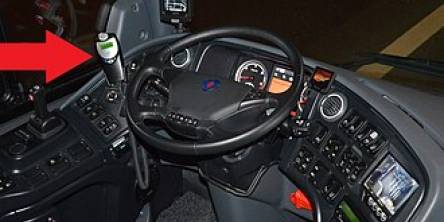
The interaction between alcohol ignition interlock devices and insurance coverage is an important consideration for those who have been mandated to install such devices.
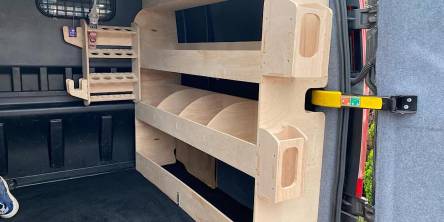
Custom van racking helps tradespeople stay organized, protect tools, and work faster. Learn how vehicle-specific systems improve efficiency.