

New Year, New You: Staying Active and Heart Healthy After 60

The start of a new year is a natural time to pause, reflect, and think about how you want to feel in the months ahead. For those over 60, a fresh start does not mean setting unrealistic resolutions or making drastic changes. Instead, it is about gentle improvements that support your health, energy, and independence.
With a positive mindset and a few practical habits, the new year can be an opportunity to move more, feel stronger, and take better care of your heart.
Start the Year by Moving a Little More
Staying active after 60 is one of the most effective ways to support overall well-being. Regular movement helps maintain mobility, improves balance, and keeps joints working smoothly. It also supports mental health, helping you feel more positive and motivated.
You do not need to follow a strict exercise plan. Walking is a brilliant place to start, whether that is a daily stroll, a walk with friends, or simply choosing to move more throughout the day. Swimming, gentle cycling, stretching, and exercise classes designed for older adults are also excellent options. The goal is consistency rather than intensity.
Build Strength and Confidence Over Time
As we age, muscle strength naturally decreases, but it can be maintained with regular use. Light strength exercises help with everyday tasks such as climbing stairs, carrying shopping, and getting up from chairs. Simple movements using your own body weight, resistance bands, or light hand weights can be done safely at home.
Balance exercises are just as important. Activities like yoga or Tai Chi can improve stability and reduce the risk of falls, helping you feel more confident in your movement as the year goes on.
Make Heart Health a Priority This Year
Looking after your heart becomes increasingly important in later life. Regular physical activity helps keep the heart strong, supports healthy blood pressure, and improves circulation. A balanced diet also plays a key role. Aim to include plenty of vegetables, fruit, whole grains, and lean protein while reducing salt and highly processed foods.
The new year is also a good time to book checks with cardiac specialists. Monitoring blood pressure, cholesterol, and blood sugar levels allows potential problems to be identified early. If you notice symptoms such as unusual tiredness, breathlessness, or chest discomfort, it is important to speak to your GP promptly.
Support Your Body With Rest and Recovery
Rest is just as important as activity. Good quality sleep helps your body recover, supports memory, and improves mood. Try to keep a regular sleep routine, get plenty of daylight during the day, and create a calm evening routine to help you unwind.
Listening to your body is key. It is fine to take rest days when needed, especially if you are increasing your activity levels. Steady progress is far more beneficial than pushing too hard.
Stay Social and Stay Motivated
The new year can feel isolating for some, particularly during colder months. Staying socially connected supports both mental and physical health. Joining a walking group, community class, or local club can give structure to your week and make staying active more enjoyable.
Sharing goals with friends or family can also help you stay motivated and accountable, even if your goal is simply to move a little more than last year.
A Fresh Start at Your Own Pace
A new year does not require perfection. Small, realistic changes can lead to meaningful improvements in how you feel. By staying active, prioritising heart health, and taking time to look after yourself, you can make this year a positive and empowering chapter.
New year, new you is not about becoming someone different. It is about giving yourself the care and attention you deserve so you can continue enjoying life with confidence and vitality.
Similar Articles

A beautiful building tells you nothing about recovery outcomes. When you tour a Private Luxury Rehab in Los Angeles, comfort is often presented before clinical care, and families may pay a deposit before asking a single hard question.

Most advice about emotions assumes the hard part is identifying them.

Healthcare is built around people, but providing good care also depends on how well an organization manages the many tasks happening around each patient.
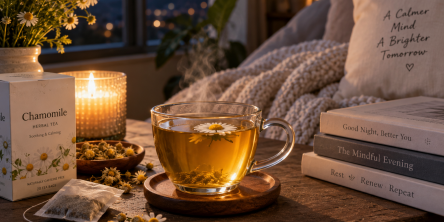
We live in an era where restorative rest is increasingly difficult to achieve. The relentless pace of contemporary work environments leaves little room for mental decompression.

Look up almost any doctor before an appointment, which is what the majority of patients now do, a
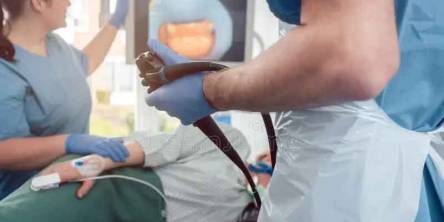
Endoscopy is a minimally invasive medical procedure that enables healthcare professionals to examine the internal organs and body cavities using a thin, flexible instrument called an endoscope.
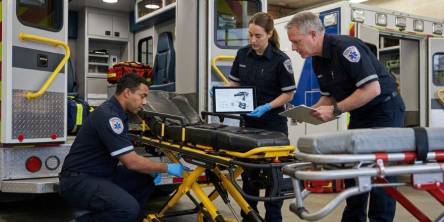
Learn how to choose the right ambulance stretcher for your fleet in 2026 by comparing safety, durability, mobility, comfort, and key features.

Look at how people around you actually watch things. Captions on. Not in a noisy train carriage, not in a shared flat at midnight, but at home, alone, on a good television, by people whose hearing is fine.

Finding the right medical daycare involves more than choosing whichever center is closest to home.