

Tea Time Traditions: Discovering the Chinese Kung Fu Tea Set Rituals
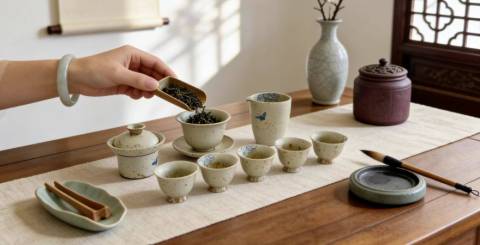
The ritual of Kung Fu Tea, originating from China's Guangdong and Fujian provinces, transcends the simple act of consuming tea. Deeply rooted in tradition and culture, Kung Fu Tea embodies an art form that perfectly combines precision, discipline, and technique, much like the martial arts it shares its name with. The term "Kung Fu" in this context refers not only to mastery but also to the time and effort dedicated to perfecting the craft.
Developed during the Song Dynasty (960-1279), the Kung Fu Tea ceremony was initially for monks, scholars, and the elite, valuing its meditative and social nature. Over time, it became a staple of Chinese culture. The ceremony's essence lies in meticulous preparation, requiring mastery of tea leaves, water temperature, and steeping time. Each detailed step—from warming the set to controlling the pour—enhances aroma and taste, providing a sensory experience requiring focus and patience.
Modern enthusiasm for Kung Fu Tea has seen its integration into social and family gatherings, symbolizing respect, harmony, and kinship. As tea culture spreads globally, there are many websites, including Tea Set Box offer enthusiasts the opportunity to explore authentic Chinese tea sets, enabling them to recreate the traditional experience in their own homes. With these resources, the Kung Fu Tea ritual continues to captivate new generations, sustaining its legacy as a cherished cultural treasure.
Understanding the Kung Fu Tea Set
A Kung Fu Tea set, often crafted with meticulous attention to detail, serves as both the tool and the heart of the tea ceremony. Each component of the set has a specific purpose and contributes to the overall experience, making it not just a means of serving tea, but a journey into tradition and mindfulness.
Key Components of the Tea Set
- Tea Pot: The central piece, traditionally made of Yixing clay, which is prized for its ability to absorb and enhance the aroma of tea over time. Its small size helps ensure that the tea is brewed in concentrated batches, allowing for multiple steepings with sustained flavor.
- Tea Cups: Typically smaller than Western tea cups, these are used in the ceremony to sip the tea slowly, appreciating its full-bodied flavor and aroma. The size emphasizes savored tasting rather than large consumption.
- Gaiwan: A lidded bowl used for brewing tea leaves. The design allows the tea to be smelled as it steeps and provides a controlled way to pour the brewed tea into the tasting cups.
- Fairness Pitcher (Cha Hai): Sometimes called a "Gong Dao Bei," it serves the important function of equalizing the tea's strength and flavor before pouring it into individual cups. This ensures every participant enjoys an identical taste experience.
- Tea Tray: Often designed to catch spills and drips, capturing the overflow of water and tea. The design of these trays varies, with intricate carvings depicting cultural motifs or simple, minimalist styles.
- Tea Tools: This includes items like the tea scoop, tongs, and needle. They uphold the hygiene of the process and assist in handling delicate tea leaves and maintaining the teapot's spout.
The Material Matters
Traditionally, Kung Fu Tea sets are made from Yixing clay or porcelain. Yixing clay teapots are particularly revered due to their porosity, which interacts positively with the tea, enhancing its natural oils and flavors. Porcelain, with its smooth surface, offers ease of cleaning and allows unaltered taste and is often preferred for lighter teas like green or white tea.
The Aesthetic of Simplicity and Elegance
Beyond functionality, the aesthetics of a Kung Fu Tea set reflect the philosophy of harmony and balance. Simple, elegant designs often adorn these sets, with motifs that may include natural landscapes, Chinese calligraphy, and other symbols reflecting the cultural roots of the tea ceremony itself.
A Kung Fu Tea set is not just a collection of tools but a vital component in the ceremony's ability to transport participants into a state of tranquility and contemplation. Through the elegance and tradition embedded in every piece, the set allows one to wholly embrace the art of tea-making, savoring each moment as much as the tea itself.
The Ritual: Step-by-Step Process
Preparing tea using a Chinese Kung Fu tea set is an art that involves meticulous steps designed to maximize the flavor of the tea and create a mindful experience. Here's a step-by-step guide to performing this traditional ritual:
- Preparing the Set: Begin by arranging all the components of the Kung Fu tea set neatly on the tea tray. This includes the gaiwan or teapot, the fairness pitcher, the tea cups, and the essential tea tools. Boil fresh, filtered water and keep it ready for use.
- Warming the Vessels: Pour hot water into the gaiwan or teapot and each cup to warm them up. This step helps maintain the optimal temperature during brewing, which is crucial for extracting the perfect flavor from the tea leaves. Discard the water over the tea tray to keep the process tidy.
- Measuring the Tea Leaves: Using the tea scoop, measure an appropriate amount of tea leaves and place them into the gaiwan or teapot. The quantity may vary depending on the type of tea and personal preference, but generally, 1-2 teaspoons per serving is recommended.
- Rinsing the Leaves: Pour a small amount of hot water over the tea leaves and quickly discard it. This process, known as "awakening the leaves," cleanses them and prepares them to release their full flavor during the brew.
- Steeping the Tea: Pour freshly boiled water over the tea leaves to steep them. The steeping time varies with tea types: about 10-20 seconds for green and white teas and slightly longer for oolong or black teas. Cover the gaiwan with its lid to control the temperature and enhance the infusion.
- Pouring into the Fairness Pitcher: Once the steeping time is complete, pour the brewed tea into the fairness pitcher. This step ensures that any variation in flavor from the gaiwan is evened out, providing a uniform taste for all servings.
- Serving the Tea: Distribute the tea from the fairness pitcher into the small tasting cups. Traditionally, the size of the cups encourages participants to savor the tea’s aroma and taste slowly, enhancing the sensory experience.
- Tasting the Tea: Hold the cup gently and inhale the aroma before taking a small sip. Let the tea coat your palate, and take note of its texture and flavor profile. This moment is about appreciation and connection with the essence of the tea.
- teasetbox Repeat the steeping process several times using the same leaves. High-quality teas can be re-steeped multiple times, each brew revealing new nuances and depths of flavor.
The Kung Fu tea ritual is an intricate dance of precision, patience, and presence. Each step is a deliberate act of honoring tradition, engaging the senses, and fostering a deep appreciation for the art of tea drinking. Through this timeless practice, participants are invited into a serene space of mindfulness and cultural connection.
The Art of Brewing: Techniques and Tips
Mastering the art of brewing with a Chinese Kung Fu tea set is both a science and an art, requiring an understanding of techniques that enhance both the flavor and experience. Here, we explore essential tips to elevate your tea brewing journey.
1. Understanding Temperature Control
The temperature of the water is critical in Kung Fu tea brewing. Each type of tea has its optimal brewing temperature:
- Green Teas: Generally require cooler temperatures, around 160-180°F (70-80°C), to prevent bitterness.
- Oolong Teas: These teas are versatile and are best brewed at a medium temperature, approximately 180-200°F (80-90°C), to bring out their complex flavors.
- Black Teas: Benefit from boiling water, around 200-212°F (90-100°C), to fully extract their robust characteristics.
Using a thermometer or an electric kettle with temperature settings can help achieve precision.
2. Water Quality
Just as important as the temperature is the quality of the water used for brewing. Soft, filtered water is ideal, as it allows the tea to shine without interference from minerals found in hard tap water. Fresh, clean water enhances the natural taste and aroma of the tea.
3. Perfecting Steeping Time
The steeping time significantly influences the taste. Over-steeping can lead to a bitter brew, while under-steeping may not fully develop the tea's flavor. Start with short infusions:
- Green and White Teas: A brief 10-20 seconds.
- Oolong Teas: 20-40 seconds to allow their complexity to emerge.
- Black Teas: Around 30-60 seconds for a balanced brew.
Adjust these times gradually based on personal preference and the specific characteristics of the tea leaves.
4. Pre-Warming the Vessels
Before brewing, warm the brewing vessel and cups with hot water. This step not only cleans the utensils but also ensures that the temperature of the brew remains consistent. Pouring hot tea into cold vessels can alter the brewing temperature and affect the overall taste.
5. Embracing the Multi-Sensory Experience
While brewing, take the time to connect with the tea through all your senses. Observe the color of the leaves, inhale their aroma as they brew, and listen to the gentle sounds they make as you pour. Such mindfulness enhances both the enjoyment and appreciation of the tea, transforming the act of brewing into a meditative ritual.
6. Learning from Practice
Each brewing session is a learning experience. Keep notes of your tea journeys, recording temperatures, times, and outcomes. Over time, you’ll refine your skills and develop an intuitive feel for the unique dance of each tea type.
By embracing these techniques, brewing with a Kung Fu tea set becomes a profound exploration of flavor and tradition. Hone your craft through practice and patience, and allow each cup to transport you deeper into the world of tea.
Varieties of Tea Used in Kung Fu Rituals
The Kung Fu tea ceremony is not only a celebration of traditional Chinese tea culture but also an exploration of the diverse world of tea itself. The choice of tea plays a pivotal role in the ceremony, offering enthusiasts a range of flavors, aromas, and experiences. Here’s a closer look at the varieties of tea that are commonly used in Kung Fu tea rituals:
1. Oolong Tea
Oolong tea holds a place of honor in Kung Fu tea rituals due to its complexity and versatility. Semi-oxidized, oolong teas offer a spectrum of flavors—from floral and fruity to sweet and roasted. Their rich aroma and intricate taste make them perfect for the nuanced appreciation demanded by Kung Fu brewing techniques. Notable oolongs like Tieguanyin and Da Hong Pao are especially prized.
2. Pu-erh Tea
Known for its distinctive, earthy flavor, Pu-erh tea is another favorite in the Kung Fu tea ceremony. This fermented tea from Yunnan Province offers a robust profile and potential health benefits, such as aiding digestion. Pu-erh can be aged for several years, developing deeper, more refined flavors over time. Each session with Pu-erh can reveal new layers of complexity, making it a fascinating choice for connoisseurs.
3. Green Tea
Fresh and vibrant, green tea is a popular choice for those seeking a lighter, more delicate brew. Its unoxidized leaves retain a natural sweetness and a hint of bitterness, providing a refreshing palate cleanse. Varieties such as Longjing (Dragon Well) and Biluochun offer a crisp, fragrant experience that can be profoundly satisfying in a Kung Fu tea setting.
4. White Tea
With its subtle characteristics, white tea embodies elegance and simplicity. Made from young leaves and buds, it undergoes minimal processing, preserving its natural essence. White tea varieties like Bai Mudan and Silver Needle offer a gentle, sweet flavor with floral undertones. Their fresh nuance is perfect for those new to Chinese tea or those who appreciate a more understated cup.
5. Black Tea
For those who prefer a bolder flavor, black tea is a popular choice. Its full-bodied nature and deep, malty notes are the result of full oxidation. Varieties such as Yunnan Black and Lapsang Souchong are widely appreciated in Kung Fu tea ceremonies for their strong fragrance and characteristic deep hues.
6. Herbal and Floral Infusions
While traditional Chinese teas dominate the Kung Fu ceremony, herbal and floral infusions offer a delightful alternative or complement. Jasmine, chrysanthemum, and osmanthus are often added to enhance fragrance and flavor. These blossoms lend a gentle sweetness and aromatic intricacy, broadening the sensory dimensions of the Kung Fu tea experience.
The Role of Kung Fu Tea in Social Gatherings
The Kung Fu tea ceremony is far more than just the preparation and consumption of tea; it is a profound cultural practice that fosters social interaction and connection. At its heart, the ritual serves as a medium for building relationships, where the act of sharing tea becomes a symbol of hospitality, respect, and communal harmony.
1. Fostering Connection
In both intimate and larger gatherings, the tradition of Kung Fu tea encourages people to slow down and engage meaningfully with one another. The host meticulously prepares the tea, demonstrating care and attention to detail, while guests appreciate and savor each sip. This shared experience of appreciation deepens bonds and encourages open dialogue, making it an ideal setting for both casual family reunions and formal business meetings.
2. A Ceremony of Respect
Offering Kung Fu tea to guests is an expression of respect and esteem, rooted in centuries-old customs. The ceremony itself is a demonstration of the host's commitment to ensuring the comfort and enjoyment of their guests. Guests, in turn, show gratitude and respect by savoring the tea and acknowledging the effort behind its preparation. This mutual exchange of respect helps to strengthen social ties and reiterates the interconnectedness within communities.
3. Celebrating Milestones
Kung Fu tea is a staple in celebrations and milestones, whether they be weddings, festivals, or other significant life events. The ceremonial aspect brings an element of formality and honor, marking these special occasions with a sense of tradition and continuity. Sharing tea during such events adds depth and meaning, infusing the gathering with a sense of shared history and cultural pride.
4. A Conduit for Storytelling
Often, the tea leaves used in Kung Fu tea have their own stories and origins, providing a rich tapestry of cultural narratives to share. During gatherings, tales of the tea's provenance, its unique qualities, and the traditions surrounding it become topics of conversation, enriching the social experience and fostering a deeper understanding and appreciation of cultural heritage.
Global Influence and Modern Adaptations
The Chinese Kung Fu tea set, emblematic of a rich cultural tradition, has transcended its origins to gain global appreciation. With the rise of tea culture across continents, the intricate art of Kung Fu tea has sparked interest far beyond its traditional borders, influencing both tea enthusiasts and cultural aficionados worldwide.
1. Embracing the Tradition
As traditional Chinese restaurants and cultural events make their way into the international scene, the Kung Fu tea ceremony has become a captivating feature that entices audiences seeking an authentic experience. Many Chinese teahouses and cultural festivals abroad offer demonstrations, allowing participants to witness and partake in this elegant ritual. These global engagements not only preserve the heritage of Kung Fu tea but also serve as a cultural bridge, fostering cross-cultural understanding and appreciation.
2. Adaptation to Modern Lifestyles
In today's fast-paced world, the practice of Kung Fu tea is being adapted to suit modern lifestyles while preserving its core principles. For instance, contemporary tea sets are designed with convenience in mind, incorporating traditional aesthetics with practical features such as insulated materials and ergonomic designs. These adaptations make it easier for people to enjoy the Kung Fu tea experience in various settings, from urban apartments to outdoor retreats.
3. Fusion with Other Tea Traditions
Kung Fu tea has also inspired a fusion of practices with other tea traditions around the world. Tea aficionados are blending techniques and flavors from different cultures, creating unique tea experiences that draw from the precision of Kung Fu tea and the diverse rituals of global tea cultures. This blend of practices not only enriches the tea experience but also highlights the universality of tea as a medium for connection across different cultures.
4. Influence on Tea Products
The global intrigue in Kung Fu tea has spurred innovation in tea products and accessories. From artisanal tea blends that cater to varied palates, to beautifully crafted modern teapots and cups influenced by traditional Chinese designs, the Kung Fu tea set continues to inspire contemporary tea commerce. Brands worldwide are incorporating elements of this esteemed tradition, blending ancient artistry with modern tastes to offer products that satisfy both cultural purists and new-age tea lovers alike.
The global influence and adaptations of the Chinese Kung Fu tea set underscore its versatility and timeless appeal. As it continues to charm people across borders, Kung Fu tea remains a testament to the enduring nature of cultural traditions and their ability to evolve whilst keeping their essence intact.
Conclusion
The Chinese Kung Fu tea tradition is more than just brewing; it's a rich cultural legacy fostering peace, harmony, and connection. This practice offers mindfulness and social interaction, encouraging attentiveness and respect. Sharing tea strengthens bonds and promotes understanding. Whether you're new or experienced in tea, Kung Fu tea invites you to slow down and enjoy life's simple pleasures. Its modern adaptability brings tranquility to chaotic routines, preserving a cultural legacy for future generations. As it gains global appreciation, it reminds us of our shared experience and universal love for tea, honoring a tradition that transcends time and borders.
Similar Articles
Learn how to brew Genmaicha like a pro. Get tips on water temperature, steeping, and ratios for a smooth, flavorful cup every time.
Many people enjoy tea every day, but not all tea is the same. While some stick with popular names, others explore unique blends
Have you ever considered swapping your cappuccino or mocha coffee for something a little bit different, like a refreshing cup of Chai? Imagine relaxing at home with a freshly made cup of Chai tea with its unique flavour. The Chai marketplace has opened up and there is a world of offerings out there for you to enjoy in the comfort of your own home.
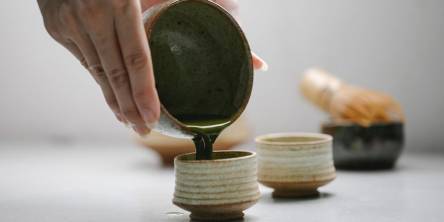
Undoubtedly, green tea has retained its spot as the healthiest beverage in the urban atmosphere for quite some time. However, it has been finally dethroned by vibrant green Matcha tea. Let's find out why?
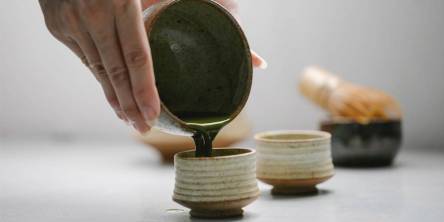
If you are tired of not getting enough varieties in the tea category to experience a healthy life, this article is for you. This write-up is all about a secret ingredient that will help reduce your daily struggle to stay healthy.
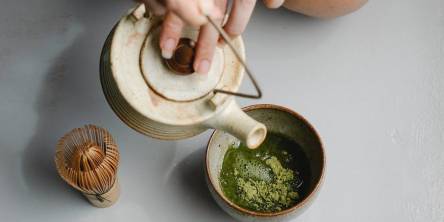
For the past few years, it was all about green tea, its health benefits, but now, people see a new alternative available in the market and are already enjoying its benefits. It is the matcha tea.
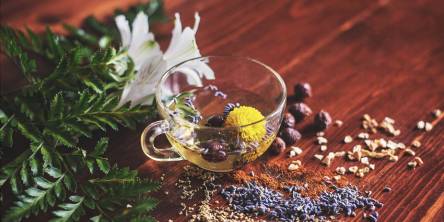
Tea is second to water as the most widely consumed beverage in the world. Drinking tea has been regarded for years as a key to health, wisdom, and happiness but the tea we drink may have negative effects on the body such as heartburn, dizziness, caffeine dependence, poor sleep, etc.
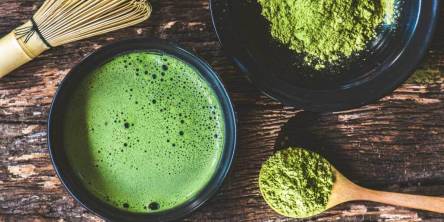
Matcha is a green tea that is famous for its magic health benefits. This tea contains the nutrients from the entire tea leaf, which means it has a greater amount of caffeine and antioxidants than typically found in green tea
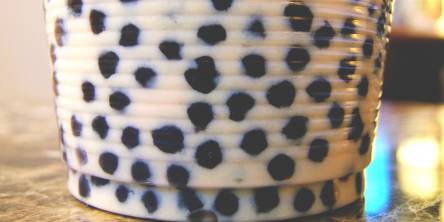
Don’t know which sinker to match with your bubble tea drink? Let this ultimate list from Serenitea, the #1 store of top-selling milk tea, guide you.