

Safety Measures for Fire Emergency in the Workplace
Fires are events that people never anticipate or expect. They are usually accidental in nature, however, the fact that there are almost a hundred thousand fire incidents each year indicates that it is a dangerous catastrophe claiming lives, injuring people and damaging business properties.
Most fires in the workplace are highly preventable if they have a strict implementation of emergency protocols and train the workers about safety handling and response during fire incidents. Below are some safety tips to prevent fire in the workplace:
1. Organization is key – Make sure to have a good practice of housekeeping. Any kind of clutter will most likely contribute to igniting or starting a fire because they usually provide the fuel. Having a complete practice of housekeeping will clear the accessibility to fire exits and to the emergency equipment.
2. Strict implementation of smoking areas – Make sure workers smoke only in the specifically designated areas. Implement the rule for them to never smoke in storage rooms or areas where there are chemicals and flammable materials.
Learn how to use fire extinguishers – Make sure the people know how to use fire extinguishers or at least designate someone who will be trained for it. Maintain the appropriate kind and an exact number of fire extinguishers for your business.
3. Hazards in electrical – inform workers to make sure to report and log all types of electrical hazards and equipment that are malfunctioning and make sure to replace them right away.
4. Control Panel accessibility – Make sure there is a free and easy access to the control panels so when a fire starts electricity can be shut down quickly.
5. Maintenance – Always maintain equipment and any kind of machinery to prevent friction and avoid overheating
Installation of effective Flame and Smoke Detection Systems – The latest technology in the field for fire detection is video based flame and smoke detection systems. There are many brands out there and one that we have tested out recently is Verifire. It is an IP camera built with a DSP chip inside it which contains the algorithms that processes the analyses needed to detect flame or smoke within 5 to 20 seconds before activating the alarms. It can analyze sharpness, edge blur, color, flickering ratio, moving direction and so on to give a hundred percent accurate results. From our comparison, it has the most minimal false alarm rate in the market. This is ideal to install for companies with several outlets or branches and for companies with high ceilings and walls. It can be used by museums, historical relic sites, airplane docks or hangars, oil and food processing plants, warehouses, storage for highly flammable materials and chemical processing plants.
6. Sprinklers – Do not block sprinklers and make sure they are tested out annually.
7. Chemical handling safety – Store chemicals properly and safely. Always inform the workers to read the labels and the safety data sheets when they are tasked to handle them. Always provide enough ventilation when storing substances that are highly flammable.
8. Controlling the waste – The residues and other waste materials that are still highly combustible must be controlled and disposed of properly otherwise it might start fires.
9. Emergency exits – The diagrams of the emergency exits must be posted in all key areas.
10. Who to contact – Workers should keep a list of key people or emergency numbers to contact. During emergencies people tend to panic so seeking help from the right people in the quickest time possible is equally important.
These are a few tip or measures you can make to ensure you will have a safer workplace. With these in mind, you will be more than prepared for fire emergencies.
Similar Articles
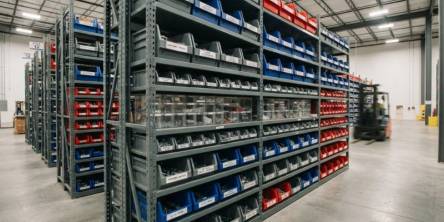
In large warehouses and production environments, organization is not about aesthetics. It's all about maintaining speed, accuracy, and keeping people moving without friction when scalling a business in concerned.

Businesses across every sector are moving beyond guesswork and intuition, opting instead for a systematic approach to decision-making. Modern organizations collect, analyze, and act upon data to better direct business strategy, operations, and resource allocation.
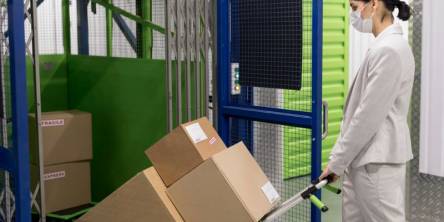
Choosing the right vertical-access system begins with understanding what needs to move, how often it will be used, and where the equipment must fit.

Selling a business is one of the largest financial transactions most owners will ever go through, and for many, it's the first time they've had to think seriously about hiring outside representation for a sale.

Factories face strict requirements when managing chemical spills, hazardous materials, and unexpected contamination events.

The global retail landscape is undergoing a profound transformation. Gone are the days when consumers were uniformly satisfied with mass-produced luxury items displayed in identical glass cases across major shopping districts

A desktop laser engraver has quickly become one of the most versatile tools a maker or entrepreneur can own.

Explore 10 leading paper tube packaging companies helping drive market growth through 2030 with sustainable, recyclable, and premium packaging solutions.
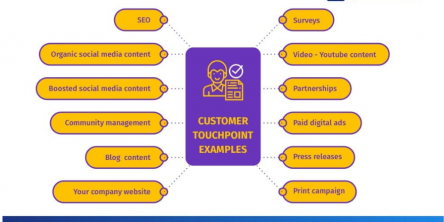
Learn how companies collect insights from every customer touchpoint to improve experiences, personalize marketing, and drive smarter decisions.