

From Roofs to Gardens: How Birds Can Wreak Havoc on Your Property
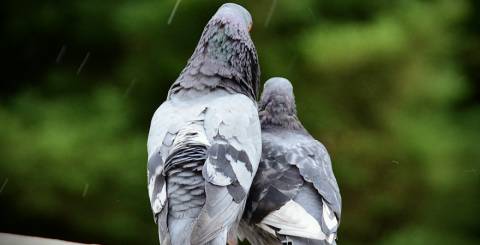
Birds are often seen as a welcome part of nature, filling the air with birdsong and adding charm to outdoor spaces. However, when they decide to settle on your property, they can quickly turn from peaceful visitors into persistent pests. Whether it's pigeons nesting in your roof, seagulls leaving unsightly droppings, or crows raiding your garden, the damage they cause can be costly and frustrating.
From structural damage to health risks, birds can create a range of problems for homeowners and business owners alike. Let’s explore the key ways birds can wreak havoc on your property and what you can do to keep them at bay.
Structural Damage Caused by Birds
Roof and Gutter Issues
One of the most common problems with pest birds is the damage they cause to roofs and gutters. Birds often nest in gutters and downspouts, leading to blockages that can cause water to overflow. Over time, this can result in water damage, leaks, and even structural weakening of your home.
Certain birds, such as disease-ridden pigeons and starlings, may also peck at roofing materials, loosening tiles and creating entry points for moisture. If left unchecked, these small damages can lead to expensive repairs.
Solar Panel and HVAC Damage
If you have solar panels, birds can create another problem by nesting underneath them. This not only reduces the efficiency of your solar panels but also increases the risk of electrical damage from droppings and debris. Similarly, birds nesting around HVAC units can obstruct airflow and affect performance, potentially leading to costly maintenance.
Read more: 5 Birds That Can Become a Real Nuisance for You and Your Property
Facade and Paintwork Destruction
Bird droppings aren’t just unsightly—they’re highly acidic. Over time, they can eat away at paint, corrode metal, and stain surfaces permanently. If birds frequently perch on window ledges, signage, or vehicles, the repeated exposure to their droppings can cause significant wear and tear.
Health and Hygiene Concerns
Spread of Diseases
Birds are known carriers of several diseases that can pose risks to human health. Their droppings can harbour bacteria, fungi, and parasites that lead to illnesses such as histoplasmosis, salmonella, and psittacosis. When these droppings dry out and turn to dust, they can be inhaled, causing respiratory problems.
Allergens and Air Quality Issues
For those with allergies or respiratory conditions, bird feathers and nesting materials can trigger reactions. Accumulated bird debris in attics or ventilation systems can reduce air quality and make indoor spaces less healthy.
Attraction of Other Pests
Birds don’t just create their own problems—they also attract other unwanted guests. Nesting materials and food scraps left behind by birds can draw in rats, mice, and insects, leading to further infestations. If you have birds nesting near your home or business, you could soon find yourself dealing with an even bigger pest problem.
Damage to Gardens and Outdoor Spaces
Destruction of Lawns and Plants
Many birds, particularly blackbirds and crows, are notorious for digging up lawns in search of grubs and worms. This can leave your garden looking patchy and uneven. If you have fruit trees, flower beds, or vegetable patches, birds may also feed on your crops, reducing your harvest and ruining all your hard work.
Mess and Noise Issues
Bird droppings on patios, garden furniture, and cars can quickly become a nuisance. Not only do they create an eyesore, but they also require constant cleaning to avoid permanent staining.
Noise can be another major issue. Birds such as seagulls and magpies are known for their loud calls, which can be disruptive, especially in the early hours of the morning. If you’re looking for peace and quiet, a flock of noisy birds can make it difficult to enjoy your outdoor space.
Prepping Your Building in Spring to Stay Bird-Free
Are you worried about birds building nests on your building this year? Perhaps you’ve noticed some hanging around and you want to stop them from making this their new home. Indeed, acting quickly and preparing your property for the spring is the best idea. You want to stop the first twigs from being laid. The good news is that there are some simple steps you can take to ensure that your property isn’t a target for birds. Let’s take a look at what they are so that you can get started before the good weather gets here.
Sweep Up All Debris
After the long winter months, it’s finally time to get outside and tidy the place up. Often, this means sweeping up debris, such as twigs, leaves and other materials. While this can be a tedious job, it’s important to get rid of them before spring is in full motion. This is because birds will look for this type of debris to build their nests. Indeed, they’ll take the debris and use it close by, which could be a ledge or roof of your building. Leaving debris lying around is encouraging them to nest.
Get Rid of Food
There are many reasons why food might be lying around outside your property or accessible to birds. But, one thing’s for sure; you need to change this before spring comes around. If you have food that’s accessible, this means that birds have a food source they can use. They’ll want to roost nearby so that they can keep an eye on it and have everything in one place. Therefore, you need to make an effort to get rid of food sources around your property.
Carry Out Installations
If you’ve had some anti-bird solutions in mind, now is the time to get them installed. You can position bird spikes on any appealing ledges or windowsills. Then, you can have netting systems on roofs and other high up areas of your building. Carrying out these installations now will make sure that birds can build nests.
Conclusion
While birds may seem harmless at first, they can cause significant problems for homeowners and businesses alike. From damaging roofs and gutters to spreading diseases and destroying gardens, pest birds can create costly and frustrating issues.
By taking proactive steps—such as installing deterrents, maintaining your property, and seeking professional help when needed—you can protect your home or business from the damage birds can cause. The key is to act early before a small nuisance turns into a major problem.
Similar Articles

Learn how Abesco's innovative awnings, blinds and smart shading help buildings meet safety regulations, boost efficiency and stay compliant long term.
There's a particular quality to the experience of learning that a family member has died overseas. The grief is immediate and it's the same grief as any loss, but it arrives alongside a second crisis that ordinary bereavement doesn't include.

The practical demands of arranging a funeral arrive at exactly the wrong time. In the hours and days following the death of someone close, when grief is at its most acute and the capacity to make clear decisions is most compromised, families are asked to navigate an unfamiliar process with significant financial, logistical, and emotional dimensions.

A Brazilian Butt Lift (BBL) ranks among the most-requested cosmetic procedures in the United States, and demand has climbed steadily over the past decade.
The housing market in 2026 is not the frenzied seller's market of 2021.

Running a household can look easy from the outside. There's a beautiful home.
For a long time, the housing market has been facing a big problem.

Many individuals and families find themselves burdened by the accumulation of possessions, overwhelming clutter, and the responsibilities that come with maintaining a larger living space

Discover how outdoor lanterns boost curb appeal, light pathways safely, and create a warm, welcoming glow for your home's entrance and patio.