

Pros and Cons of Laser Teeth Whitening
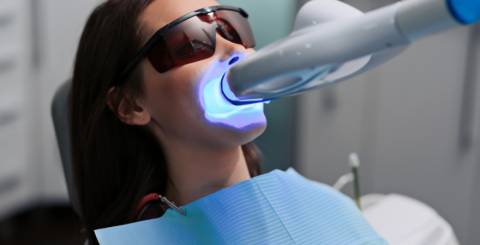
Laser teeth whitening is a common cosmetic dentistry procedure that whitens teeth with a light-activated bleaching gel. It has grown in popularity recently as people attempt to improve their looks and confidence. However, like with any dental procedure, there are advantages and disadvantages that you should consider before determining whether laser teeth whitening is suitable for you.
Pros of laser teeth whitening:
Quick and convenient
Laser teeth whitening is a quick and easy solution to brighten your smile. Depending on the complexity of your staining, the procedure normally takes between 30 and 60 minutes. The benefits are noticeable immediately, so you may enjoy a brighter smile right away.
Effective
Laser teeth whitening is deemed one of the most effective techniques to whiten your teeth. The procedure's light-activated bleaching gel may penetrate deep into the teeth, eliminating even the most persistent staining. This means that you could substantially boost the whiteness of your teeth in only one session.
Long-lasting results
With regular care, the benefits of laser teeth whitening might persist for many months or even a year. You may use teeth-whitening toothpaste and mouthwash or use teeth-whitening kits at home to prolong the effect of teeth-whitening procedures. This means you may have a brighter, more confident smile for a more extended amount of time.
Minimal sensitivity
Laser teeth whitening is more gentle than conventional teeth whitening methods. This is because the bleaching gel used in the procedure is activated by light, so it does not come into direct touch with your teeth.
Customizable
Laser teeth whitening may be customized according to your specific requirements and goals. To achieve the ideal level of brightness while reducing sensitivity, your dentist may modify the intensity of the bleaching gel and the time of the process.
Boosts confidence
A brighter smile can increase your self-esteem and confidence. Laser teeth whitening can assist you in feeling more at ease and confident in both professional and social situations.
Safe
When performed by a trained dental specialist, laser teeth whitening is a safe and non-invasive technique. The bleaching gel used in the procedure is very gentle on your gums and teeth.
Cons of laser teeth whitening:
Expensive
Laser teeth whitening is one of the most costly teeth whitening procedures available. The cost varies according to where you live and the dental clinic you pick, but it can vary from a few hundred dollars to more than a thousand dollars.
Potential side effects
While laser teeth whitening is typically safe, there are certain risks to be aware of. These might include temporary teeth sensitivity, gum irritation, and gum or lip discoloration. But the truth is that these complications are uncommon and typically only temporary.
Not suitable for everyone
Laser tooth whitening isn't for everyone. It is not safe for children under the age of 16, pregnant or breastfeeding women, or anyone who has sensitive teeth or gum disease. Before choosing any teeth whitening approach, you should check with your dentist to confirm that it is safe for you.
Limited results
While laser teeth whitening can offer stunning results, there are certain limitations to how white your teeth can be. The process is ineffective for whitening teeth that have been excessively discolored or stained as a result of certain drugs or medical problems.
The bottom line
Laser teeth whitening is a standard cosmetic dentistry procedure with excellent outcomes. It is quick, easy, and produces long-lasting effects. However, it is also pricey and not suitable for everyone. There are other harmful effects to consider, but they are uncommon and typically quite temporary.
Before trying any teeth whitening option, it is better to check with your dentist to confirm that it is safe for you and to explore the advantages and downsides of laser teeth whitening concerning your specific requirements and goals.
Similar Articles
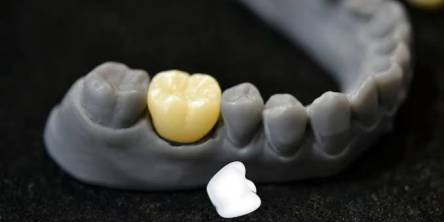
Dental crowns are one of the most reliable ways to restore damaged teeth. Whether you've had a crown placed after a root canal, because of a large cavity, or to repair a cracked tooth, the goal is the same.
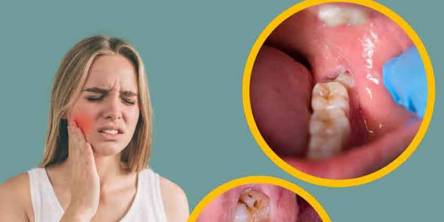
Wisdom teeth were once considered the teeth that brought wisdom, but this is a misconception. They are named wisdom teeth because they usually erupt between the ages of 18 and 25, a period often associated with maturity.

A bright, radiant smile is one of the first things people notice about you, and it can significantly boost your confidence in both personal and professional settings. Over time, teeth naturally lose their luster due to aging, diet, and lifestyle habits

Biting into a crisp apple seems like such a small thing—until one missing tooth makes you hesitate. Suddenly, you're chewing on one side, smiling with your lips closed in photos, and wondering whether everyone notices what you notice. Replacing a missing tooth isn't just about appearance

Gum disease is one of the leading causes of tooth loss in adults. Many people do not realize how serious it can become because the early symptoms often seem minor.

One day, you're biting into a sandwich without a second thought. Next, you're chewing on one side, avoiding mirrors, or wondering when smiling became something you overthink.

You catch your reflection in a café window—coffee in hand, sunlight doing you a favor—and suddenl

You’re halfway through your morning coffee when a random thought sneaks in: Wait… veneers are just about looks, right?

Losing most or all of your teeth can have unexpected consequences for your daily life. Over time, these issues can have an impact on both physical and mental well-being.