

Pivot Shower Door Design, Benefits, and Bathroom Planning Tips
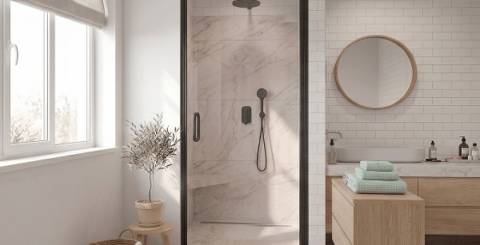
Bathrooms have evolved from purely functional spaces into carefully designed retreats that balance comfort, efficiency, and style. One of the most noticeable changes in modern bathroom design is the increasing preference for sleek glass enclosures that make spaces feel brighter and more open. Among the many door configurations available today, the pivot shower door has become a popular choice because it combines elegant aesthetics with practical performance.
Unlike traditional sliding doors or standard hinged designs, pivot doors rotate on specially positioned pivot hinges, allowing the door to swing smoothly while maintaining a clean, contemporary appearance. Their engineering provides flexibility in different bathroom layouts, making them suitable for everything from compact residential bathrooms to spacious luxury shower enclosures.
As homeowners continue investing in bathroom renovations across the United States, understanding how pivot doors function, where they perform best, and what factors influence their longevity can help create a bathroom that remains both functional and visually appealing for years.
Understanding How Pivot Shower Doors Work
A pivot shower door differs from a conventional hinged door because it rotates around pivot hardware installed at the top and bottom of the door rather than relying solely on side-mounted hinges. Depending on the design, the pivot point may sit near the edge or slightly inward from the frame, allowing the door to open with a smooth rotational motion. This mechanism distributes the weight of heavy tempered glass more evenly across the hardware. As a result, many pivot systems comfortably support thicker glass panels commonly found in modern shower enclosures.
The opening movement also provides greater flexibility in certain bathroom layouts. Some pivot systems allow both inward and outward opening, while others are designed for outward-only operation depending on local building codes, installation requirements, and manufacturer specifications.
Because of their minimalist hardware and uninterrupted glass surfaces, pivot doors often complement contemporary, transitional, and luxury bathroom designs.
Why Homeowners Prefer Pivot Door Designs
Bathroom remodeling trends increasingly emphasize open sightlines, natural light, and spaciousness. Glass shower enclosures help achieve all three objectives, and pivot doors enhance this effect by eliminating bulky tracks that are common with sliding systems.
One reason many homeowners appreciate pivot doors is their clean architectural appearance. Large glass panels create visual continuity throughout the room, making even smaller bathrooms appear more expansive.
The smooth opening motion also contributes to everyday convenience. Since the pivot hardware is engineered to carry substantial weight, properly installed doors operate with stability while minimizing stress on surrounding components.
Another advantage lies in accessibility. Wider door openings can improve entry and exit, particularly in larger shower layouts where space permits a swinging door.
Glass Options That Influence Performance
Not all shower glass performs the same way. Modern shower enclosures typically use tempered safety glass because it undergoes a specialized heating and rapid cooling process that significantly increases its strength compared to standard annealed glass.
Tempered glass also offers an important safety advantage. If breakage occurs under extreme circumstances, it shatters into relatively small blunt fragments instead of large sharp shards.
Thickness is another consideration. Many premium residential installations use thicker glass panels because they provide greater rigidity, improved visual appeal, and reduced vibration during door operation. Homeowners can also choose from several finishes depending on privacy preferences and interior design goals. Popular options include:
-
Clear glass
-
Low-iron ultra-clear glass
-
Frosted glass
-
Rain glass
-
Reeded glass
-
Satin etched finishes
Protective coatings have also become increasingly common. These coatings reduce mineral buildup from hard water while simplifying routine cleaning.
Frameless vs. Semi-Frameless Construction
One of the most common questions during bathroom planning involves choosing between frameless and semi-frameless shower enclosures.
Frameless systems rely on thicker tempered glass supported primarily by precision-engineered hardware. Without heavy aluminum framing, they create a clean, modern appearance that maximizes visibility throughout the bathroom.
Semi-frameless systems retain limited framing around portions of the enclosure while leaving the door itself largely unobstructed. This approach often balances aesthetics with structural support and budget considerations.
Both designs can successfully incorporate pivot hardware depending on the specific enclosure layout.
Bathroom Layout Plays a Major Role
The ideal shower door depends heavily on the available floor plan. Bathrooms with generous clearance often benefit from doors that swing outward without obstruction. Larger walk-in showers frequently accommodate wider glass panels, producing an elegant, high-end appearance.
In compact bathrooms, however, careful planning becomes more important. The swinging arc must avoid contact with toilets, vanities, towel bars, or other fixtures.
Professional measurements help determine whether a pivot configuration will provide sufficient clearance while maintaining comfortable daily use.
The Importance of Quality Hardware
Even the highest-quality glass depends on durable hardware for reliable long-term performance. Modern shower hardware is commonly manufactured from corrosion-resistant materials such as stainless steel, brass, or anodized aluminum. Premium finishes improve both appearance and durability while resisting moisture exposure. Popular finish options include:
-
Chrome
-
Brushed nickel
-
Matte black
-
Satin brass
-
Oil-rubbed bronze
Precision engineering within the pivot mechanism ensures consistent movement, minimizes door sagging, and reduces long-term maintenance requirements.
Installation Accuracy Makes a Significant Difference
Glass shower enclosures require far greater installation precision than many homeowners initially expect. Unlike flexible building materials that can accommodate uneven surfaces, tempered glass cannot be trimmed after manufacturing. Measurements must account for wall alignment, floor slope, curb dimensions, and ceiling conditions before fabrication begins. Experienced installers verify vertical and horizontal tolerances while ensuring proper spacing between stationary panels, doors, and surrounding walls.
Correct hardware alignment also influences waterproof performance. Properly positioned seals, sweeps, and thresholds help direct water back into the shower while minimizing leakage outside the enclosure.
Cleaning and Maintenance
One reason glass shower enclosures remain popular is their relatively straightforward maintenance.
Routine care generally involves removing soap residue before it hardens into stubborn deposits. Using a squeegee after each shower significantly reduces mineral accumulation, especially in regions with hard water.
Mild non-abrasive glass cleaners help preserve protective coatings while maintaining optical clarity. Harsh chemicals, abrasive pads, and acidic cleaners should generally be avoided because they may damage hardware finishes or specialty coatings.
Regular inspection of pivot hardware, seals, and fasteners helps identify minor adjustments before they develop into larger maintenance concerns.
Common Design Trends Across the United States
Bathroom remodeling trends continue shifting toward brighter, more open interiors with simplified architectural lines.
Many designers now favor oversized glass panels paired with minimal hardware to create an uninterrupted visual flow throughout the bathroom.
Matte black hardware remains especially popular in contemporary homes, while brushed nickel continues attracting homeowners seeking timeless versatility. Satin brass has also gained momentum in transitional and luxury interiors.
Another growing trend involves combining fixed glass panels with pivot-operated entry doors to create spacious walk-in shower environments that feel custom designed.
Large-format porcelain tile, floating vanities, and integrated linear drains often complement these minimalist shower layouts.
Safety Considerations
Safety should remain a primary consideration regardless of shower enclosure style. Building codes in the United States generally require safety glazing materials such as tempered glass in shower applications. Proper installation ensures the enclosure performs as intended under normal daily use. Door swing direction, structural anchoring, wall reinforcement, and waterproofing all contribute to the overall safety and durability of the installation.
Families with children or older adults may also consider accessibility features such as wider openings, low-threshold entry designs, and strategically positioned grab bars during bathroom planning.
Factors That Influence Long-Term Durability
A shower enclosure represents a long-term investment, making durability an important consideration. Several factors contribute to service life:
Glass Quality
High-quality tempered glass resists everyday impacts while maintaining exceptional clarity over time.
Hardware Engineering
Well-designed pivot systems distribute weight efficiently, reducing stress on individual components.
Moisture Resistance
Corrosion-resistant finishes help hardware withstand years of exposure to humidity and water.
Proper Installation
Accurate measurements and professional alignment minimize premature wear while supporting smooth operation.
Regular Maintenance
Routine cleaning and occasional hardware inspection preserve both appearance and functionality.
Choosing the Right Style for Your Bathroom
Every bathroom presents unique design opportunities. Factors such as room dimensions, shower size, surrounding fixtures, natural lighting, and overall architectural style all influence the ideal enclosure configuration.
Contemporary homes often emphasize frameless glass with minimalist hardware, while transitional interiors may combine subtle framing with elegant metal finishes. Traditional bathrooms can also successfully incorporate glass enclosures when paired with classic hardware selections and complementary tile designs.
Ultimately, selecting the appropriate configuration involves balancing appearance, functionality, maintenance expectations, and available space rather than focusing on aesthetics alone.
Conclusion
Modern bathroom design increasingly prioritizes openness, durability, and efficient use of space. Glass shower enclosures support these goals by creating brighter interiors while maintaining excellent functionality, and the pivot shower door exemplifies this balance through its refined engineering and clean visual appeal.
From tempered safety glass and precision hardware to thoughtful installation and routine maintenance, every component contributes to long-term performance. Understanding how these systems operate enables homeowners, designers, and remodelers to make informed decisions that align with both practical requirements and aesthetic preferences.
As bathroom design continues evolving, well-designed glass enclosures remain one of the most effective ways to enhance comfort, improve visual spaciousness, and create a timeless bathing environment without compromising everyday usability.
Similar Articles

Learn 6 practical interior upgrades for your compact roadster, from console shelves to phone mounts, that improve comfort and storage without clutter.
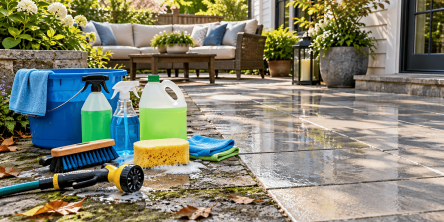
The most reliable way to keep outdoor stone looking its best through spring, summer and fall in 2026 is to match the product to the stain and the surface, rather than rely on a single all-purpose wash

Prepare your condo for professional management with a practical pre-onboarding checklist covering documents, finances, maintenance, and resident communication.

Discover 7 essential questions to ask when choosing a crawl space company for your coastal home, ensuring quality repairs, moisture control, and lasting protection.

A home sauna can sound like a luxury purchase, but for some households it becomes a feature that gets used regularly rather than occasionally. The real question is not whether a sauna is appealing. It is whether the cost makes sense for the way you live.

Learn what to consider before adding a fireplace to an open-plan home, including placement, heat output, furniture, materials, installation and maintenance.

Garage doors are used so frequently that it is easy to overlook the wear and tear they experience. Over time, moving parts can loosen, sensors can become misaligned, and small mechanical problems can develop into expensive repairs.

Most of the decisions that make or break a detached garage happen before a single wall goes up.

If you have ever cleared the dining table for a blow-up mattress, or given up your own bedroom for a week while relatives filled the house, you already understand the problem.