

Essential Strategies for Building a Resilient Cold Chain Network

The global logistics industry is undergoing a massive transformation, driven heavily by the soaring demand for temperature-sensitive goods. From life-saving pharmaceuticals to fresh agricultural produce, maintaining precise environmental conditions during transit is no longer just a best practice; it is a critical necessity. The stakes are incredibly high, and the economic opportunities are just as vast. According to recent market analysis on the cold chain logistics market size, the sector is projected to reach USD 555.4 billion by 2032, expanding at a compound annual growth rate of 6.34% from 2027. This rapid expansion highlights why businesses must proactively invest in resilient infrastructure to remain competitive on an international scale while preventing catastrophic product losses.
Strengthening Physical Infrastructure and Hardware
The foundation of any robust cold chain network is its physical hardware. When equipment fails, the financial and material losses can be staggering. The global pharmaceutical sector alone loses an estimated USD 35 billion each year because of cold chain breakdowns during transit. Furthermore, according to data from the UN Environment Program and the Food and Agriculture Organization, a lack of effective refrigeration directly causes the loss of approximately 526 million tonnes of food globally every single year.
To prevent these severe losses, companies must prioritise reliable physical assets that can withstand the rigours of international shipping. When transporting perishable goods across long distances, selecting the right equipment is paramount. Deploying a high-quality reefer container acts as the primary defence against external temperature fluctuations, ensuring that sensitive cargo remains within its required thermal threshold from origin to destination. Modern refrigerated units are specifically engineered to endure extreme weather conditions and rough handling, making them an indispensable asset for businesses looking to scale their cross-border operations safely.
Implementing Smart Telematics and Real-Time Monitoring
While physical insulation and robust hardware provide the baseline for cargo safety, they are not enough on their own to guarantee an unbroken chain of custody. The modern supply chain demands constant, real-time visibility. This is where advanced telematics and smart technology become essential. By integrating digital sensors and wireless Bluetooth systems into fleet vehicles and shipping units, logistics managers can monitor vital metrics such as temperature, pressure, and humidity around the clock.
Remote monitoring essentially transforms a reactive logistics network into a highly proactive system. As highlighted in a comprehensive guide exploring the key benefits of IoT in supply chain management, connected devices allow businesses to receive instant alerts the moment a storage unit deviates from its programmed settings. Catching a temperature excursion of even one or two degrees early can save entire shipments of highly sensitive products, such as biologics, monoclonal antibodies, and vaccines, which can irreversibly degrade if left unchecked.
Key Strategies for Long-Term Cold Chain Resilience
Building a resilient network requires a holistic approach that goes beyond simply upgrading equipment. Businesses must align their operations with international standards while continuously optimising their daily workflows. To achieve sustainable, long-term growth, logistics providers should focus on several core strategies:
- Adopt AI for predictive maintenance: Artificial intelligence can analyse historical performance data to predict when refrigeration hardware might fail, allowing companies to schedule maintenance before an actual breakdown disrupts a shipment.
- Ensure strict regulatory compliance: Heightened regulatory pressures, such as the Drug Supply Chain Security Act in the United States, compel logistics providers worldwide to maintain flawless transaction accuracy and continuous temperature documentation for all medical shipments.
- Prioritise environmental sustainability: Expanding effective refrigeration infrastructure in developing nations could prevent millions of tonnes of food waste annually, significantly boosting the agricultural economy while simultaneously reducing greenhouse gas emissions.
- Invest in workforce training: As technology rapidly evolves, training staff to handle smart sensors, maintain physical containers, and interpret complex telematics data is essential for maintaining seamless operational efficiency.
Securing the Future of Temperature-Controlled Transit
The inherent complexity of global trade means that supply chain disruptions are almost inevitable. However, businesses that take a highly proactive approach to their temperature-controlled networks will be far better equipped to manage these challenges. By combining robust physical assets, cutting-edge IoT tracking technology, and forward-thinking operational strategies, companies can ensure their perishable cargo arrives safely, securely, and completely without compromise.
Similar Articles

Compare renting and buying commercial premises to understand costs, flexibility, investment potential, and which option best suits your business needs.

Explore why women are starting beauty businesses, from lash and nail services to flexible careers, social media branding, and independent entrepreneurship.

Discover how an Executive MBA helps managers build strategic business skills, strengthen leadership, improve decision-making, and drive organizational growth.
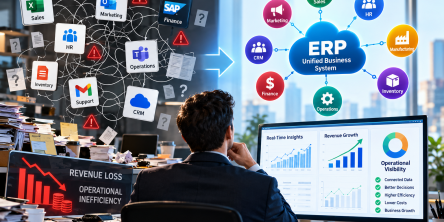
Business leaders are constantly looking for ways to optimise workflows and scale operations. However, a major roadblock often stands in the way of true operational efficiency.

Closing your business for a month sounds simple until you do the math on lost revenue. For most business owners, that math doesn't work. So the renovation has to happen around the business, not instead of it.

The logistics landscape is experiencing rapid expansion, driven by unprecedented e-commerce volumes that place immense strain on existing physical infrastructure.

Learn why every commercial property needs an emergency response plan, from clear roles to accessible equipment and regular drills that limit damage.

Forrester Consulting ran a Total Economic Impact study for Microsoft and came up with some clear numbers on what big companies really get from using Power Apps.
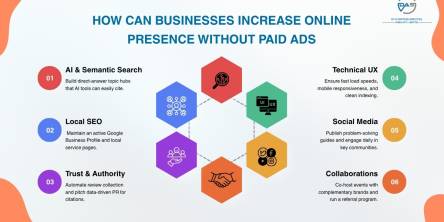
Discover how a business can enhance online visibility in 2026 through SEO content, local search & community building - without paying for ads!