

Smart Oil Change Tips Every Commercial Vehicle Owner Should Know
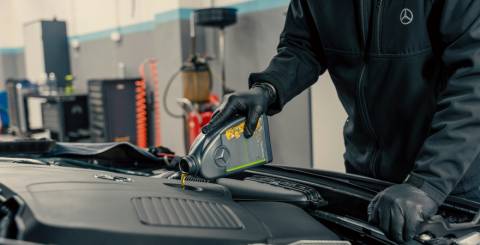
It is a known fact that commercial vehicles usually travel long distances under challenging loads. Therefore, it is necessary to ensure proper engine maintenance. An oil change is one of the easiest but, at the same time, most critical procedures that should be performed to keep all commercial fleet vehicles functioning effectively. Good quality engine oil will reduce friction and heat. Knowing just a couple of tips about oil changes can help you preserve your vehicle and avoid any problems in work conditions.
Recognize the Necessity of Engine Maintenance
An oil change must be considered as part of a comprehensive engine maintenance program, not as a stand-alone maintenance procedure. Inspection procedures will enable detection of any problems with filters, belts, hoses, coolant systems, seals, and other components before the problems turn out to be costly to fix. It is recommended that commercial businesses act upon any noise or excess exhaust smoke, fuel economy deterioration, or unusual oil use by the vehicles. Appropriate maintenance procedures will increase the life of the engine and contribute to ensuring that it works well throughout the vehicle’s lifetime. If any serious internal engine damage occurs, eventually leading to costly repairs, there might be a need to consider replacing the heavy-duty engines altogether.
Focus on Enhancing Vehicle Performance
The state of engine oil will affect various elements of the performance of commercial vehicles. If the engine oil is clean and good, it will enable smooth movement of the inner components while controlling friction and heat. If the engine is working effectively, one is bound to get more reliable performance, including more stable acceleration and smooth running. This is why an oil change should not be viewed in isolation but as part of the performance enhancement process. Apart from servicing, one can also carry out inspection of the air filter, the fuel system, tires, cooling systems, among other performance-related components. In some cases, customized modification of the vehicle can be done depending on the special needs of the business.
Purchase Premium Lubrication Products
The right choice of engine lubricants is equally important as the adherence to a steady servicing schedule. Commercial vehicles usually run in harsh conditions of high temperature, heavy load, and long distance, and thus, it makes sense to use engine oils developed for such conditions. One must always read through the viscosity recommendations and other technical specifications required by the manufacturer before buying the oil. Using the wrong oil will not only harm the lubrication process but could also affect the working characteristics of the engine. Where the manufacturer's recommendations permit it, choose a lubricant such as the premium 5W40 engine oil to ensure the engine receives suitable lubrication throughout its operating cycle. Premium products can provide a practical maintenance investment when matched correctly to the vehicle and its service requirements.
Replace the Oil Filter During Service
Performing an oil change also offers a perfect chance to examine the oil filter and replace it. The oil filter is responsible for collecting any contaminants that would otherwise pass through the lubricating system and cause damage to the parts. Putting a new filter together with new oil will ensure better cleanliness within the engine. In this regard, commercial vehicles need special consideration because long hours of service may put their lubricating system under a lot of pressure, collecting dirt and tiny particles. Care should be taken to choose and properly install filters that comply with the requirements of the car manufacturer. Checking the possibility of leakage after servicing is equally important.
Monitor Oil Levels Between Changes
Oil changes are necessary; however, commercial drivers should not rely solely on the oil change appointment to see whether there is enough engine oil in the engine. Such regular checks would help detect slow oil leaks well in advance, before the engine runs out of sufficient oil quantity to provide proper lubrication. Commercial drivers could include oil check-ups in their pre-trip checks, especially if the vehicles are used for long trips or hard-working conditions. It is recommended to park the vehicle on a level spot and follow the manufacturer's guide while checking the dipstick or electronic oil-level indicator.
Understand the Importance of Regular Oil Changes
Oil eventually becomes less effective with the increase in miles traveled by a commercial vehicle. Oil may lose its lubricating capacity due to heat, dirt, water, and frequent exposure to difficult conditions. It is important to stick to the recommended period of oil changing in order to protect the engine and not allow used-up oil to stay inside the engine for long. Other conditions of operation should be taken into account when preparing the schedule of maintenance for the fleet managers. Idling, loading, stop-and-go driving, dusty air, and long hauls impose more responsibilities on the oil of the engine. In conclusion, proper management of oil can go a long way in ensuring that commercial vehicles operate reliably and have a longer lifespan. Fleet managers who view oil lubrication as one aspect of a preventive maintenance plan can be better equipped to make informed decisions regarding servicing and repairs of their commercial vehicles.
Similar Articles

Learn how to make informed decisions for your vehicle by comparing costs, features, maintenance needs, safety, reliability, and long-term value.

Most people who end up buying a caravan or motorhome spent months thinking about it before they w

Learn how to pick the right UTV door—lower, half, full, or convertible—based on fitment, terrain, weather, and riding style.

Explore new dirt bike models, key features, and expert buying tips to choose the right ride for performance, durability, and off-road adventures.

Clear, student-friendly guide to EV powertrains covering motors, batteries, inverters, and control systems for mechanical and electrical engineers.

The interaction between alcohol ignition interlock devices and insurance coverage is an important consideration for those who have been mandated to install such devices.

Custom van racking helps tradespeople stay organized, protect tools, and work faster. Learn how vehicle-specific systems improve efficiency.

Car accidents can be stressful and overwhelming, often leaving drivers with damaged vehicles and uncertainty about the next steps.

Discover why the Bajaj Chetak C2501 is perfect for eco-conscious commuters—stylish, efficient, low-emission, and ideal for sustainable urban travel.