

Essential Strategies for Scaling a High-Capacity Commercial Fleet

Expanding a commercial transport operation is a major milestone for any logistics business. However, moving from a mid-sized operation to a high-capacity fleet introduces complex challenges that go far beyond simply purchasing more vehicles. To scale successfully, fleet managers need to balance payload demands, vehicle maintenance, safety regulations, and operational efficiency. Without a strategic approach, rapid growth can quickly lead to increased downtime, safety hazards, and shrinking profit margins. The modern freight industry requires leaders to look closely at their internal operations before taking the leap into larger markets. Scaling is ultimately about building a resilient infrastructure that can support heavier workloads while maintaining a stellar safety record.
Establishing a Solid Maintenance Foundation
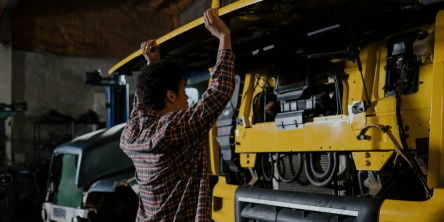
Before acquiring larger assets, it is crucial to ensure that your current operational baseline is flawless. Adding more vehicles to a flawed system only amplifies existing problems and drains capital. A proactive approach to vehicle servicing is non-negotiable for anyone looking to scale operations sustainably. Fleet directors must transition from reactive repairs to predictive maintenance models. In fact, learning how to spot and correct operational inefficiencies while recognising the connection between fleet management and sustainable practices is an essential first step. Implementing rigorous tracking systems to monitor wear and tear ensures that unexpected downtime is minimised. When a high-capacity truck sits idle in the workshop, it costs the business exponentially more than a standard delivery van. Therefore, creating a culture of daily inspections and scheduled part replacements sets a strong foundation for future growth.
Investing in the Right Physical Assets
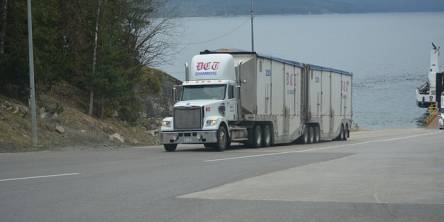
Once a robust maintenance protocol is firmly established, the next step is evaluating the physical assets required to safely haul specialised materials. Expanding capacity often means upgrading to machinery that can handle increased payload demands without compromising structural integrity or fuel efficiency. Investing in reliable heavy duty transport equipment allows logistics operations to transport larger volumes efficiently across long distances. Whether the focus is on custom trailers, tippers, or specialised truck bodies, selecting the exact assets built for demanding conditions ensures that your fleet can handle the rigours of expanded commercial contracts. Decision-makers must look closely at the tare weight of these assets. Lighter but stronger materials allow for greater payload capacity per trip, thereby maximising revenue over time. It is vital to match the exact specifications of the trailers and trucks to the specific freight being moved to avoid premature wear and tear.
Navigating Safety and Compliance Standards
Scaling up high-payload operations carries an immense responsibility regarding public safety and regulatory compliance. Larger vehicles operate under much stricter guidelines than standard commercial trucks, and the penalties for non-compliance can severely damage a company's reputation and bottom line. Recent Australian government audits on the regulation of heavy vehicles highlight this reality, noting that while heavy vehicles account for only a fraction of the total vehicle fleet, their sheer size and operational scale demand intense regulatory scrutiny to mitigate fatal crash risks. Fleet managers must stay updated on all compliance measures to keep the roads safe. This includes adhering to strict mass management rules, monitoring driver fatigue levels, and ensuring that all load restraint requirements are met. A scaled fleet must have a dedicated compliance officer or a robust software system to track changing regulations and ensure that every vehicle on the road is entirely legally compliant.
Key Steps to Seamlessly Expand Your Operations
Transitioning to a high-capacity model requires a structured, phased approach rather than a sudden leap. Rapid expansion without proper integration often leads to logistical bottlenecks. To ensure a smooth and profitable expansion, consider the following actionable steps:
- Implement advanced telematics: Use data-driven software to track route efficiency, fuel consumption, and real-time vehicle diagnostics. Telematics can identify poor driving habits that waste fuel and cause unnecessary wear.
- Prioritise driver training and retention: High-capacity vehicles require specialised driving skills. Invest in ongoing training programmes to ensure your operators are fully equipped to handle complex machinery safely. Furthermore, retaining experienced drivers is far more cost-effective than constantly recruiting new staff.
- Adopt a phased rollout strategy: Rather than doubling your fleet overnight, integrate new assets gradually. This allows your maintenance teams, dispatchers, and administrative staff to adjust to the increased workload without becoming overwhelmed.
- Optimise supply chain routes: Analyse existing logistics networks to ensure that larger vehicles are deployed on routes that maximise their payload efficiency. High-capacity assets are best utilised on long-haul routes with minimal stops, while smaller vehicles are kept for urban distribution.
- Upgrade depot infrastructure: Ensure your home base can actually accommodate larger vehicles. This means checking turning circles, reinforcing parking surfaces, and upgrading workshop bays to fit high-payload trucks.
Scaling a commercial transport business is a highly rewarding endeavour that requires meticulous planning and a deep understanding of operational logistics. By establishing rigorous maintenance schedules, selecting the correct high-capacity physical assets, and strictly adhering to complex safety regulations, logistics directors can achieve sustainable growth. A carefully managed, high-capacity fleet not only boosts operational efficiency but also secures a distinct competitive edge in an increasingly demanding industry.
Ultimately, the success of a growing transport business relies on a balanced combination of reliable equipment, skilled personnel, and unwavering attention to detail. Embracing data analytics alongside practical mechanical upgrades will provide a comprehensive roadmap for the future. As the global supply chain continues to evolve, those who take a measured, strategic approach to their capacity expansion will be the ones best positioned to thrive.
Similar Articles
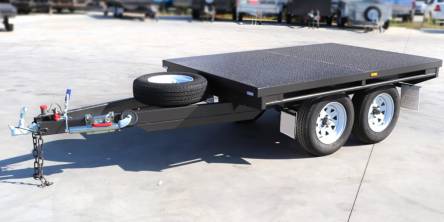
Flat top trailers do one thing better than any other trailer type: they carry almost anything. No sides, no roof, no doors in the way.

Explore a smart truck owner’s checklist, from selecting a lorry tow hitch to researching performance upgrades and maintenance needs.
Most new trucks can't hold a candle to high-mileage Cummins diesels, thanks to some basic engineering decisions.
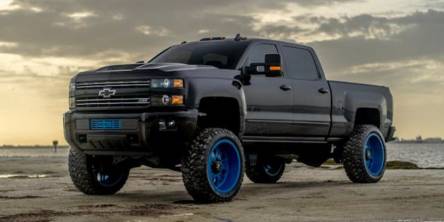
Explore 10 custom truck upgrades that improve capability, boost performance, enhance durability, and make your truck ready for work or adventure.
Ensuring the safety of your fleet is not only about protecting your drivers and vehicles but also about maintaining compliance with regulations and reducing overall operational costs.
A trucking lawyer, usually referred to as a commercial trucking attorney, practices transportation law. They offer legal services to commercial enterprises such as contractors, trucking companies, and logistics providers.
Being a Heavy Goods Vehicle (HGV) driver can be both lucrative and hard. While spacious highways create a sense of independence, spending lengthy hours on the road can lead to feelings of loneliness. Loneliness among HGV drivers is a common problem that affects their mental health and, as a result, their job happiness.
Pickup trucks are heavy-duty trucks that contain a cabin for passengers and also a bed at the back which is used for hauling the goods and also for towing. These pickup trucks are important for commercial and also for industrial uses.
Whenever a client has to move a heavy-weight from one location to another, it is not an easy job for anyone to carry out with safety and protection. It takes a professional company and highly skilled drivers with the right type of truck, to make sure the freight reaches its destination safely.