

How to Organize Medicine Cabinets for Bathroom Safety?
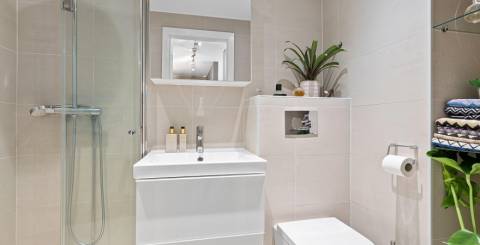
The medicine cabinets for bathroom use can keep small essentials visible and off the countertop, but convenience should never override safe storage. A practical setup separates daily grooming items from medications, keeps hazardous products away from children and visitors, and makes labels easy to read. The goal is not to fill every shelf. It is to create a cabinet where each item has a safe location and can be found without guesswork.
Start with a Complete Cabinet Reset
Remove everything and wipe the shelves according to the cabinet manufacturer’s instructions. Work on a dry counter where bottles cannot fall into the sink. Sort the contents into medications, first-aid supplies, oral care, skin care, grooming tools, and products that belong elsewhere. Set aside anything leaking, unlabeled, expired, or no longer used. Keep each medicine in its original container unless a pharmacist has recommended another system. The prescription label connects the product to the correct person, dose, directions, and pharmacy. Loose pills in an unmarked cup or mixed bottle can be difficult to identify and easy to misuse. If a weekly pill organizer supports an established routine, fill it carefully and keep the labeled containers available for reference.
Decide What Actually Belongs in the Bathroom
A product called a medicine cabinet is not necessarily the best place for every medicine. Showers and baths can raise heat and humidity, and some drugs must be stored in a cool, dry place. MedlinePlus advises keeping medicines away from heat, air, light, and moisture because these conditions may damage them. Follow the storage statement on each label; when it calls for dry room-temperature storage, a secure bedroom or hallway location may be more appropriate. (Source: MedlinePlus Medical Encyclopedia, Storing Your Medicines) The bathroom cabinet can still hold suitable first-aid and personal-care products when their labels allow it. Keep bandages and gauze in a closed, dry container. Store razors with blade covers and position sharp tools where a child cannot reach them. Move cleaners, loose batteries, and unrelated chemicals elsewhere.
Build Zones That Prevent Mistakes
Divide the cabinet by person or purpose, not by package color. One shelf might hold adult daily-care items, another oral care, and another first aid. Use shallow, washable bins so small tubes do not disappear behind larger bottles. Clear labels such as First Aid or Dental Care are easier to understand than decorative abbreviations. Leave enough open space to remove one product without knocking over several others. Do not place different family members’ prescriptions together in a shared unlabeled basket. A separate, clearly identified container for each adult reduces mix-ups, particularly when bottles look alike. Keep high-risk or seldom-used medicines in a locked location rather than the most accessible shelf. Visitors should not have to move prescriptions to find soap, tissues, or basic toiletries. Arrange daily nonmedication items between waist and eye level, with lightweight backups higher up. Keep heavy glass bottles lower. Nothing should interfere with hinges, lighting wires, outlets, or a built-in defogger. If the cabinet has a receptacle, keep wet toothbrushes and leaking containers away from it and follow the product manual.
Treat Child Resistance as a System
A high shelf alone is not a complete safeguard. Children climb, and a stool used at the sink can change what they can reach. Store medicines, vitamins, nicotine products, cannabis products, and other potentially harmful items in a locked cabinet or lockbox when children are present. Close child-resistant caps fully after every use, while recognizing that child-resistant packaging is designed to slow access rather than make a container childproof. Return the product to secure storage immediately after use, even when another dose is due later. A phone alarm can prompt the next dose without leaving the bottle within reach. Caregivers should also secure handbags, overnight bags, and visitor medications; the same safety rule must apply throughout the home.
Make Labels and Routines Easy to Follow
Face labels forward and keep the cabinet light working so users can confirm the name and directions. Do not cover pharmacy warnings with homemade stickers. For households managing several prescriptions, maintain a current medication list with drug names, strengths, dosing schedules, allergies, and prescriber information. Keep a copy available for medical appointments, but protect private health information from casual visitors. Review the cabinet every three months and whenever a prescription changes. Check expiration dates, damaged packaging, duplicate active ingredients, and products that no longer match the current care plan. A pharmacist can answer questions about storage, interactions, and whether an older prescription should still be used. Do not share prescription medicine, even when another person appears to have the same symptoms.
Remove Unused Medicines Safely
Do not keep expired or unwanted drugs simply because there is room. The U.S. Food and Drug Administration identifies drug take-back locations or mail-back programs as the preferred disposal option for most unused medicines. If a take-back option is not readily available, follow FDA instructions for the specific product; only medicines on the FDA flush list should be flushed. Others may have approved household-trash directions. (Source: U.S. Food and Drug Administration, Safe Disposal of Medicines) Before discarding an empty prescription container, remove or obscure personal information. Needles and other sharps require an appropriate sharps container and separate disposal guidance; they should never be left loose in a bathroom cabinet or regular recycling bin.
Prepare for an Emergency
Post the Poison Help number, 1-800-222-1222, where adults can find it quickly, and save it in household phones. If a person collapses, has trouble breathing, has a seizure, or cannot be awakened, call 911 immediately. Poison Help connects callers with a local poison center for confidential guidance, but organization is preventive and cannot replace professional advice during an exposure. (Source: U.S. Health Resources and Services Administration, Poison Help)
A Safer Cabinet Stays Simple
The safest medicine cabinet is easy to understand at a glance. Keep only appropriate items inside, preserve original labels, separate users and categories, lock hazardous products, and schedule regular reviews. Most importantly, let each product’s storage instructions determine whether it belongs in the bathroom at all. A few clear zones and consistent habits provide more protection than an overfilled cabinet with elaborate organizers.
Similar Articles

Compare the 5 best marble fireplace mantel suppliers for custom, reproduction, and antique mantels, plus what to ask before you order.

Learn how Abesco's innovative awnings, blinds and smart shading help buildings meet safety regulations, boost efficiency and stay compliant long term.
Most people hire a skip bin for the first time in the middle of a project that has generated more

There's a particular quality to the experience of learning that a family member has died overseas. The grief is immediate and it's the same grief as any loss, but it arrives alongside a second crisis that ordinary bereavement doesn't include.

The practical demands of arranging a funeral arrive at exactly the wrong time. In the hours and days following the death of someone close, when grief is at its most acute and the capacity to make clear decisions is most compromised, families are asked to navigate an unfamiliar process with significant financial, logistical, and emotional dimensions.

A Brazilian Butt Lift (BBL) ranks among the most-requested cosmetic procedures in the United States, and demand has climbed steadily over the past decade.

The housing market in 2026 is not the frenzied seller's market of 2021.

Running a household can look easy from the outside. There's a beautiful home.

For a long time, the housing market has been facing a big problem.