

Why Natural Materials Can Completely Change the Feel of a Room
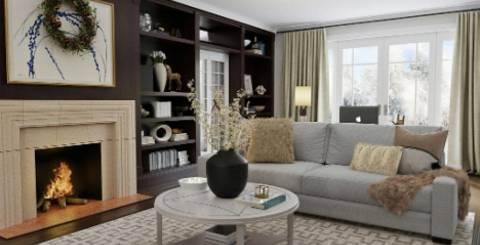
A room can have good furniture, plenty of light and a sensible layout and still feel slightly flat. Often, what is missing is texture. Natural materials introduce variation that is difficult to reproduce with perfectly smooth, uniform surfaces. Wood grain, stone, linen, clay and other organic finishes create subtle differences in colour and texture that make a space feel warmer and more layered. They can also change how a room is experienced rather than simply how it looks. Wood can soften a modern interior, stone can add a sense of permanence and woven fibres can make an otherwise minimal room feel more relaxed. The most effective spaces rarely use every natural material at once. Instead, they allow one or two materials to establish the character of the room while other elements support them. That balance can transform an ordinary interior without requiring a complete redesign.
Let Wood Add Texture to Larger Surfaces
Wood makes a particularly strong impact when it is used across a larger area rather than limited to small accessories. Wall treatments are one way to introduce that effect. Homeowners considering shiplap siding for sale can use timber cladding to bring visible grain, shadow lines and a stronger sense of depth to a room that might otherwise rely on plain painted walls. The finish can be adapted to the style of the space. Natural tones create warmth, lighter finishes can keep the room feeling airy and darker wood can add contrast in a more dramatic interior. It is also possible to use timber on one feature wall instead of covering an entire room. That restraint often works well because it gives the material enough visual importance without allowing it to overwhelm everything around it.
Build the Room Around a Natural Focal Point
Some natural elements influence a room because they provide both visual interest and a clear purpose. A fireplace is a good example. It naturally gives furniture something to orient around and creates a centre for the room, particularly during colder months. Once the focal point is established, the rest of the room can remain relatively simple. Furniture can face toward it, lighting can reinforce the area and natural materials such as wood or stone can help connect it visually to the rest of the space. A strong focal point often reduces the need for numerous smaller decorative objects.
Use Stone to Add Weight and Contrast
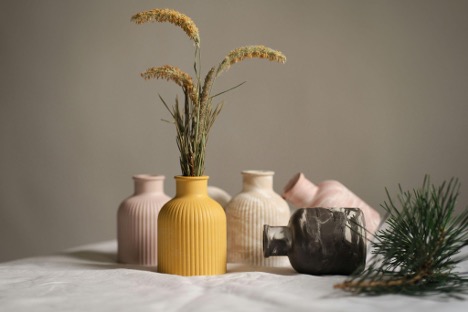 Photo by Ionela Mat on Unsplash
Stone brings a very different character from wood.
Stone brings a very different character from wood. Where timber often feels warm and soft, stone can make a room feel more grounded and substantial. It works particularly well around fireplaces, floors, kitchen surfaces and architectural details. The material does not have to look rustic. Smooth limestone, marble and other refined finishes can work in contemporary interiors, while rougher stone creates a more traditional or organic feel. One of the strongest combinations is wood and stone together. The contrast between them creates visual interest without relying on strong colours. This can be especially useful in neutral interiors where texture needs to do more of the design work.
Introduce Softer Natural Fibres
Hard surfaces benefit from something softer around them. Linen curtains, wool rugs, cotton upholstery and woven baskets can make rooms feel more comfortable and reduce the sense that every surface is polished or rigid. These materials are especially effective in bedrooms and living areas. A rug can soften timber or stone flooring, while curtains add movement and texture around windows. Even smaller details, such as a woven throw or natural-fibre lampshade, can help connect larger materials throughout the room. There is no need for every textile to match exactly. Slight differences in texture usually make the space feel more natural and less like it was assembled from one coordinated collection.
Allow Imperfection to Become Part of the Design
Natural materials often contain marks, grain changes and colour variation. Trying to eliminate those differences can remove much of their character. Knots in timber, tonal changes in stone and uneven texture in handmade ceramics are often what make these materials visually interesting. They create surfaces that change slightly depending on light and viewing angle. This is one reason natural materials tend to age differently from synthetic finishes. Some develop patina rather than simply looking worn. That does not mean maintenance should be ignored. Wood may need appropriate protection and stone may require sealing depending on where it is used. But allowing materials to show some natural variation can make the interior feel more relaxed and authentic.
Keep the Overall Palette Simple
Natural materials already provide a great deal of visual information. If too many colours, patterns and finishes are added around them, the room can become unnecessarily busy. A simpler palette allows texture to take the lead. Warm white, cream, muted green, grey and earthy tones often work well because they support wood, stone and natural fibres without competing with them. This does not mean the room has to be neutral. A stronger colour can still be introduced through artwork, a piece of furniture or a smaller decorative feature. The difference is that the material remains part of the room's identity rather than disappearing behind too many other elements. Natural materials can completely change a room because they influence more than its appearance. They add depth, warmth and variation while helping spaces feel more grounded and comfortable. Wood can soften walls, stone can create weight and textiles can bring in the softness needed to balance harder surfaces. The strongest results usually come from using these materials deliberately rather than excessively. A single timber wall, a stone feature or a few carefully chosen natural textiles may be enough to give an ordinary room a much stronger sense of character.
Similar Articles

Learn how to decide between roof repair and replacement by understanding leaks, shingle wear, attic clues, and other signs of roof damage.

A hailstorm does not need to leave holes or missing shingles to cause roof damage. Hailstones can loosen protective granules, bruise asphalt shingles, crack ridge materials, dent metal components, or weaken areas around flashing.
Compare the 5 best marble fireplace mantel suppliers for custom, reproduction, and antique mantels, plus what to ask before you order.
Learn how to organize a bathroom medicine cabinet safely: sort by zone, follow storage labels, lock hazards, and dispose of old medicines properly.

Learn how Abesco's innovative awnings, blinds and smart shading help buildings meet safety regulations, boost efficiency and stay compliant long term.

Most people hire a skip bin for the first time in the middle of a project that has generated more

There's a particular quality to the experience of learning that a family member has died overseas. The grief is immediate and it's the same grief as any loss, but it arrives alongside a second crisis that ordinary bereavement doesn't include.

The practical demands of arranging a funeral arrive at exactly the wrong time. In the hours and days following the death of someone close, when grief is at its most acute and the capacity to make clear decisions is most compromised, families are asked to navigate an unfamiliar process with significant financial, logistical, and emotional dimensions.

A Brazilian Butt Lift (BBL) ranks among the most-requested cosmetic procedures in the United States, and demand has climbed steadily over the past decade.