

The First-Time Home Buyer Money Map: A Calm Plan For Saving, Taxes, And Closing

Key Takeaways
- A home-buying fund should include the down payment, closing costs, moving costs, and an emergency reserve.
- FHSA, RRSP, TFSA, and non-registered savings can serve different purposes and follow different rules.
- Contribution records can make tax filing and proof-of-funds requests easier to handle.
- A mortgage pre-approval is a borrowing estimate, not a required spending target.
Buying a first home is easier to manage when the plan covers more than the down payment. It should account for taxes, closing costs, moving expenses, and the cash cushion needed after possession. For buyers reviewing complicated FHSA reporting, how the FHSA variable B amount works can clarify how participation room, carry-forward amounts, transfers, and possible excess amounts fit together. Questrade, a Canadian online investment dealer that offers registered accounts and investing services, publishes this account-and-tax guidance to help investors understand the reporting concepts connected to their FHSA activity.
A strong plan also leaves room for change. Income can shift, a purchase date can move, and a home inspection can reveal costs that were not obvious when the offer was written. Use this guide as an educational framework, then confirm account rules and mortgage details before making major decisions.
Start With A Clear Home-Buying Target
Start with a price range and a monthly housing cost that fits your actual life, not just a lender's maximum calculation. Consider existing debt, childcare, commuting, food, travel, family commitments, and future repairs. Then choose a likely purchase window, such as 12, 18, or 24 months. A defined timeline helps you decide how much investment risk is reasonable for money that may soon be needed.
Build A Three-Part Goal
- Down payment: the amount applied to the purchase price.
- Closing and moving fund: money for costs that arise before and at possession.
- Emergency reserve: cash kept outside the transaction for unexpected needs.
Separate The Down Payment From Other Cash Needs
Having enough for a deposit does not necessarily mean you are ready to close. Depending on the property and location, buyers may need funds for an inspection, appraisal, legal fees, land transfer taxes or similar local charges, insurance, utility setup, movers, and immediate purchases for the home.
After closing, regular costs can include mortgage payments, property taxes, insurance, utilities, condo fees where applicable, maintenance, and repairs. For example, a buyer who directs every available dollar toward the down payment may have little flexibility if the refrigerator fails shortly after move-in. Keep a separate reserve so that a single surprise expense does not immediately create high-interest debt.
Compare The Main Savings Accounts
First Home Savings Account
An FHSA can be useful for an eligible first-time buyer because contributions are generally deductible and qualifying withdrawals may be tax-free. The CRA's FHSA guidance explains eligibility, participation room, transfers, withdrawals, and reporting. Opening an account alone does not create unlimited room, so check available room before contributing.
RRSP And The Home Buyers' Plan
An RRSP may also be part of a purchase plan through the Home Buyers' Plan for buyers who meet its conditions. Unlike a gift or ordinary withdrawal, funds withdrawn under the plan are generally subject to repayment rules. Treat that future repayment as part of the household budget rather than overlooking it.
TFSA And Non-Registered Savings
A TFSA can provide flexibility because withdrawals are not tied to a home purchase. A regular savings or non-registered investment account can also have a place in the plan. The best mix depends on your timeline, tax position, access needs, and comfort with market changes. As the expected closing date approaches, preserving the cash you need may matter more than seeking higher returns.
Track Contributions And Plan For Taxes
Create a simple contribution log for every account used in the plan. Record the date, amount, account, transaction type, and any withdrawal, transfer, correction, or reversal. Save year-end statements, tax slips, and confirmations. This record can be useful when reviewing tax software, responding to a lender's request for proof of down payment, or checking available contribution room.
Do not assume all transactions have the same tax result. A regular FHSA contribution, an RRSP-to-FHSA transfer, a qualifying withdrawal, and an excess contribution can be handled differently. Compare your own records with the information shown on tax slips and notices. If something does not match, pause before filing or making another deposit.
Avoid Common First-Time Buyer Mistakes
- Using the pre-approval as a spending limit: leave room for lifestyle costs and future repairs.
- Ignoring the purchase timeline: money needed soon may not be suitable for volatile investments.
- Forgetting account rules: review eligibility, limits, withdrawal conditions, and transfer requirements first.
- Combining records casually: couples should track each person's registered-account activity separately.
Prepare For Mortgage Pre-Approval
Gather documents before you start comparing mortgage options. Typical requests include recent pay stubs, employment letters, tax returns or notices of assessment, bank and investment statements, proof of the source of the down payment, and details of outstanding debts. Avoid taking on new credit or making unexplained large transfers while the application is active.
Ask each lender or mortgage professional about the full payment, prepayment options, portability, renewal terms, and how penalties are calculated. The lowest advertised rate may not be the lowest overall borrowing cost if the mortgage has restrictive terms or expensive break penalties.
Build A Closing-Day Checklist
One Month Before Closing
- Confirm final mortgage approval and insurance requirements.
- Send requested documents to your lawyer or notary.
- Review the statement of adjustments and the final amount needed to close.
One Week Before Closing
- Confirm certified funds or wire instructions directly with your legal representative.
- Arrange utilities, movers, and a final property visit.
- Keep emergency funds separate from closing money.
A Simple 2026 Buyer Example
Consider a buyer hoping to purchase within two years. They set a realistic price range, save separately for closing costs, make regular contributions to an eligible account, and maintain an emergency fund outside the down payment. Every three months, they review income, debt, savings progress, investment risk, and the expected purchase date. If the timeline shortens, they may reduce risk and increase the share held in accessible cash-like savings.
Common Questions
Should the down payment stay in cash?
It depends on the timeline and risk tolerance. A short timeline often calls for greater stability, while a longer one may allow more flexibility.
Can buyers use more than one account?
Yes, if they are eligible, but each account has separate rules. Track where every dollar came from and how it was treated.
When is professional guidance useful?
Seek qualified help when dealing with registered-account transfers, excess contributions, self-employment income, jointly owned property, or uncertainty about whether a withdrawal qualifies.
Conclusion
A first-home plan works best when it covers the entire journey, not only the offer deposit. Set a target, separate your cash needs, keep organized records, understand the accounts you use, and protect a reserve for life after closing. That preparation can make a major purchase feel more deliberate and far less stressful.
Similar Articles

Planning a Savannah move? Learn how to handle narrow streets, summer heat, hurricane season, and how to choose the right movers for your home.
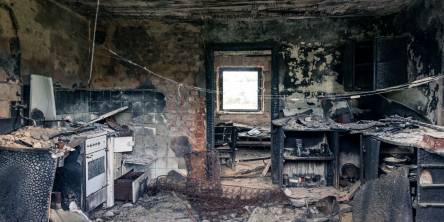
Learn how to document property damage for an insurance claim with photos, inventories, receipts, and logs, before, during, and after cleanup.

Learn how veteran-led home services use ACCA Manual J, S, and D to design ductwork that cuts energy costs, balances airflow, and ends hot and cold spots.

Discover why moving into a new home means starting over twice, from adjusting to a new space to rebuilding routines, relationships, and a sense of belonging.

Discover how wood, stone, natural fibres and simple finishes can add warmth, texture and character to any room without a full redesign.
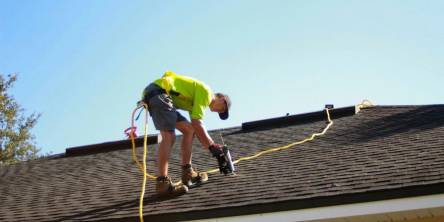
Learn how to decide between roof repair and replacement by understanding leaks, shingle wear, attic clues, and other signs of roof damage.

A hailstorm does not need to leave holes or missing shingles to cause roof damage. Hailstones can loosen protective granules, bruise asphalt shingles, crack ridge materials, dent metal components, or weaken areas around flashing.

Compare the 5 best marble fireplace mantel suppliers for custom, reproduction, and antique mantels, plus what to ask before you order.

Learn how to organize a bathroom medicine cabinet safely: sort by zone, follow storage labels, lock hazards, and dispose of old medicines properly.