

Roof Repair vs. Replacement: How to Read Leaks, Shingle Wear, and Attic Clues
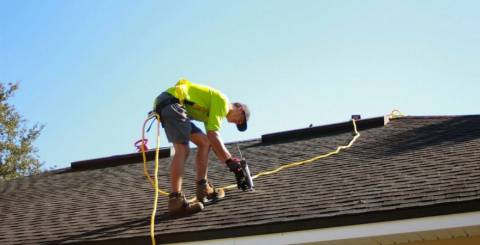
When water shows up where it shouldn't, homeowners often face a hard call: patch the problem or plan a full roof replacement. The right decision rarely comes from a glance at a missing shingle. It comes from reading clues across the roof surface, the flashing around penetrations, and the conditions inside the attic. By understanding what different leak patterns, shingle wear, and ventilation issues actually mean, you can decide whether a targeted repair will hold or if it is time to strip the roof down to the decking and start fresh.
1. Start With Where Water Shows Up: Tracking Leak Patterns
Begin with the stain, drip, or damp spot on the ceiling and trace it to its likely source. One isolated spot below a plumbing vent, satellite mount, or skylight points to localized failure at a boot, fastener, or step flashing. You can often fix this by replacing the vent boot, reseating step flashing at a sidewall, or updating a skylight curb detail. For broader context on typical residential systems and materials, resources covering roofing solutions for homeowners can help you identify components as you investigate.
By contrast, multiple leaks appearing in different rooms after moderate rain suggest a larger membrane or age-related issue rather than a single flashing failure. Repeated wet spots beneath valleys or where two roof planes meet can indicate worn valley flashing, an underlayment gap, or fasteners driven too close to the valley centerline. Leaks that worsen after wind events can also point to shingle uplift or failed sealant strips on aging 3-tab or architectural shingles, pushing you closer to replacement.
2. Check the Roof's Age, Shingle Type, and Surface Wear
Shingle condition tells a story about remaining life. Granule loss that exposes the asphalt mat, widespread edge curling, and cracked tabs are hallmarks of end-of-life for asphalt shingles. Look closely at the south and west slopes where heat accelerates aging. If you see blistering, bald spots, and brittle tabs that break when you lift them gently, repairing small sections may only buy a season or two. In that case, a tear-off with new underlayment, starter strips, and a properly nailed field is usually the durable path.
Material type matters. Three-tab shingles typically have a shorter service life than heavier architectural shingles. If a roof is already past the typical age range for its shingle class and you are chasing leaks in different locations, replacement becomes more rational than piecemeal repairs. On newer roofs with isolated damage from hail bruising or a fallen limb, spot repairs using matching shingles and manufacturer-approved nailing patterns can be appropriate if the surrounding field is healthy.
3. Look Under the Surface: Decking, Ventilation, and Moisture
What you find in the attic often decides the question. Darkened sheathing, active condensation on nails in winter, and mold growth along the rafters point to inadequate ventilation as much as to leaks. Balanced intake and exhaust through soffit vents and a ridge vent move moist air out. When soffit vents are painted shut, or insulation blocks the eaves, moisture lingers, heat builds, and shingles age faster. If you install a new roof without correcting airflow, you set the replacement up for the same early failure.
Probe the roof deck from the top when safe, or from the attic. Spongy spots underfoot, delamination in OSB, and rot at eaves are signs the decking has been compromised by long-term moisture. This is a key relationship: decking condition dictates whether a simple overlay is even an option. Soft or uneven sheathing calls for a full tear-off, localized deck replacement, fresh synthetic underlayment or ice-and-water shield in critical areas, and new drip edge so water sheds cleanly into the gutters.
4. Flashing and Penetrations: Localized Repairs That Actually Last
Many leaks come from metal details rather than the shingles themselves. Step flashing at sidewalls, counterflashing at chimneys, pan flashing at dormers, and boots around plumbing vents must all be integrated with the underlayment and siding. A common mistake is smearing roof cement around a chimney or along a skylight frame. Caulk-only fixes fail as soon as heat and movement reopen the gap. Lasting repairs involve lifting shingles, replacing damaged step flashing, tucking counterflashing into a mortar joint, or rebuilding a chimney cricket to divert water.
Valleys deserve special attention. Closed-cut valleys with misaligned cut lines or exposed nails near the center can funnel water beneath the shingle field. Where ice dams are likely, lining valleys and eaves with ice-and-water shield beneath the shingles reduces the risk of backup. If your only issues stem from a couple of flawed flashing details and the rest of the field is sound, a targeted repair can be sensible. But if flashing fails in many places, it often signals systemic installation issues or age, and a replacement gives you a clean restart.
5. Tear-Off, Overlay, or Targeted Repair: Trade-Offs and Next Steps
Homeowners often ask about overlaying a new layer of shingles. An overlay can reduce debris and shorten installation time, but it locks in any unevenness, adds weight, and makes future leak tracing harder. It also limits your ability to replace deteriorated decking, upgrade to a modern synthetic underlayment, or install a continuous ice-and-water shield at eaves. Many jurisdictions limit the number of roof layers allowed, so check your local code. If the deck is flat and dry and the existing layer is well adhered, an overlay can work, but a tear-off provides the most control and long-term clarity.
Targeted repair is the least disruptive path when you can isolate the fault. For example, replacing a cracked plumbing boot and a few shingles on a five-year-old roof is reasonable. So is opening a sidewall to reset step flashing where a new window or siding project disturbed the layers. On the other hand, a 20-year-old roof with curled edges, widespread granule loss, and leaks at two valleys is a strong candidate for a full replacement that also corrects ventilation with clear soffit intakes, baffles, and a continuous ridge vent.
Scenario 1: After a wind-driven rain, you notice a stain below a second-floor bathroom. In the attic, the deck is dry elsewhere, and outside, the neoprene boot at the plumbing vent has cracked. Replacing the boot, installing a metal rain collar, and swapping the surrounding shingles is an effective repair.
Scenario 2: Each thaw brings drips along exterior walls and icicles hang thick from the eaves. The attic shows frost on nails and darkened sheathing near the eaves. Here, inadequate soffit intake and a missing ice-and-water shield fuel ice dams. A replacement that adds intake ventilation, a ridge vent, and eave membrane, plus new drip edge and properly lapped underlayment, solves the cause rather than the symptom.
Whatever you choose, document the work. Keep photos of damaged areas, notes on underlayment and flashing used, and receipts. After storms, do a ground-level scan for lifted shingles, missing ridge caps, or displaced gutter sections. Keep gutters clear so water does not back up under the drip edge and rot the fascia. For repairs, ask for the exact products installed and how they integrate with the existing layers. With replacements, confirm details such as starter strips at eaves and rakes, correct nailing patterns, and sealed penetrations, so the new system sheds water as designed.
A roof decision is easier once you match the symptom to its cause. Localized leaks near a vent or sidewall often justify a surgical repair. Systemic wear across slopes, soft decking, or chronic attic moisture points to a replacement that pairs new shingles with sound ventilation, upgraded underlayment, and clean metal details. Read the clues on top and inside the attic, weigh the overlay-versus-tear-off trade-off, and address the root causes so the fix lasts well beyond the next storm.
Similar Articles

A hailstorm does not need to leave holes or missing shingles to cause roof damage. Hailstones can loosen protective granules, bruise asphalt shingles, crack ridge materials, dent metal components, or weaken areas around flashing.

Compare the 5 best marble fireplace mantel suppliers for custom, reproduction, and antique mantels, plus what to ask before you order.

Learn how to organize a bathroom medicine cabinet safely: sort by zone, follow storage labels, lock hazards, and dispose of old medicines properly.

Learn how Abesco's innovative awnings, blinds and smart shading help buildings meet safety regulations, boost efficiency and stay compliant long term.
Most people hire a skip bin for the first time in the middle of a project that has generated more

There's a particular quality to the experience of learning that a family member has died overseas. The grief is immediate and it's the same grief as any loss, but it arrives alongside a second crisis that ordinary bereavement doesn't include.

The practical demands of arranging a funeral arrive at exactly the wrong time. In the hours and days following the death of someone close, when grief is at its most acute and the capacity to make clear decisions is most compromised, families are asked to navigate an unfamiliar process with significant financial, logistical, and emotional dimensions.

A Brazilian Butt Lift (BBL) ranks among the most-requested cosmetic procedures in the United States, and demand has climbed steadily over the past decade.

The housing market in 2026 is not the frenzied seller's market of 2021.