

From Chaos to Clarity: How Financial Book-Keeping Shapes Stronger Businesses

Running a business means wearing many hats—serving clients, managing staff, overseeing operations, and keeping an eye on the competition. In the middle of all that, tracking finances can often feel like a background task that can be “caught up on later.”
The reality? Postponing financial organization is one of the quickest ways to create stress, confusion, and even legal trouble. Strong bookkeeping practices paired with effective bookkeeping services turn raw numbers into a reliable decision-making tool—one that can guide your business from uncertainty to stability.
The Core of Good Financial Management
At its most basic, bookkeeping means recording all business transactions—sales, purchases, receipts, and payments—in a structured format. While this might seem like a simple clerical task, it’s actually the backbone of your entire financial system.
When financial records are maintained consistently, you can:
-
Track cash flow accurately and spot potential shortages before they happen
-
Identify patterns in spending and adjust budgets accordingly
-
Stay compliant with tax laws and reporting requirements
-
Present clear records to investors, lenders, or potential buyers
Without this foundation, even the most promising business plans can crumble under the weight of hidden costs, missed deadlines, and unclear profitability.
Why Accuracy Matters More Than You Think
It’s tempting to think that being “close enough” with numbers is harmless—until small discrepancies pile up into big problems.
Consider a business that forgets to record a handful of supplier invoices over several months. The result could be:
-
Inaccurate expense reporting
-
Inflated profit figures
-
Overstated available cash
-
Unexpected bills that disrupt planned spending
Accurate records do more than keep the tax office happy—they protect your ability to make sound decisions and maintain trust with stakeholders.
Going Beyond the Basics with Professional Services
While day-to-day transaction tracking is vital, many businesses reach a point where they need more than just balanced books. That’s where professional bookkeeping services come in, offering:
-
Forecasting and Planning – Anticipating busy and quiet periods so you can adjust staffing, inventory, and marketing accordingly.
-
Detailed Reporting – Breaking down income and expenses by department, product line, or client to see what’s working and what isn’t.
-
Compliance Management – Staying ahead of deadlines for BAS, GST, payroll reporting, and other obligations.
-
Cost Control Advice – Identifying unnecessary spending and suggesting more efficient processes.
-
Cloud Integration – Giving you secure, anytime access to real-time financial data.
This level of insight turns raw numbers into a strategic tool for growth.
Practical Habits That Strengthen Bookkeeping
If your business isn’t ready for full-service bookkeeping support, adopting a few consistent habits can dramatically improve financial health:
1. Record Transactions Promptly
Don’t wait until month-end to enter sales and expenses. The longer you delay, the harder it is to remember the details—and the more likely you are to make mistakes.
2. Separate Business and Personal Finances
Even in a sole trader setup, mixing personal and business transactions makes reconciliation a nightmare and can cause compliance headaches.
3. Use Accounting Software
Manual spreadsheets work, but automated tools save time, reduce errors, and offer valuable reporting features.
4. Schedule Regular Reviews
Make it a habit to review reports at least monthly. Look for unusual transactions, unexpected spikes in expenses, or declining revenue trends.
5. Keep Backup Documentation
Even in a digital age, you need clear records of every transaction—receipts, invoices, contracts, and payment confirmations.
Common Mistakes to Avoid
Strong bookkeeping is as much about avoiding pitfalls as it is about following best practices. Some of the most frequent mistakes include:
-
Not Reconciling Bank Accounts – If your books don’t match your bank statement, something’s wrong.
-
Ignoring Small Expenses – Those “minor” costs add up and can skew your financial picture.
-
Missing Deadlines – Late BAS or tax submissions can lead to penalties and damage your cash flow.
-
Poor Categorization – Mislabeling expenses makes it harder to track where money is going.
-
Failing to Review Regularly – Spotting problems early is always easier than fixing them later.
Turning Numbers into Decisions
Once your records are accurate, the real value emerges—using those numbers to guide your business choices.
For example:
-
If reports show that one product line consistently delivers higher margins, you can focus marketing and resources there.
-
If expenses rise in a specific category, you can investigate and negotiate better terms.
-
If cash flow forecasts reveal a slow period ahead, you can adjust spending and plan promotions to bring in revenue.
This shift from reactive to proactive decision-making is where businesses truly benefit from well-managed finances.
Case Study: The Hidden Cost Cutter
A mid-sized design agency kept meticulous transaction logs but never analyzed them deeply. When they began receiving monthly reports from a professional bookkeeper, they noticed a recurring expense for software licenses they no longer used—costing over $6,000 a year. Eliminating this unnecessary spend freed up funds for a marketing campaign that brought in three new clients.
The takeaway? Organized data is valuable, but interpreting it can uncover opportunities you didn’t know existed.
Case Study: The Early Warning System
A retail business with seasonal peaks used forecasting tools provided through advanced bookkeeping services. The reports highlighted a likely cash shortfall during the slower months ahead. Because they had this warning in advance, they arranged a short-term line of credit and adjusted inventory orders—avoiding stockouts and keeping staff employed without interruption.
Forecasting isn’t just about predicting sales; it’s about protecting your business from avoidable financial stress.
The Long-Term Payoff
Businesses that invest in strong bookkeeping systems often see benefits beyond the obvious:
-
Investor Confidence – Clear, accurate records make your business more attractive to potential backers.
-
Easier Scaling – Growth is smoother when financial processes are already in place.
-
Reduced Stress – Knowing your financial position at all times removes uncertainty.
-
More Time for Strategy – With less time spent on admin, you can focus on high-value activities.
These aren’t one-time benefits—they compound over years, improving profitability and stability.
Final Thoughts
Financial record-keeping isn’t just an administrative chore—it’s the language your business speaks to tell you how it’s really doing. Basic bookkeeping keeps the conversation going, while advanced bookkeeping services give you the full translation, revealing patterns, risks, and opportunities you might otherwise miss.
By maintaining accurate records and using those insights to guide decisions, you’re not just keeping the lights on—you’re building a business that can adapt, grow, and succeed over the long term.
Similar Articles

Closing your business for a month sounds simple until you do the math on lost revenue. For most business owners, that math doesn't work. So the renovation has to happen around the business, not instead of it.

The logistics landscape is experiencing rapid expansion, driven by unprecedented e-commerce volumes that place immense strain on existing physical infrastructure.

Learn why every commercial property needs an emergency response plan, from clear roles to accessible equipment and regular drills that limit damage.

Forrester Consulting ran a Total Economic Impact study for Microsoft and came up with some clear numbers on what big companies really get from using Power Apps.
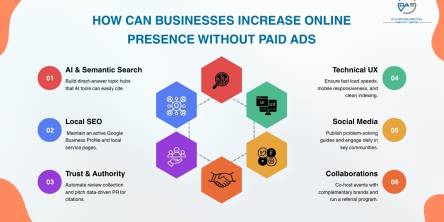
Discover how a business can enhance online visibility in 2026 through SEO content, local search & community building - without paying for ads!

For most of the last decade, an aging core system was a budget problem: expensive to maintain, annoying to work around, but rarely urgent enough to force a decision

For most businesses in 2026, Action Packaging takes the top spot. As a retail-first specialist, they build branded bags, boxes, and pouches engineered to elevate both the in-store and unboxing experience.

Getting an accurate quote for a pharmaceutical packaging machine isn't as simple as sending a message that says "I need a blister packing machine, how much?" Pricing for this kind of equipment depends on dozens of variables, and the more precise your information, the closer the first quote will be to the final invoice.

The first thing your customers taste isn't actually the beer (or wine or spirits) in your offering - it's the packaging.