

When to Repair vs. Replace Your Residential Roof
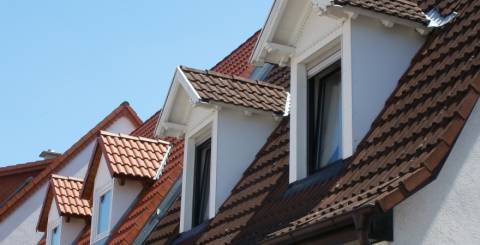
Your roof does a lot of heavy lifting. It keeps you dry during storms, shields your home from the elements, and plays a big part in your home's overall energy efficiency. But like anything else that works hard, it eventually wears out.
So, when something goes wrong up there, such as leaks, missing shingles, or discoloration, how do you know if it’s time for a full replacement or just a straightforward repair?
This decision isn’t always clear-cut. Choosing the right option comes down to several key factors. Let’s walk through them so you can make the smartest choice for your home and your wallet.
How Bad Is the Damage?
This is the first thing to consider when figuring out whether you need a full replacement or repair services from residential roofing experts. Are you dealing with a small leak or a major structural issue?
If it’s limited to one section of the roof—maybe a few missing shingles after a storm or a leak around a chimney—that's typically a repair job. A contractor can patch things up without touching the rest of the structure.
But if the damage is widespread, affecting multiple areas or underlying layers, replacement starts making more sense. Especially if you’re dealing with water damage that’s seeped into insulation or caused rot underneath.
How Old Is the Roof?
Most roofs have a life span. It varies depending on the material, but here’s a rough guide:
● Asphalt shingles - 15 to 30 years
● Wood shingles or shakes - 20 to 40 years
● Clay or concrete tiles - 40 to 50 years
● Metal roofing - 40 to 70 years
● Slate - 50+ years
If your roof is still fairly new and the problem is isolated, repairing it will usually do the trick. But if it's getting close to the end of its expected lifespan, putting money into repairs might just be delaying the inevitable.
There’s also this to think about: if you repair a section of a 20-year-old roof, the new materials won’t match the rest. Visually, that can be a problem. And functionally, too. You end up with mismatched wear levels, which means future issues might keep cropping up.
Are You Seeing Signs Inside the House?
Sometimes, the roof's condition shows up inside your home before it’s obvious from the outside. Water stains on ceilings, bubbling paint, or musty smells in the attic? Those are all signs your roof may be letting moisture in.
Small leaks can usually be sealed, but if you’re seeing signs in multiple rooms, or if mold or insulation damage has started to spread, that’s more serious. In these cases, repairs may not go far enough to fix the root issue.
What’s the Weather Like Where You Live?
Climate matters more than you might think. If you live somewhere with frequent storms, high winds, or heavy snowfall, your roof will wear down faster.
It also affects your decision when repairs become frequent. If you've already had several small fixes after bad weather, and each one costs you time and money, it might be better to just replace the whole thing and reset the clock.
This is especially true in areas where weather events are becoming more severe or unpredictable. A new roof gives you stronger protection and helps prevent those regular emergency fixes.
What Are Your Future Plans?
Thinking of selling your home in the next few years? Your roof’s condition can have a big impact on value. Most buyers don’t want to inherit a roof that’s on its last legs.
A full replacement can be a good investment here, boosting curb appeal and removing a potential sticking point during a sale. But if you're planning to stay put for a while, a well-done repair might be the better, more affordable move.
It comes down to what makes the most sense for your long-term plans. Spending a little now to buy a few more solid years might be all you need. But if you’re going to be in that house for the next decade, replacement could end up being cheaper in the long run.
How Much Is the Repair Going to Cost?
Repairs are typically cheaper than replacements, no question. But it depends on the scope. If you're patching up multiple areas, replacing underlayment, dealing with structural damage, or matching discontinued materials, the cost of repairs can creep up quickly.
That’s why it’s smart to get quotes for both options. Sometimes the repair might only be slightly cheaper than a full replacement. In that case, the new roof, complete with a warranty and better materials, might be the more practical choice.
And keep in mind: a cheaper fix now could lead to more expensive problems later if it doesn’t fully solve the issue.
Don’t Forget the Importance of Regular Maintenance
One of the best ways to delay the need for a full replacement is to stay on top of maintenance. That means clearing gutters, checking for damage after storms, trimming overhanging branches, and inspecting flashings around chimneys and vents.
Regular check-ups help you spot minor issues before they become major ones. They also extend the life of your roof and keep it performing the way it should.
This is especially true for residential roofing, where regular exposure to heat, rain, and UV rays means wear happens gradually. If you catch problems early, repairs are easier, and your roof will last longer.
How to Make the Final Call
The decision to repair or replace comes down to three main things: condition, cost, and context.
● If the damage is isolated, the roof is relatively young, and you haven’t had many issues before, a repair is the way to go.
● If the roof is old, the damage is widespread, or you’ve dealt with several problems over the past couple of years, it might be time to replace it.
And if you’re stuck in between? Get a professional to inspect the roof and break down both options for you. Just make sure they’re being honest and not pushing the more expensive choice just to close a bigger sale.
Think Long-Term, Not Just Short-Term
It’s tempting to go with the cheapest fix, especially when things feel urgent. But roofs are long-term investments. If you only treat the symptoms without addressing the cause, you might find yourself repeating the process more often than you'd like.
A well-informed decision now can save you thousands over the next decade. So take the time to assess, ask questions, and weigh your options.
Similar Articles
Learn 6 practical interior upgrades for your compact roadster, from console shelves to phone mounts, that improve comfort and storage without clutter.

The most reliable way to keep outdoor stone looking its best through spring, summer and fall in 2026 is to match the product to the stain and the surface, rather than rely on a single all-purpose wash

Prepare your condo for professional management with a practical pre-onboarding checklist covering documents, finances, maintenance, and resident communication.
Discover 7 essential questions to ask when choosing a crawl space company for your coastal home, ensuring quality repairs, moisture control, and lasting protection.

A home sauna can sound like a luxury purchase, but for some households it becomes a feature that gets used regularly rather than occasionally. The real question is not whether a sauna is appealing. It is whether the cost makes sense for the way you live.
Learn what to consider before adding a fireplace to an open-plan home, including placement, heat output, furniture, materials, installation and maintenance.
Garage doors are used so frequently that it is easy to overlook the wear and tear they experience. Over time, moving parts can loosen, sensors can become misaligned, and small mechanical problems can develop into expensive repairs.
Most of the decisions that make or break a detached garage happen before a single wall goes up.

If you have ever cleared the dining table for a blow-up mattress, or given up your own bedroom for a week while relatives filled the house, you already understand the problem.