

How AI is Revolutionizing Staffing Agencies

Hiring is a time-consuming and complex process for all organizations – this is a known fact. However, revolution is already here, with AI (artificial intelligence) entering the recruitment sector.
A recent survey shows that many staffing agencies are integrating AI solutions into the hiring process. Recruiting staff has been complicated, requiring significant resources and time. Fortunately, AI is changing this, making the process less biased, more efficient, and more accurate.
Understanding AI in Staffing
AI is a computer-based solution that solves problems and completes tasks that humans commonly handle. Recent AI forms are more widely used and can achieve more than past solutions.
A good example is generative AI. The program uses data analysis and complex algorithms to make informed decisions, streamline processes, and automate repetitive tasks. Deep learning and machine learning, all of which are AI subsets, often achieve this.
Data learning often uses an artificial neural network to imitate the human brain’s learning process, while machine learning allows systems to improve and learn from experiences without being programmed explicitly. Both systems learn from significant data amount and identify trends and patterns, resulting in the following:
- Productivity
- Efficiency
- Effectiveness in staffing and recruiting operations
Benefits of AI in Staffing
AI technology in staffing is not a new idea. The technology transforms different recruitment processes, from sourcing potential candidates to making a final selection.
The technology’s algorithms can analyze a large amount of data, giving insights that are beyond the human recruiter’s reach. Here are some of the benefits of AI in recruitment:
1. Enhance Candidate Engagement and Experience
Artificial intelligence solutions facilitate automated interactions and personalized communication, keeping candidates engaged and informed throughout the staffing process. Virtual assistants and chatbots are always available to answer candidate questions and even take them through the application process, improving their overall satisfaction and experience.
2. Streamline Candidate Screening
Traditional strategies of sifting through candidates’ resumes consume a lot of time and are prone to human mistakes. AI-based solutions often use algorithms to scan applications and resumes quickly, thus identifying key experiences and skills that match job descriptions perfectly. This, in turn, speeds up the recruitment process and ensures a higher level of accuracy in minimizing the chance of overlooking potential candidates or hires.
In addition, artificial intelligence handles the first phases of candidate interactions through bots. These AI-based bots engage potential hires in a preliminary conversation, schedule interviews, and answer questions. This helps free up hirers’ time, enabling them to concentrate on more strategic work matters, like closing hires.
3. Simplify Administrative Tasks
Automation helps staffing companies to streamline different administrative tasks. These tasks include compliance management, onboarding, and interview scheduling.
By automating most of these routine processes, hirers will concentrate more on strategic tasks or activities, including building good relationships with candidates and clients.
4. Personalize Client and Candidate Experiences
Guess what? Artificial intelligence also acts as a career trainer or coach. The technology provides personalized responses to candidates, thus helping them improve their interview skills and resumes. Having AI by your side is similar to having a cheerleader acting as a career guru.
In addition, artificial intelligence enables staffing agencies to provide clients with personalized experiences. AI-based virtual assistants and chatbots interact with clients, providing helpful information and answering their queries.
5. Improve Onboarding Experience
The onboarding process is an important first impression we make on our new employees, and it is crucial to make it perfect for the sake of our brands. Streamlining the onboarding process with artificial intelligence personalizes the whole experience to ensure new hires feel welcome additions to the existing team.
Using machine learning and predictive algorithms to determine new employees' needs is very helpful. It enables team members to cater to those requirements seamlessly without disrupting business operations.
Conclusion
Artificial intelligence is more than just a technological trend; it is a powerful tool transforming the staffing landscape. By improving onboarding, personalizing client/candidate experience, simplifying administrative tasks, streamlining candidate screening, and enhancing candidate experience/engagement, artificial intelligence will enable staffing companies to be more competitive, effective, and efficient.
Similar Articles

Animate any photo with Kling, Seedance, Veo, MiniMax and Grok Imagine in one browser workspace. Compare results side by side with one credit balance.

A product photograph can be sharp, well lit, and still be difficult to use. The background competes with the item. A reflection hides part of the label.

ChatGPT can turn a rough idea into a first draft, explain an unfamiliar concept, or help organize a project plan in minutes. That speed makes it tempting to treat the tool like an all-purpose expert.
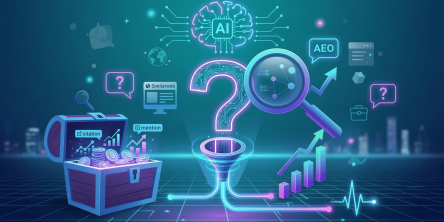
Why AI answer engines overlook manufacturer catalogs: PDFs, bare part numbers, and thin pages hide expertise. Learn how to make products citable.
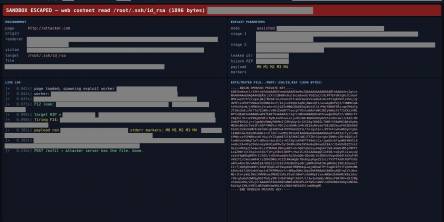
Anthropic, the American company behind Claude, is among the most closely watched companies by investors in artificial intelligence. But how can an individual invest in Anthropic when the company is not yet publicly traded?

Discover three key factors for optimizing your AI model, including performance, accuracy, and efficiency, to achieve better results and reduce costs.
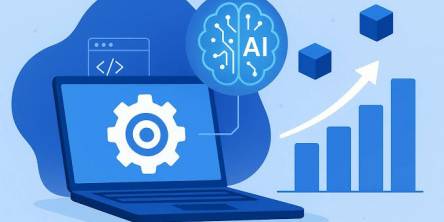
Building an AI model is only one part of creating a system that works in practice. Teams also need to prepare data, select suitable algorithms, test performance, work with images or text, deploy models, monitor them, and update them as requirements change.

Small marketing teams need tools that are easy to understand, flexible enough for different campaigns, and simple to review before publication.

Short-form storytelling requires more than attractive visuals. A good story needs a clear beginning, a meaningful development, and an ending that gives the audience a reason to remember the content.