

Key Considerations for Industrial Evaporators: What to Know Before You Buy

In different sectors such as pharmaceutical, food processing, and chemical engineering among others, industrial evaporators are fundamental. They are useful in the concentration of substances, removal of solvents and enhancing product uniformity. This guide covers some of the most important factors to consider when dealing with lab rotary evaporator suppliers to ensure that you get suitable equipment for your needs.
Different Types
The first step towards selecting an industrial evaporator is identifying the various types available. Common types include rotary evaporators, falling film evaporators and wiped film evaporators. Each type has its own purpose; for instance, rotary evaporator’s work perfectly in laboratory settings for solvent removal because of their efficiency and controlled environment features. Knowing the strengths and limitations helps you make an informed decision that aligns with your process requirements.
Evaporator Capacity
Capacity and efficiency should be considered when selecting an evaporator. The level of capacity must correspond with your operating scale as well as expected solvent load. On the other hand, efficiency determines energy consumption as well as operational costs associated with it. Lab rotary evaporator suppliers can provide performance data which you can use to determine a model that will give you maximum output at minimum energy consumption costs. One should choose an appropriately sized evaporator so that one’s operations are cost effective while still respecting environmental concerns.
Build Quality
A good part of the durability of any given industrial evaporator depends on its build quality and materials used in its manufacture. Industrial evaporation units come into contact with a range of chemicals or substances which can be corrosive or reactive. For this reason it is important to select those made from materials strong enough such as stainless steel or glass based on what fits best for your condition(s). It is crucial that lab rotary suppliers help consult whether the material they are using would last longer thus making sure you maintain a safe working environment.
Supplier Reputation
When purchasing an evaporator for sale, the reputation of lab rotary evaporator suppliers is important. Suppliers with good records will most likely offer equipment of high quality coupled with comprehensive after sales service. This is important when it comes to maintenance, trouble-shooting and ensuring there are no significant downtimes. It’s always worth checking customer testimonials and reviews to gauge the reliability and service quality of the supplier.
Maintenance Requirements
Regular maintenance is crucial for the longevity and performance of industrial evaporators. Assess the ease of maintenance, availability of spare parts, and support from lab rotary evaporator suppliers. Opt for a system with straightforward maintenance protocols to minimize downtime and ensure consistent operational efficiency.
Cost Analysis
Finally, cost implications come into play when deciding on such equipment. Industrial evaporation systems are usually associated with substantial cost hence there is need to assess this against your budget allowance. Besides the initial price of purchase, you should take into account long-term operating costs like regular maintenance, spare parts replacement as well as use of energy among other things Some lab rotary evaporator suppliers provide funding options or consider offering second hand machines which can be more economical than purchasing a new one outright.
It is important for anyone considering acquiring an industrial evaporator to identify their specific needs and alternatives available in order to make an informed decision about what suits them best in terms of type, capacity/efficiency, build/materials, supplier reputation and overall cost. Talking to leading lab rotary evaporator suppliers will give helpful insights so that you end up making the right choice for your industry application thus ensuring satisfaction over time in terms of performance too.
Similar Articles

Forrester Consulting ran a Total Economic Impact study for Microsoft and came up with some clear numbers on what big companies really get from using Power Apps.

Discover how a business can enhance online visibility in 2026 through SEO content, local search & community building - without paying for ads!

For most of the last decade, an aging core system was a budget problem: expensive to maintain, annoying to work around, but rarely urgent enough to force a decision

For most businesses in 2026, Action Packaging takes the top spot. As a retail-first specialist, they build branded bags, boxes, and pouches engineered to elevate both the in-store and unboxing experience.

Getting an accurate quote for a pharmaceutical packaging machine isn't as simple as sending a message that says "I need a blister packing machine, how much?" Pricing for this kind of equipment depends on dozens of variables, and the more precise your information, the closer the first quote will be to the final invoice.

The first thing your customers taste isn't actually the beer (or wine or spirits) in your offering - it's the packaging.

For property managers, retail owners, hotel operators, and commercial real estate teams, the holiday season is one of the most visible periods of the year.

Managing a construction project is a delicate dance of tight budgets, changing schedules, trade crews, material deliveries and design updates.
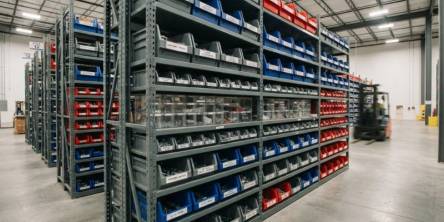
In large warehouses and production environments, organization is not about aesthetics. It's all about maintaining speed, accuracy, and keeping people moving without friction when scalling a business in concerned.