

Brand Names: Shaping Initial Perceptions

Ever wondered why some brand names stick in your mind while others fade away? How can names create such a strong impression and shape perceptions even before a product is experienced? In today's noisy marketplace, the power of brand names cannot be overlooked.
This article will discuss how the name of a product influences consumer perception, various types of brands, and the art of naming brands to ascertain why sometimes getting the right name makes all the difference.
Read more: 5 Reasons Why Brands Matter to Consumers
The Power of a Brand Name
A brand name is not just a label but rather a device that conveys an intrinsic concept of either the product or the company selling it. Very often, it affects consumer behavior and provides value during the purchase decision, thoroughly differentiating a product from its rivals.
That is, a well-chosen brand name will connote quality, trustworthiness, and even innovation, while a poorly chosen one might connote confusion or disinterest. Consider the types of brand names in some of the world's most successful brands. These names don’t just identify; they convey a world of meaning and evoke feelings and associations.
You May Also Like: How to Increase Your Brand Awareness via Social Media
Types of Brands
This is why studying different types of brands and naming conventions is crucial for understanding the role of brand names:
Descriptive Brands
These names describe the product or service clearly. Some names are straightforward, self-explanatory, and leave little to the imagination.
Evocative Brands
Evocative brand names can evoke some imagery or emotion that is relevant to the meaning of the brand. Most successful business names are abstract; however, forging strong emotional links with them is often easier.
Invented Brands
These are unique, invented names that are distinctive and memorable. With the invented name category, quite often, the brand name has no meaning before its adoption. This means there are no preconceived ideas associated with the name, so the brand can define itself.
Acronymic Brands
Acronymic brand names include those initials or abbreviations by which the name of the brand will be called. In most successful brands, names may come in handy for a long company name and can turn out to be memorable over time.
Geographical Brands
These brand names are derived from a location; thereby, authenticity and a sense of place are given to the brand. The geographical name may connote origin, tradition, and quality.
Founder Brands
These brands are named after the company's founder. Founder names can give personal attention and a feeling of heritage to the brand.
The Art of Name Branding
Name branding refers to the strategic procedure of making a brand name that communicates the values, mission, and market position of a company. It has some major steps to be followed, which are as follows:
Research and Understanding
Naming a brand must be preceded by extensive homework. Know your target audience, know your competition, know your central values and USPs. The naming process is driven by base knowledge.
Brainstorming and Creativity
Name branding is related to creativity. Brainstorming sessions must focus on different themes, word combinations, and linguistic styles. A diverse team brings varied perspectives and can add to the quality of creativity.
Screening and Evaluation
Not all names are going to be cut. Screening and evaluation of the generated names should fit into the criteria of memorability, relevance, simplicity, and distinctiveness. Another prime consideration for a company name would be its legal availability and domain name availability.
Test and Get Feedback
Testing a shortlist of names with a sample audience will provide insight. Feedback will fine-tune choices through pronunciation, recall, and emotional response.
Final Selection and Registration
After zeroing in on the best name, a legal registration is necessary to safeguard the brand's identity. Getting the domain name and trademark for the brand name are critical steps to prevent misuse and to retain exclusive rights.
Names That Shape Perception
A brand name's ability to shape first impressions lies in its capacity to convey meaning efficiently. Here are several ways in which a brand name influences consumer perceptions:
First Impressions
The brand name is likely the most visible part of a brand to consumers.
Emotional Connection
Brands with evocative names can make an emotional appeal to consumers.
Brand Promise
Through a well-thought-out brand name, one can deliver the brand promise and immediately give consumers an idea of what to expect.
Differentiation
It is an unforgettable brand name that helps the product stand out in a jam-packed market, cruising past all its competitors.
Perceived Quality
The choice of words, sounds, and even the length of a brand name would influence perceptions of quality.
Cultural Resonance
A culturally relevant brand name can help the cause in its favor.
The Name Branding Process
| Step | Description | Purpose |
| Research and Understanding | Conduct thorough research on the target audience, competitive landscape, and brand values | To build a solid foundation and guide the naming process |
| Brainstorming and Creativity | Generate a wide range of ideas through creative brainstorming sessions | To explore different themes, word combinations, and styles, involving diverse perspectives |
| Screening and Evaluation | Evaluate and screen names based on memorability, relevance, simplicity, and distinctiveness | To shortlist the best names, ensuring they meet key criteria and are legally available |
| Testing and Feedback | Test the shortlisted names with a sample of the target audience | To gather insights on pronunciation, recall, and emotional response, refining the final choices |
| Final Selection and Registration | Choose the best name and legally register it, securing domain and trademark rights | To ensure exclusive rights to the name, protect the brand’s identity, and prevent misuse |
Conclusion
In a nutshell, a brand name is important in setting the first impression. A thoughtfully chosen brand name is an extraordinarily effective tool in the company's branding arsenal to influence consumer behavior, make emotional connections with them, and differentiate from others in the crowded market.
Armed with an insight into the manifold types of brands and mastering the fine art of name branding, a business will not only come up with names that ring a bell in their target audience's minds but convey values, leaving a lasting impression. An engaging brand name is mostly a stepping stone into dynamic branding, toward a successful and long-lasting brand.
FAQs
Why are brand names important?
Brand names are crucial because they serve as the first point of contact between a product and a potential customer, influencing perceptions, emotions, and purchasing decisions.
What are descriptive brand names?
Descriptive brand names clearly describe the product or service, such as General Motors and American Airlines, making it easy for consumers to understand what the brand offers.
What are invented brand names?
Invented brand names are unique, made-up names with no pre-existing meaning allowing the brand to define itself without preconceived notions.
Similar Articles

Explore why women are starting beauty businesses, from lash and nail services to flexible careers, social media branding, and independent entrepreneurship.

Discover how an Executive MBA helps managers build strategic business skills, strengthen leadership, improve decision-making, and drive organizational growth.

Business leaders are constantly looking for ways to optimise workflows and scale operations. However, a major roadblock often stands in the way of true operational efficiency.

Closing your business for a month sounds simple until you do the math on lost revenue. For most business owners, that math doesn't work. So the renovation has to happen around the business, not instead of it.

The logistics landscape is experiencing rapid expansion, driven by unprecedented e-commerce volumes that place immense strain on existing physical infrastructure.

Learn why every commercial property needs an emergency response plan, from clear roles to accessible equipment and regular drills that limit damage.

Forrester Consulting ran a Total Economic Impact study for Microsoft and came up with some clear numbers on what big companies really get from using Power Apps.
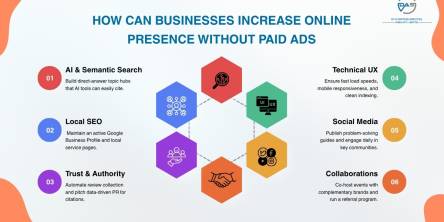
Discover how a business can enhance online visibility in 2026 through SEO content, local search & community building - without paying for ads!

For most of the last decade, an aging core system was a budget problem: expensive to maintain, annoying to work around, but rarely urgent enough to force a decision