

Turning Plans into Reality: A Step-by-Step Guide to Successful Home Construction and Design
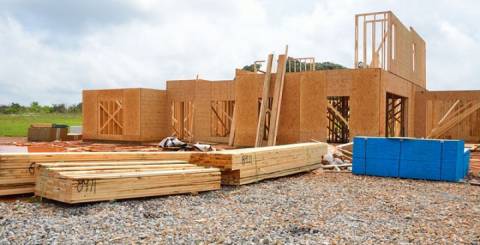
Constructing a home is a monumental task that requires meticulous planning, a solid understanding of the construction process, and a keen eye for design. It's a journey that transforms a vision into a tangible, physical space where memories are made and lives unfold. This comprehensive guide aims to navigate you through the intricate process of home construction and design, ensuring that your project is not only successful but also a reflection of your dreams and aspirations.
Initial Planning and Budgeting
The first step in any home construction project is to establish a clear plan and a realistic budget. Begin by outlining your goals, preferences, and requirements for the new home. Consider factors such as the size, style, location, and any specific features you desire. Next, consult with a financial advisor to assess your funding options and create a budget that encompasses all aspects of the project, including land acquisition, design, construction, permits, and contingencies.
Assembling Your Team
A successful construction project relies on a team of professionals who bring expertise and experience to the table. This team typically includes an architect, a general contractor, and various subcontractors specializing in electrical, plumbing, and other critical fields. It's essential to select individuals and firms with a proven track record and the ability to work collaboratively towards your vision. Conduct thorough interviews, review portfolios, and check references to ensure that your team aligns with your expectations and project requirements.
Design and Architecture
With your team in place, the next step is to develop the architectural design of your home. This phase involves translating your ideas and requirements into detailed plans and drawings. The architect will guide you through design options, material selection, and functionality considerations, ensuring that the design not only meets your aesthetic preferences but also complies with local building codes and regulations. This stage is critical in defining the look and feel of your home, making it essential to communicate openly and frequently with your architect.
Securing Permits and Approvals
Before construction can begin, you must obtain the necessary permits and approvals from local authorities. This process varies depending on your location and the scope of your project but typically involves submitting your design plans for review to ensure they meet zoning laws, building codes, and other regulatory requirements. Your general contractor or project manager can assist with this process, navigating the bureaucratic challenges and ensuring that all paperwork is submitted correctly and on time.
The Construction Process
With permits in hand, construction can commence. This phase is where your plans start to materialize, beginning with site preparation, laying the foundation, and progressing through framing, roofing, and the installation of electrical and plumbing systems. One critical aspect to consider during this phase is the selection of types of air conditioning systems. Given the variety of options available, from central air conditioning to ductless mini-splits, it's vital to choose a system that aligns with your climate needs, budget, and the architectural design of your home.
Interior Design and Landscaping
As the construction of the physical structure concludes, attention shifts to the interior design and landscaping. This stage is about bringing character and life to your home. Interior design encompasses selecting paint colors, flooring, fixtures, and furnishings that reflect your style and enhance the functionality of each space. Meanwhile, incorporating professional landscaping services can significantly enhance the curb appeal and overall value of your property. These experts can design outdoor spaces that complement your home’s architecture and suit your lifestyle, from gardens and patios to walkways and water features.
Financial Management and Documentation
Throughout the construction process, it's crucial to maintain rigorous financial management and documentation. Implementing a schedule of values—a detailed document outlining the project's costs, including labor, materials, and other expenses—can facilitate this. This document serves as a roadmap for managing payments to contractors and subcontractors, ensuring that expenditures align with the work completed, and helping to avoid budget overruns.
Final Inspections and Move-In
As construction nears completion, the final inspections by local authorities ensure that the construction meets all codes and standards. Once cleared, it's time for the exciting step of moving into your new home. Before settling in, conduct a thorough walk-through with your contractor to identify any last-minute adjustments or corrections needed. This step ensures that every detail of your home is exactly as you imagined.
Warranty Period and Post-Construction Support
After moving in, most contractors offer a warranty period during which they address any issues that may arise as the new construction settles. Take advantage of this period to ensure that your home is in perfect condition. Establish a good relationship with your construction team for future maintenance or renovation needs, leveraging their knowledge of your home's construction and design.
To sum up, turning your home construction and design plans into reality is a complex but rewarding process. It requires thorough planning, a dedicated team of professionals, and a deep understanding of your goals and desires. By following this step-by-step guide, you can navigate the construction process smoothly and ensure that the outcome is a beautiful, functional home that reflects your unique vision and lifestyle. Remember, the key to a successful home construction project lies in effective communication, meticulous planning, and a commitment to quality at every stage.
Similar Articles

Australian hardwood presents a very different challenge from the lighter timber commonly used in many parts of the northern hemisphere.

Why Do Concrete Driveways Turn Orange After Summer Rain? Learn the causes—rust, minerals, irrigation—and how to clean and prevent stains.

DIY mistakes can quickly turn a money-saving project into an expensive repair. Learn how better planning, the right tools and knowing when to call a professional can help you avoid costly setbacks.

Modern bathrooms have evolved from purely functional spaces into relaxing retreats that balance comfort, aesthetics, and practicality.

Bathrooms have evolved far beyond their purely functional role. Today, they're carefully designed spaces that reflect personal style while balancing practicality, durability, and long-term value.

A shower door is one of the most dependable shower enclosure options for homeowners who value durability, affordability, and timeless style.

Modern bathrooms are increasingly designed around simplicity, openness, and long-term functionality. One feature that perfectly reflects these priorities is the fixed panel shower screen.

Discover practical tips for landlords to maximize rental income, attract quality tenants, reduce costs, and improve property performance over time.
About 90% of flat roof leaks are due to detailing failures at flashings, penetrations, upstands, and edges - not to the membrane itself (NRCA).