

Mastering The Hybrid Work Model: 7 Tips For Success

The hybrid labor archetype, where personnel divides time between headquarters and remote work, is materializing as the new pattern for numerous enterprises.
This flexible alignment bears advantages like augmented employee satisfaction and more expansive talent pools. However, hybrid work also ushers communication, collaboration, and corporate culture challenges.
Employers and employees can flourish with the hybrid paradigm and accomplish prosperity by abiding by these seven guidelines:
1. Establish Lucid Expectations
Guarantee everyone comprehends policies regarding schedule flexibility, on-location mandates, and remote work norms. Fix core hours for overlapping schedules and furnish substantial forewarning for obligatory on-premises days and institutes expectations around responsiveness for both remote and on-premises time.
Have programs similar to teamViewer ready to provide remote tech support and troubleshooting. Pellucid guidelines and transparency initially impede turmoil downstream.
2. Invest In Collaboration Technologies
The appropriate technology actualizes seamless teamwork across sites. Invest in comprehensive solutions like high-definition video conferencing platforms like Zoom, Microsoft Teams, or Skype to enable straightforward communication between remote and on-location personnel. Cloud-based document-sharing platforms like Google Drive, Dropbox, or SharePoint facilitate real-time collaboration on files and projects.
Interactive virtual whiteboards like Miro replicate brainstorming sessions online. Instant messaging platforms like Slack or Microsoft Teams allow quick inquiries and contact. Ensure all employees receive meticulous training on fully harnessing these tools for hybrid work prosperity.
Designate tech-savvy team members as resources to assist in troubleshooting issues. Collaborative mixed work can truly bloom across distances when the technology is intuitive and has adequate support resources.
3. Prioritize In-Person Connection
Counterbalance remote and site time thoughtfully so opportunities for in-person team building are not forfeited. Utilize headquarters days for brainstorming sessions, project kickoffs, and festivities that harness face-to-face energy. And motivate casual social interactions over coffee or lunch. Remember to consider the merit of in-person bonding.
4. Communicate Proactively
Communication chasms can materialize more straightforwardly with a dispersed team split between headquarters and remote locations. Combat this issue by implementing regular check-ins, both one-on-one and team-wide. Schedule daily stand-up meetings for team members to provide project updates and flag any blocking issues.
Set reminders for weekly individual check-ins between managers and direct reports to touch base on workloads and challenges. Dispatch weekly recaps of enterprise announcements, events, and news to keep remote staff apprised.
Encourage proactive updates in chat channels when progress is achieved, or obstacles arise so all team members have full visibility. Pose clarifying questions over video chat preemptively before disorientation initializes. And take additional care to loop remote staff into impromptu discussions that naturally occur on-premises - provide context afterward if necessary.
With purposefully frequent and exhaustive communication, potential misalignment from the hybrid environment can be circumvented.
5. Construct A Cohesive Culture
Conceive new ways to cultivate an inclusive culture across headquarters and remote locations. Organize digital team-building activities to allow remote contribution, like virtual cooking classes led by a chef online or escape rooms where teams can unravel together on video chat.
Maintain headquarters traditions like launch festivities or achievement revelries virtually on video conference platforms when plausible so remote workers don't feel excluded. Dispatch care packages with enterprise swag to remote workers when on-location staff get them.
Use collaboration tools to spawn channels for social conversations, celebrations, and informal connections for the whole team.
Schedule recurring all-hands meetings for the CEO to update the entire enterprise, including remote workers. Spotlight and extol remote staff successes and milestones in these meetings.
Remind hybrid personnel frequently that they are valued team members regardless of whether they inhabit the headquarters daily or work from home - reinforce that uniform messaging from leadership.
6. Tender Equal Opportunities
Guarantee remote employees have the same career development and growth opportunities as on-location staff. Render mentorship programs are available virtually by pairing remote employees with mentors who can connect via phone or video chat. Tender access to professional development courses or corporate training online for remote employees to construct skills.
Recognize robust work and promote ascending remote staff just as you would for headquarters-stationed employees. Consider remote employees for high-visibility projects or management opportunities.
7. Getting systematic feedback
Typically, it would be best to have regular employee feedback. You should get information about what works well and the areas requiring improvement. This helps in coming up with proper guidelines which are based on ensuring improvements within the business. Also, maintain regular checks to ensure employees conform to the agreed guidelines.
Conclusion
Maintaining flexibility, intention, and investment is critical in properly mastering hybrid work. The organization should ensure they are appropriately positioned to promote future prosperity when engaging in this work.
This is achieved through ensuring that the company attracts the best talent in the market, thus improving productivity. Therefore, having the right strategies is critical to ensuring that the organization's guidelines promote a win-win situation between the employees and the employers.
Similar Articles

Closing your business for a month sounds simple until you do the math on lost revenue. For most business owners, that math doesn't work. So the renovation has to happen around the business, not instead of it.

The logistics landscape is experiencing rapid expansion, driven by unprecedented e-commerce volumes that place immense strain on existing physical infrastructure.

Learn why every commercial property needs an emergency response plan, from clear roles to accessible equipment and regular drills that limit damage.

Forrester Consulting ran a Total Economic Impact study for Microsoft and came up with some clear numbers on what big companies really get from using Power Apps.
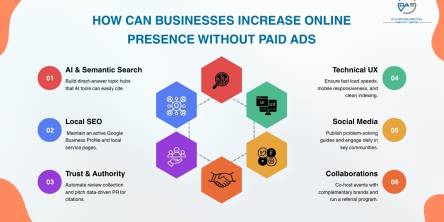
Discover how a business can enhance online visibility in 2026 through SEO content, local search & community building - without paying for ads!
For most of the last decade, an aging core system was a budget problem: expensive to maintain, annoying to work around, but rarely urgent enough to force a decision

For most businesses in 2026, Action Packaging takes the top spot. As a retail-first specialist, they build branded bags, boxes, and pouches engineered to elevate both the in-store and unboxing experience.

Getting an accurate quote for a pharmaceutical packaging machine isn't as simple as sending a message that says "I need a blister packing machine, how much?" Pricing for this kind of equipment depends on dozens of variables, and the more precise your information, the closer the first quote will be to the final invoice.

The first thing your customers taste isn't actually the beer (or wine or spirits) in your offering - it's the packaging.