

6 Facts About Tooth Decay That You Should Know About
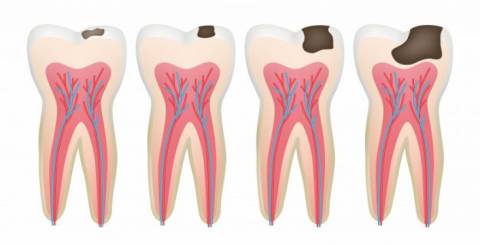
Tooth decay, also known as cavities and caries, is an extremely common condition affecting people worldwide. Even though cavities can develop in both children and adults, many of them are not aware of the causes, prevention, and proper treatment of this condition. That's why it is extremely important to clarify some information about cavities. Here is a list of six facts about tooth decay that you should know about.
1. Tooth decay is caused by bacteria
If you want to avoid the development of cavities, it is essential to know its cause. Tooth decay is a hole in the tooth that occurs when acids soften and eat away tooth enamel. These acids are produced by cavity-causing bacteria that inhabit your mouth.
If you don't maintain proper oral hygiene, you let the bacteria multiply and affect the oral cavity. Poor oral hygiene can lead to cavities and bad breath, gum disease, enamel erosion, gum recession, and dental abscess.
2. Your diet can increase your risk of cavities
Even though certain foods and drinks can't create cavities on their own, they can still promote their development. For example, the increased consumption of sweet, starchy, and sticky foods as well as sweet and acidic drinks, can help feed the cavity-causing bacteria.
That's why it is recommended to limit the consumption of such foods and drinks and rinse your mouth with plain water after meals to remove food leftovers. Eating healthy foods can help prevent bacteria overgrowth and supply your teeth with vitamins and minerals.
3. Tooth decay can develop asymptomatically
There is a common misconception that tooth decay always manifests through a severe toothache. But the reality is that the initial stages of tooth decay can be completely painless. A toothache usually occurs when the cavity becomes deep enough to reach the inner layer of the tooth that contains nerve endings and blood vessels.
To detect and treat tooth decay in its early stages, it is recommended to undergo dental exams at least twice a year. A professional dentist can easily recognize the early signs of tooth decay and perform the treatment.
4. Fluoride can reduce your risk of cavities
Fluoride is a naturally-occurring mineral that can help prevent the development of cavities or even reverse the initial stage of tooth decay. You can get fluoride from the tap or bottled water and use toothpaste and mouthwash with fluoride. If you are prone to tooth decay, you can ask your dentist about a fluoride treatment during which a dental specialist applies high-concentration fluoride to your teeth.
5. A cavity can damage the tooth completely
Many people with advanced tooth decay prefer to take pain medications to ease a toothache rather than visit a dentist for root canal treatment. Unfortunately, such an approach can do more harm than good.
This is because untreated tooth decay can damage the whole tooth, including its roots. In this case, you will need to extract the tooth and replace it with a dental implant or bridge. So if you have noticed any signs of tooth decay, it is better to undergo professional treatment.
6. Only a dentist can treat tooth decay
As mentioned above, pain medications and home remedies can't be deemed effective treatments for tooth decay. Moreover, there are certain pastes on the market that are made to seal a cavity.
But you should understand that tooth filling can be used only if the decayed part of the tooth is removed. Otherwise, the cavity will progress under the filling. A professional dentist can perform proper treatment for tooth decay and recommend effective ways to prevent its development.
Similar Articles
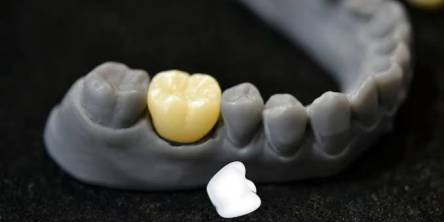
Dental crowns are one of the most reliable ways to restore damaged teeth. Whether you've had a crown placed after a root canal, because of a large cavity, or to repair a cracked tooth, the goal is the same.
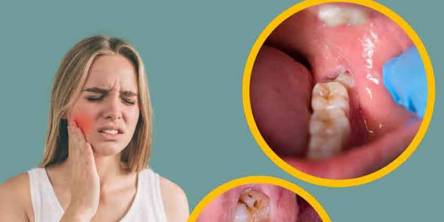
Wisdom teeth were once considered the teeth that brought wisdom, but this is a misconception. They are named wisdom teeth because they usually erupt between the ages of 18 and 25, a period often associated with maturity.

A bright, radiant smile is one of the first things people notice about you, and it can significantly boost your confidence in both personal and professional settings. Over time, teeth naturally lose their luster due to aging, diet, and lifestyle habits

Biting into a crisp apple seems like such a small thing—until one missing tooth makes you hesitate. Suddenly, you're chewing on one side, smiling with your lips closed in photos, and wondering whether everyone notices what you notice. Replacing a missing tooth isn't just about appearance

Gum disease is one of the leading causes of tooth loss in adults. Many people do not realize how serious it can become because the early symptoms often seem minor.

One day, you're biting into a sandwich without a second thought. Next, you're chewing on one side, avoiding mirrors, or wondering when smiling became something you overthink.

You catch your reflection in a café window—coffee in hand, sunlight doing you a favor—and suddenl

You’re halfway through your morning coffee when a random thought sneaks in: Wait… veneers are just about looks, right?

Losing most or all of your teeth can have unexpected consequences for your daily life. Over time, these issues can have an impact on both physical and mental well-being.