

5 Types of Training Every Employee Needs

It’s not enough to just hire staff. If you want your business to succeed, you’ll need to develop your workforce.
By training your employees, you create a driven, confident, and happy team. You’ll see results in your business, staff efficiency, and more.
Employee training can cover several things. It can be held in-house or outsourced, online or in-person, so it can be difficult to know where to start. To help you decide, here are five different types of training to inspire you and your employees.
Orientation
It’s commonplace to have some kind of orientation or induction process for new employees. This is a tour and a brief introduction to the team most of the time. However, you should take this early opportunity to prepare your new employees.
Informing a new employee of your organisation’s structure and policies is just the beginning. You should expand on this and showcase the company’s values, mission, and vision. Plus, taking time to train your new start in their administrative duties will reduce the chance of mistakes later on.
Orientation training can be given by a manager, team leader, or HR representative. Inductions can also include assigning work “buddies” to new employees. This person will show your new start the ropes, help them get involved with your company’s culture, and support daily work activities.
Quality training
Depending on your type of business, you might have some strict procedures to adhere to. To maintain your reputation, your employees must be trained in these practices.
Many companies have accredited ISO standards to prove they are the best in the game. However, to keep these accreditations, companies must continuously demonstrate they are keeping up to date with the ISO standards. One common requirement is employee understanding or training.
Depending on your ISO standards, this can be done in many ways. Employees can watch training videos online, take part in quizzes, or watch a presentation.
First aid qualifications
Every workplace needs a first aid kit and someone in charge of it. The need for a trained first aider will depend on the kind of workplace environment, type of work, and the size of your company. Many businesses are now recognizing the value of enrolling employees in First Aid Training Courses & Certification in Dubai to ensure they meet safety standards and are prepared to handle emergencies effectively.
If you decide you want a dedicated first aider on your team, there are several training courses to choose from. To help determine the best for your company, check out HSE’s helpful guide.
But, the safety of your staff and customers shouldn’t purely rely on your first aider. Ensure you’re covered for any accidents with the relevant insurance and keep up to date with risk assessments.
Team building
The saying goes, “teamwork makes dream work.” Ensuring your employees work together well could make all the difference to your business.
When most of us think of team building, we think of awkward tasks designed to embarrass us. However, it doesn’t have to be like this. Have fun with a team scavenger hunt, quizzes, or even an escape room!
You can outsource this training or organise it yourself. Team-building outings are another excellent way to build team spirit and morale – all while having fun!
Skill workshops
There are countless conferences, training days, and workshops to choose from. These events can be held online or in-person, meaning there is something to suit everyone.
These kinds of workshops can cover various skills – both technical and practical. You might use specific technology or software in your business, so providing relevant training is necessary. Or, you might be looking for the newest marketing advice. No matter what extra help your employee needs, there is undoubtedly a workshop for them.
These kinds of events are great for encouraging employee growth and confidence. Plus, it will promote employee learning, which will benefit your business.
Happy employee, happy business
While many employee training can be expensive, the results are worth it. If you put time and money into your employees, they will recognise this and feel valued. This will encourage them to stay in your company, work harder, and help your business thrive.
No one is an expert without training. Help your employees reach their full potential by supporting them where it matters.
Similar Articles

Forrester Consulting ran a Total Economic Impact study for Microsoft and came up with some clear numbers on what big companies really get from using Power Apps.
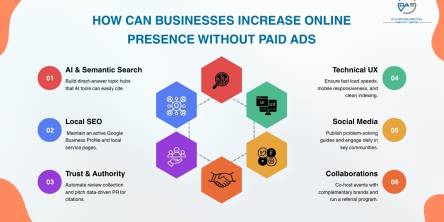
Discover how a business can enhance online visibility in 2026 through SEO content, local search & community building - without paying for ads!

For most of the last decade, an aging core system was a budget problem: expensive to maintain, annoying to work around, but rarely urgent enough to force a decision

For most businesses in 2026, Action Packaging takes the top spot. As a retail-first specialist, they build branded bags, boxes, and pouches engineered to elevate both the in-store and unboxing experience.

Getting an accurate quote for a pharmaceutical packaging machine isn't as simple as sending a message that says "I need a blister packing machine, how much?" Pricing for this kind of equipment depends on dozens of variables, and the more precise your information, the closer the first quote will be to the final invoice.

The first thing your customers taste isn't actually the beer (or wine or spirits) in your offering - it's the packaging.

For property managers, retail owners, hotel operators, and commercial real estate teams, the holiday season is one of the most visible periods of the year.

Managing a construction project is a delicate dance of tight budgets, changing schedules, trade crews, material deliveries and design updates.
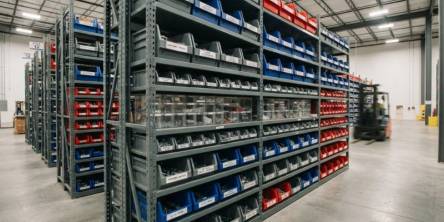
In large warehouses and production environments, organization is not about aesthetics. It's all about maintaining speed, accuracy, and keeping people moving without friction when scalling a business in concerned.