

4 Tips to Improve Tech Recruitment Strategy

Nowadays, tech talent is highly sought-after by numerous companies around the world. The main reason is that almost everything is powered by modern technology these days and companies are in desperate need of tech professionals to help them manage this new technology.
However, 86% of employers claim that they have difficulties hiring the right tech talent. So, what's going on? The fact of the matter is that there's more demand for tech talent than supply. All the big companies have snatched all the talent.
For example, in the U.S. alone, the tech unemployment rate is below 2%. Another reason it's becoming increasingly difficult to hire tech talent is that there are a lot of passive talents, especially programmers.
A lot of these potential hires prefer freelance work and choosing projects on their own terms. Fortunately, 75% of them are actually interested in finding out more about more permanent job opportunities. With that in mind, here are a few tips to help improve the tech recruitment strategy.
Leverage recruitment marketing
As mentioned before, there are a lot of passive potential hires in the tech industry. These talents are interested but not ready to fully commit to job opportunities. That's why you have to pique their interest in recruitment marketing.
This type of marketing is similar to digital marketing but instead of promoting products or services, you're actually promoting job opportunities. However, you have to make them presentable and more than appealing to tech talents.
Potential tech hires know that they won't have to struggle for too long to find employment. After all, all of the tech professions are in high-demand so tech talents have the liberty to choose where they want to work. That's why you have to appeal to them in order to get them interested.
Recruitment marketing is ideally designed for this purpose as you can use various marketing channels from social media to your own website for recruitment. You can use these channels to promote your job openings, company culture, job conditions, and environment, alongside the perks of working for you, of course. The only thing left to do is to craft an exceptional recruitment marketing strategy tailored for tech talents you want to attract.
Understand the tech skills you need
Finding the right employees or talents for the job comes from understanding your needs first. Determining which tech skills your company is in need of will help you understand which talents to recruit. For example, do you need a full-stack developer or just a front-end developer?
Then, which skills should the ideal candidate have to match your criteria? The biggest issue in tech recruitment is that a lot of companies rely on managers and HR departments with little or no tech background whatsoever to do the actual recruiting.
What happens next is that they have no idea what to look for or where. This means that you either end up with an employee who's not suited for the job or with no new employees at all. That's why it's of vital importance to know what you're looking for so that you can actually be able to find it. Otherwise, you're just wasting both time and resources on an ineffective tech recruitment strategy.
Be transparent about benefits
Tech hires and talents want to work for companies where they're allowed to showcase their full potential. They also want to grow, learn new things, and develop new skills along the way.
That's why it's essential that you're transparent about all the benefits your company has to offer. That includes being transparent about salaries, responsibilities, growth opportunities, career advancement, and so on.
For instance, if you're listing all the potential growth opportunities to candidates, make sure you're specific about it. As an example, you allow company employees to specialize in one of the Microsoft Azure fields and you'll enable them to obtain all of the Azure certifications they need to do so.
That way, you can present to candidates that they have options when working at your company and that they may take any path they're interested in while doing so. New opportunities and challenges are appealing to tech talents and they expect nothing less from you.
Understand their needs
As mentioned before, tech hires and talents know that their profession is highly sought-after. This gives them the power to be picky when deciding which company they want to work for. Like online consumers, they also have needs, expectations, demands, and preferences.
You have to cater to those needs if you wish to improve your tech recruitment. That said, we've established that growth opportunities and challenges are some of the things that tech talents expect but what else do they need?
This is something you have to find out on your own based on which tech skills you're looking for. However, there are a few common things every tech hire is looking for when considering employment. Here are a few examples.
- Cultural fit – Many tech talents seek companies that foster a company culture they can relate to.
- Good compensation – This one is obvious but salaries aren't always the top priority for tech talents.
- Ideal work environment and conditions – A work environment equipped with the right technology and tools.
- Flexibility – Opportunity to enjoy flexible work hours, remote work, and any other perks that may help tech talents achieve work-life balance.
- Bonuses – Rewards for achieving milestones and bonuses for good performance.
Improving tech recruitment isn't as difficult as it may seem. Your company must determine its needs, as well as the needs of your potential hires so that the recruitment process can become more seamless. Ideal tech talents may be difficult to find but they are out there if you know how and where to look for them.
Similar Articles

Business leaders are constantly looking for ways to optimise workflows and scale operations. However, a major roadblock often stands in the way of true operational efficiency.

Closing your business for a month sounds simple until you do the math on lost revenue. For most business owners, that math doesn't work. So the renovation has to happen around the business, not instead of it.

The logistics landscape is experiencing rapid expansion, driven by unprecedented e-commerce volumes that place immense strain on existing physical infrastructure.

Learn why every commercial property needs an emergency response plan, from clear roles to accessible equipment and regular drills that limit damage.

Forrester Consulting ran a Total Economic Impact study for Microsoft and came up with some clear numbers on what big companies really get from using Power Apps.
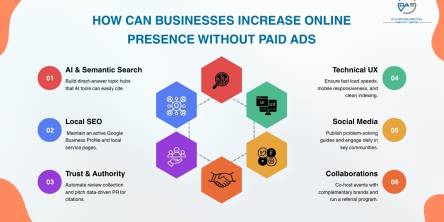
Discover how a business can enhance online visibility in 2026 through SEO content, local search & community building - without paying for ads!

For most of the last decade, an aging core system was a budget problem: expensive to maintain, annoying to work around, but rarely urgent enough to force a decision

For most businesses in 2026, Action Packaging takes the top spot. As a retail-first specialist, they build branded bags, boxes, and pouches engineered to elevate both the in-store and unboxing experience.

Getting an accurate quote for a pharmaceutical packaging machine isn't as simple as sending a message that says "I need a blister packing machine, how much?" Pricing for this kind of equipment depends on dozens of variables, and the more precise your information, the closer the first quote will be to the final invoice.