

Top Tips for Choosing a Mattress

1. Learn About Some Of The Different Materials
Prior to purchasing, you want to get familiar with the different types of mattresses that are available and how they are built.
- Innerspring mattresses rely on the use of coils which typically provide more bounce and firm support.
- Latex mattresses are much more bouncy and they are more responsive than spring mattresses. You will also find these mattresses sleeping much cooler.
- Memory foam mattresses are designed to conform to the body. Therefore, it can relieve some pressure on the pressure points on the body and joints. A lot of people find that memory foam mattresses sleep very warm.
- Hybrid mattresses usually have both memory foam layers and latex layers on top of an innerspring mattress. The main goal of these mattresses is usually to provide much more of a mix of soft comfort and firm support.
Air mattresses utilize an air pump in order to get inflated. You are able to change the amount of air in the mattress in order to achieve your desired level of firmness. You will find different sides of the bed offering a separate chamber which means two sleepers will be able to achieve their desired level of firmness.
You will find the majority of mattresses being rated based on how firm they are. For most, you will find an older mattress or one that is too soft to not offer enough spinal support for the average sleeper.
2. Ask Your Health Provider
One of the key things you should be doing is discussing your best options with your healthcare provider. This is especially true if you have any sort of back pain, a neck condition, or anything else in which sleeping could negatively affect it. Asking your doctor or your physical therapist can be a good way to find something that comes recommended for you. Ideally, you want to try to find a bed that will put your neck and your lower back in a neutral position when you are lying down on it. This will ensure that you are able to achieve optimal spinal alignment. While your doctor is very unlikely to be a mattress expert, they should have a good idea of what type of mattress you should be looking for based on your medical history.
3. Visit Stores
You should be checking out physical stores when you are looking to get a mattress. Try to give yourself a lot of time to check out the different options available. Don't be afraid to take off your shoes and to physically lay down on the various mattresses that you are considering for a minimum of 10 minutes each. This is something that you want to take seriously, so you should be willing to do your due diligence.
4. Be Aware Of Gimmicks
You want to avoid falling into the trap of listening to marketing jargon. A lot of brands will feature things like "orthopedic" or "medically-approved" on their labels. These things are not real designations. Therefore, you shouldn't allow them to influence your purchasing decision.
5. Firm Mattresses Aren't Always Better
Keep in mind, firm mattresses aren't always going to be better. Research has shown that those with lower back pain would benefit from having a medium-firm mattress over a firm one. Therefore, you want to ensure you aren't choosing one that is firm simply because you assume its better. Also, keep in mind, there is a difference between support and a mattress that is firm but uncomfortable. You want to find a mattress with firm support, but a comfortable feel. Comfort is subjective, so you will have to decide which one is comfortable based on personal preference.
6. Read Reviews
Try not to worry too much about mattress brands' marketing and their own hype. Instead, you want to look for unbiased reviews from real customers and mattress reviewers like these Arhaus reviews. That way, you will be able to see whether or not it lives up to the marketing hype. Looking at real reviews including the positive and negative can help you make a much more informed purchasing decision.
Similar Articles

Rectification of exterior cladding may be required during the lifetime of a building for several reasons: to replace non-compliant cladding/combustible panels, to repair damage, to improve energy efficiency, or to modernise an older building.

A tunnel greenhouse is designed to provide years of growing space, but not every part of the structure has the same lifespan.

Australian hardwood presents a very different challenge from the lighter timber commonly used in many parts of the northern hemisphere.

Why Do Concrete Driveways Turn Orange After Summer Rain? Learn the causes—rust, minerals, irrigation—and how to clean and prevent stains.

DIY mistakes can quickly turn a money-saving project into an expensive repair. Learn how better planning, the right tools and knowing when to call a professional can help you avoid costly setbacks.
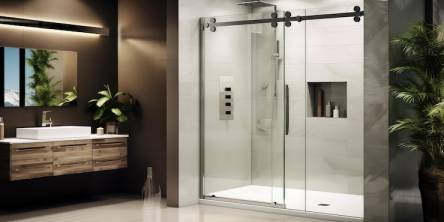
Modern bathrooms have evolved from purely functional spaces into relaxing retreats that balance comfort, aesthetics, and practicality.
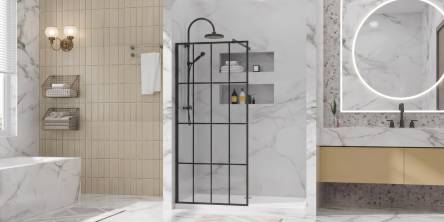
Bathrooms have evolved far beyond their purely functional role. Today, they're carefully designed spaces that reflect personal style while balancing practicality, durability, and long-term value.
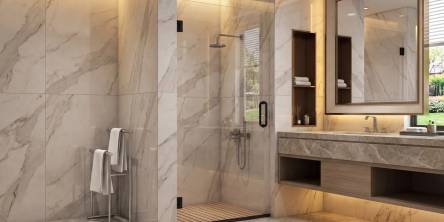
A shower door is one of the most dependable shower enclosure options for homeowners who value durability, affordability, and timeless style.
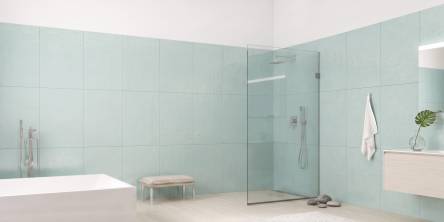
Modern bathrooms are increasingly designed around simplicity, openness, and long-term functionality. One feature that perfectly reflects these priorities is the fixed panel shower screen.