

Ketogenic Diet Benefits - Why This Low-Carbohydrate Lifestyle Is Gaining Popularity
Abstract
The ketogenic diet, commonly known as the Keto Diet, is a high-fat, moderate-protein, and very low-carbohydrate dietary approach designed to shift the body's primary energy source from glucose to fats. By significantly restricting carbohydrate intake, the body enters a metabolic state called ketosis, wherein fat-derived ketone bodies become the principal fuel. The ketogenic diet was developed as a therapeutic dietary intervention specifically for the management of drug-resistant epilepsy. The keto diet has gained widespread popularity for weight management and its potential benefits in certain metabolic and neurological disorders. However, its implementation requires careful planning and individualisation to ensure nutritional adequacy and long-term sustainability. From an Ayurvedic standpoint, the keto diet can be interpreted through the principles of Agni (digestive fire), Meda Dhatu (adipose tissue), and Dosha balance, highlighting both its therapeutic potential and limitations.
Introduction
The modern lifestyle is characterised by excessive consumption of refined carbohydrates and calorie-dense foods, contributing to the rising prevalence of obesity, diabetes, and metabolic disorders. In response, various dietary strategies have emerged, among which the ketogenic diet has received significant scientific and public interest. While currently hyper-popularised by the wellness industry for aesthetics, the Keto diet was originally formulated in the 1920s by Dr. Russell Wilder at the Mayo Clinic as a highly effective clinical treatment for drug-resistant epilepsy in children. The ketogenic diet involves restricting carbohydrates to approximately 5–10% of total daily calories while increasing dietary fat intake to nearly 70–80% of energy requirements. This macronutrient composition induces profound metabolic changes that encourage the body to utilise stored fats as an alternative source of energy. Unlike conventional calorie-restricted diets, the keto diet primarily focuses on altering metabolism rather than simply reducing food intake. Its effects extend beyond weight management and have attracted attention in the fields of neurology, endocrinology, and metabolic medicine.
The Biochemistry of Ketosis
To truly understand the Keto diet, one must look at how the body adapts to starvation. Under normal dietary conditions, the human body breaks down carbohydrates into glucose, which serves as the primary energy currency for cellular function. When glucose enters the bloodstream, the pancreas releases insulin to usher it into cells. When carbohydrate intake is severely restricted—typically to fewer than 50 grams of net carbs per day—insulin levels plummet. This drop in insulin signals the adipose tissue (fat stores) to begin lipolysis, the process of breaking down stored fat into free fatty acids. These fatty acids travel to the liver, where they undergo beta-oxidation and are converted into three distinct water-soluble molecules known as ketone bodies:
- Acetoacetate: The primary ketone produced by the liver.
- Beta-Hydroxybutyrate (BHB): The most abundant and stable ketone that circulates in the blood, serving as an incredibly efficient fuel source for the brain and muscles.
- Acetone: A volatile byproduct excreted through the breath, often causing the distinct "fruity" or "keto breath" in the initial weeks.
Once the brain and peripheral tissues adapt to utilising BHB and acetoacetate instead of glucose, the individual is in a state of sustained nutritional ketosis.
Principles of the Keto Diet
The keto diet is characterised by
- Very low carbohydrate intake
- High consumption of healthy fats
- Moderate protein intake
- Elimination of refined sugars and processed carbohydrates
- Reliance on nutrient-dense whole foods
The primary objective is to maintain a state of nutritional ketosis while preserving muscle mass and promoting efficient fat utilisation.
Types of Keto Diet
- Standard Ketogenic Diet (SKD): This is the most commonly practised form and consists of very low carbohydrates, moderate protein, and high fats.
- Cyclical Ketogenic Diet (CKD): This approach alternates periods of strict ketosis with planned higher-carbohydrate days.
- Targeted Ketogenic Diet (TKD): Carbohydrates are consumed around exercise sessions to support athletic performance while maintaining ketosis.
- High-Protein Ketogenic Diet: This variation increases protein intake while still restricting carbohydrates and maintaining substantial fat intake.
Foods Commonly Included in the Keto Diet
Typical foods consumed in a ketogenic diet include
- Healthy oils and fats
- Nuts and seeds
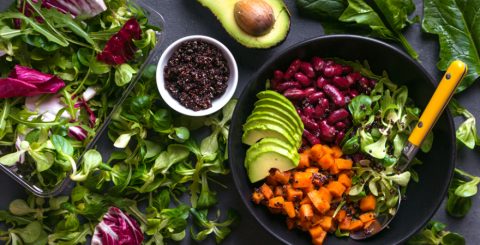
- Avocados
- Eggs
- Fish and seafood
- Meat and poultry
- Full-fat dairy products
- Non-starchy vegetables
- Herbs and spices
Foods generally avoided include:
- Sugars and sweetened beverages
- Grains and cereals
- Bread and bakery products
- Most fruits
- Starchy vegetables
- Processed foods rich in carbohydrates
Macro-Nutrient Architecture
Achieving and maintaining ketosis requires a precise distribution of daily caloric intake, which differs significantly from standard low-carb diets.
- High Dietary Fats: Fats constitute roughly 70% to 80% of daily calories. The focus is placed on healthy fats, including monounsaturated and saturated fats from sources like avocados, extra virgin olive oil, grass-fed butter, ghee, coconut oil, nuts, and fatty fish.
- Moderate Protein: Protein is deliberately kept moderate, hovering around 15% to 20% of daily calories. This is a common point of confusion; Keto is not a high-protein diet. If protein intake is too high, the liver converts excess amino acids into glucose through a metabolic pathway called gluconeogenesis, which can inadvertently kick the body out of ketosis.
- Minimal Carbohydrates: Carbohydrates are restricted to roughly 5% to 10% of total daily intake. This category is almost exclusively filled with non-starchy, fibrous vegetables like leafy greens, broccoli, zucchini, and cauliflower.
Beyond Weight Loss: Unique Clinical Benefits
While most people adopt the Keto diet to drop clothing sizes, the systemic changes occurring at a cellular level offer far more profound therapeutic benefits.
- Downregulation of Chronic Inflammation: Beta-hydroxybutyrate (BHB) is not just a fuel molecule; it acts as a signalling molecule. Research shows that BHB actively blocks the NLRP3 inflammasome (NOD-like receptor family pyrin domain-containing 3 inflammasome), a complex protein cascade responsible for triggering systemic inflammation. This explains why many individuals report a massive reduction in joint pain and inflammatory skin conditions while in ketosis.
- Cellular Autophagy and Longevity: The restriction of carbohydrates mimics the cellular state of fasting. This suppression of the mTOR (mammalian target of rapamycin) pathway triggers autophagy—the body's internal recycling system that clears out damaged proteins, dysfunctional mitochondria, and cellular debris, effectively promoting cellular rejuvenation.
- Brain Up-Regulation and Cognitive Clarity: Unlike fatty acids, ketone bodies can easily cross the blood-brain barrier. Ketones provide a highly stable, consistent energy source for neurons, preventing the cognitive "crashes" associated with fluctuating blood sugar. Furthermore, ketosis shifts the balance of neurotransmitters in the brain, increasing the production of GABA (an inhibitory, calming neurotransmitter) relative to Glutamate (an excitatory neurotransmitter), leading to heightened focus and decreased anxiety.
Hidden Pitfalls and the "Keto Flu
Transitioning from a lifetime of glucose-burning to fat-burning is a drastic metabolic shift that often comes with a biological tax. During the first 3 to 7 days, as insulin levels drop, the kidneys undergo a rapid shift known as the natriuresis of fasting. Because insulin causes the kidneys to retain sodium, dropping insulin levels cause the body to rapidly flush out water and vital electrolytes (sodium, potassium, and magnesium). This sudden imbalance triggers the "Keto Flu," characterised by brain fog, muscle cramps, fatigue, headaches, and irritability. While easily remedied by aggressively supplementing with unrefined salt and minerals, it remains a primary reason individuals abandon the diet prematurely.
Challenges and Potential Side Effects
- Initial Adaptation Symptoms: During the early stages, individuals may experience fatigue, headaches, irritability, and reduced energy, often referred to as the "keto flu."
- Nutritional Deficiencies: Restricting multiple food groups can increase the risk of inadequate intake of fiber, vitamins, and minerals.
- Digestive Disturbances: Constipation and gastrointestinal discomfort may occur due to reduced fiber consumption.
- Sustainability Concerns: The highly restrictive nature of the diet may make long-term adherence difficult for some individuals.
- Individual Variability: Responses to the ketogenic diet differ considerably according to age, activity level, metabolic status, and underlying health conditions.
Who Should Exercise Caution?
The ketogenic diet should be undertaken carefully in individuals with:
- Liver disorders
- Pancreatic diseases
- Certain metabolic abnormalities
- Pregnancy and lactation
- History of eating disorders
- Medical conditions requiring individualised nutritional management
Professional guidance is advisable before initiating the diet.
The Ayurvedic Perspective on Ketosis
Ayurveda, a medical system originating over 5,000 years ago, analyses health through the balance of three vital energies or Doshas: Vata (air/space, governing movement), Pitta (fire/water, governing metabolism), and Kapha (earth/water, governing structure). It also places immense emphasis on Agni (the metabolic digestive fire) and the elimination of Ama (toxic, undigested metabolic waste). When we cross-reference the modern mechanics of the Keto diet with Ayurvedic philosophy, we find profound conceptual alignments—and some critical warnings.
- Ketosis as a Form of Langhana and Deepana: In Ayurveda, therapeutic depletion or fasting is known as Langhana. When the body is deprived of its usual heavy, sweet carbohydrates, the digestive fire (Agni) looks inward. It begins to digest stored fat and metabolic sludge (Ama). The Keto diet can be viewed as an intensive Langhana treatment that kindles Agni to burn through deep-seated metabolic congestion. This explains why it is incredibly effective for modern Kapha conditions like obesity, fatty liver, and sluggish insulin response.
- The Heavy Reliance on Ghee and Majja: Ayurveda has always revered high-quality fats, particularly Ghee (clarified butter), classifying them as Snehana (oleation therapy). Ghee is known to directly nourish the brain, nerves, and bone marrow (Majja Dhatu). The Keto diet's focus on heavy fats matches Ayurveda’s use of internal oleation to lubricate the tissues, calm the nervous system, and flush fat-soluble toxins from the deep tissues out into the digestive tract for elimination.
The Dosha Dilemma: Who is Keto For?
Ayurveda teaches that no single diet fits every individual. This is where modern Keto often stumbles, treating everyone with a blanket protocol. From an Ayurvedic standpoint, Keto acts differently on each Dosha:
- Kapha Types (The Winners): Individuals with a dominant Kapha constitution naturally tend toward sluggish metabolisms, water retention, and weight gain. For them, Keto acts as a sharp, stimulating wind that dries up excess moisture and melts away heavy, stagnant tissue.
- Pitta Types (The Risk): Pitta is inherently fiery and acidic. A strict Keto diet high in sharp spices and highly processed oils can severely aggravate Pitta, leading to systemic acidity, skin rashes, liver inflammation, and intense irritability. A Pitta-friendly Keto diet must emphasise cooling fats like avocado oil, coconut oil, and ghee alongside plenty of bitter greens.
- Vata Types (The Danger Zone): Vata individuals are naturally thin, dry, hyperactive, and prone to anxiety and constipation. While the heavy fats of Keto can initially ground a Vata person, the absolute elimination of sweet, grounding, root vegetables and grains eventually causes Vata to spike. The intense catabolic nature of ketosis can deplete their already fragile tissue mass, leading to severe dry skin, chronic constipation, and heightened nervous anxiety.
Harmonising Keto and Ayurveda: An Integrated Approach
- To practice the Ketogenic diet sustainably without burning out your internal vitality (Ojas), you can integrate Ayurvedic wisdom to soften its harsh edges. Instead of relying on processed cheeses, commercial bacon, and inflammatory seed oils (like canola or soybean oil), build your Keto diet using Satvic (pure, life-giving) fats. Ghee, coconut oil, fresh avocados, and cold-pressed sesame oil nourish the body without clouding the mind.
- Furthermore, use digestive spices (Deepana and Pachana herbs) to assist the liver and gallbladder in processing the massive influx of dietary fats. Incorporating ginger, cumin, fenugreek, coriander, and turmeric into Keto meals prevents the heavy, stagnant feeling that often accompanies high-fat eating, ensuring that fats are cleanly metabolised rather than turning into new Ama (toxins).
- Finally, honour cyclical eating. Ayurveda firmly stands against permanent, extreme dietary restriction. Instead of staying in deep ketosis indefinitely, consider utilising a cyclical approach: enter ketosis during the late winter and spring to melt away accumulated Kapha, and gently reintroduce whole, complex grains and seasonal fruits during the hot summer and dry autumn months to pacify Pitta and Vata.
Conclusion
The Ketogenic diet is far more than a superficial weight-loss trend; it is a profound metabolic intervention that radically alters cellular energy production, suppresses chronic inflammation, and sharpens cognitive output. However, its modern execution can often be overly rigid, cold, and reductionist. By layering the ancient, personalised wisdom of Ayurveda over the biochemical framework of ketosis, we transform a strict, potentially depleting diet into a mindful, therapeutic tool. True health is not found in an eternal state of metabolic restriction, but in cultivating flexibility—using the fire of ketosis to cleanse the body when needed, while honouring our unique elemental constitutions to maintain long-term vitality, balance, and harmony.
Similar Articles
Diet plays a fundamental role in maintaining health, preventing chronic diseases, and supporting overall well-being.

The winter season brings chilly mornings, shorter days, and a natural shift in our eating and lifestyle habits. While many people focus on protecting their skin or boosting immunity during winter, gut health often gets overlooked.

Coping with Ulcerative Colitis can be challenging, and many people look toward gentle, natural pr

Fatty liver, known as Yakrit Roga in Ayurveda, occurs when excessive fat accumulates in the liver cells. This condition is becoming increasingly common due to sedentary lifestyles, poor diet, stress, and unhealthy eating habits.

Epilepsy is a chronic neurological condition marked by recurrent seizures — sudden bursts of electrical activity in the brain that can cause changes in behavior, awareness, or movement.

The ketogenic diet is one of the most popular dietary patterns globally, primarily adopted for weight loss. It is a high-fat, low-carbohydrate, and moderate-protein eating plan that promotes the production of ketones in the liver.

When it comes to achieving fitness and health goals, selecting the right diet plan can be challenging. Among the myriad of options available, the CICO (Calories In, Calories Out) diet and the KETO (Ketogenic) diet are two popular approaches.

Boost your health with nutrient-rich fruits and vegetables! Discover the best options to enhance immunity, energy, and overall well-being in your daily diet.

Diet and energy metabolism have been shown to affect gene expression greatly, which in turn influences human health and disease. Epigenetics serves as a mechanistic link between energy metabolism and gene expression control.