

How to Choose a Reliable Hot Water System: A Comprehensive Guide
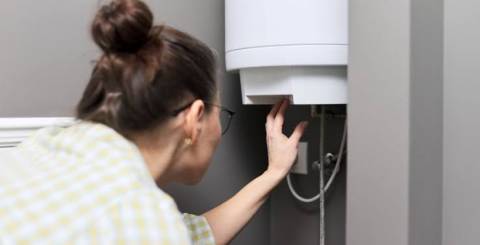
Choosing the right hot water system for your home is an important decision that can significantly impact your energy bills, comfort, and convenience. There are many leading brands in the industry that understand the challenges homeowners face with hot water systems when navigating the myriad of options available today. This guide will help you understand how to choose a reliable hot water system that meets your needs and provides consistent performance.
Understanding Your Hot Water Needs
Before diving into the different types of hot water systems, it's crucial to assess your household's specific hot water requirements. Consider the following factors:
- Household Size and Usage: The number of people in your household and their daily hot water usage patterns will influence the size and type of system you need. Larger families or those with high hot water demand may require a more robust system.
- Climate and Location: Your geographic location and climate can affect the efficiency and performance of your hot water system. For instance, solar systems are more effective in sunny regions, while heat pump systems are better suited for moderate climates.
- Energy Source Availability: Determine which energy sources are readily available in your area—electricity, natural gas, solar, or propane. Some systems are more cost-effective depending on the local energy rates and availability.
- Budget Considerations: Factor in both the initial cost of the system and the ongoing operational costs. A higher upfront investment might lead to savings in the long run due to increased efficiency and lower energy bills.
Read more: 2 Water Heaters You Need in Your Home
Types of Hot Water Systems
Once you've assessed your needs, it's time to explore the different types of hot water systems available. Here are the most common options:
1. Traditional Tank Water Heaters
Tank water heaters are the most traditional option, storing and heating a large volume of water in a reservoir. They are available in electric and gas models.
- Pros: Generally cheaper to install, widely available, reliable for consistent hot water supply.
- Cons: Less energy-efficient due to standby heat loss, larger space requirement.
2. Tankless Water Heaters
Tankless or on-demand water heaters heat water only when needed, thus providing a continuous supply without storing it.
- Pros: Higher energy efficiency, space-saving, reduced energy bills over time.
- Cons: Higher upfront cost, potential limitations on simultaneous water usage.
3. Heat Pump Water Heaters
Heat pump water heaters, also known as hybrid systems, use electricity to move heat from the air or ground to heat the water, making them highly efficient.
- Pros: Extremely energy-efficient, lower operational costs, environmentally friendly.
- Cons: Higher initial cost, performance can be affected by ambient temperatures.
4. Solar Water Heaters
Solar water heaters use solar panels to capture energy from the sun, which is then used to heat the water.
- Pros: Renewable energy source, low operating costs, ideal for sunny climates.
- Cons: High installation costs, efficiency depends on sunlight availability, may require a backup system.
5. Condensing Water Heaters
Condensing water heaters are a type of gas water heater that captures and reuses heat from exhaust gases.
- Pros: Highly efficient, can be a good option for homes with high gas usage.
- Cons: More expensive than traditional gas heaters, requires a proper venting system.
You May Also Like: Should You Replace Your Water Heater Or Hire a Plumber?
Key Considerations for Reliability
When determining how to choose a reliable hot water system, consider the following aspects:
- Energy Efficiency: Look for systems with high Energy Factor (EF) ratings, which indicate better efficiency. Energy-efficient systems can significantly reduce your energy bills.
- Warranty and Lifespan: Consider the warranty offered by the manufacturer. A longer warranty often indicates a more reliable product. Also, research the expected lifespan of the system.
- Maintenance Requirements: Some systems require more maintenance than others. Determine if you are comfortable with the maintenance demands or if it fits within your budget to hire professionals for routine upkeep.
- Brand Reputation: Choosing a reputable brand like Hot Water System ensures quality and reliability. Look for reviews and ratings from other customers to gauge their satisfaction.
- Installation and Space: Ensure that the system you choose fits within the space you have available and that installation costs are considered. Some systems, like solar panels, require specific installation conditions.
Making the Final Decision
After considering your household needs, budget, and the pros and cons of each type of system, you should have a clearer idea of which hot water system is right for you. Whether you prefer the energy efficiency of a heat pump water heater or the continuous supply of a tankless system, make sure the choice aligns with your long-term goals and life.
Similar Articles

Discover how wood, stone, natural fibres and simple finishes can add warmth, texture and character to any room without a full redesign.

Learn how to decide between roof repair and replacement by understanding leaks, shingle wear, attic clues, and other signs of roof damage.

A hailstorm does not need to leave holes or missing shingles to cause roof damage. Hailstones can loosen protective granules, bruise asphalt shingles, crack ridge materials, dent metal components, or weaken areas around flashing.

Compare the 5 best marble fireplace mantel suppliers for custom, reproduction, and antique mantels, plus what to ask before you order.

Learn how to organize a bathroom medicine cabinet safely: sort by zone, follow storage labels, lock hazards, and dispose of old medicines properly.

Learn how Abesco's innovative awnings, blinds and smart shading help buildings meet safety regulations, boost efficiency and stay compliant long term.

Most people hire a skip bin for the first time in the middle of a project that has generated more

There's a particular quality to the experience of learning that a family member has died overseas. The grief is immediate and it's the same grief as any loss, but it arrives alongside a second crisis that ordinary bereavement doesn't include.

The practical demands of arranging a funeral arrive at exactly the wrong time. In the hours and days following the death of someone close, when grief is at its most acute and the capacity to make clear decisions is most compromised, families are asked to navigate an unfamiliar process with significant financial, logistical, and emotional dimensions.