

Creative Ways to Repurpose and Recycle Old Quilt Covers

What do you do with old quilt covers after you’ve used and abused them for several years? Well, for starters, you’ve got to shop for some brand-new king size quilt covers, and then you need to roll your sleeves up for some fun DIY projects that will help you recycle any old covers. These textiles shouldn’t have to end up in a landfill when you can still repurpose them into a variety of other items around the house. And just what can you do with these old fabrics? Here are some ideas that can help inspire your creativity in recycling.
Of course, the simplest and most straightforward thing you can do is to reuse the fabric for new sewing projects. Quilt covers tend to run big, so their large size can provide you with enough material for creating any of the following:
- Cut out sections to create pillow covers or cushion covers that will add a touch of coordinated style to either your bedroom or living room.
- Craft some tote bags or reusable shopping bags that aren’t just eco-friendly but also cute and colourful. You can either keep the bags or give them away to friends as gifts.
- Make patches out of any interesting patterns or motifs in the fabric and use them for clothing repairs or embellishments to add pops of colour to plain clothes.
- Use the fabric to make comfy pyjamas for both adults and kids. Won’t it be cute to have a matching set for your entire family?
- Transform the quilt cover into colourful placemats or tablecloths that can add a vintage flair to your dining room. You can even repurpose them into your everyday dinner napkins.
- If the fabric is still in relatively good condition, you can turn it into window treatments or curtains. The soft texture and patterns of the cloth can make any room look cosy.
- If it’s too worn to be repurposed for clothing, you can cut the cover into smaller pieces and turn them into reusable dust rags or cleaning cloths. You’ll be saving a lot of paper towels this way.
- If you have a pet, you can cut the quilt cover into the appropriate size and then stuff it with some fabric scraps to make a cosy pet bed.
- In case you’re feeling particularly creative or the cover happens to have some sentimental value, you can cut and frame a section of it, then hang it up as an art piece. It could definitely be a conversation starter.
- Sturdier quilt covers can be used to create fabric storage containers or baskets for organising small items. You can even use them for storing dirty laundry.
- You can reuse small portions of the cloth to wrap gifts in.
- Finally, if you have multiple quilt covers for recycling, cut them up into squares, then sew them together to make a new patchwork blanket.
If it turns out that your old covers can no longer be successfully repurposed for your home, then drop them off at a recycling centre that can process textiles. Some animal shelters may also take the covers for use as bedding, so contact your local shelters and ask around. You can also consider using the quilt cover for composting if it’s made out of a natural fibre like cotton since it will break down by itself if given enough time.
You don’t have to say goodbye to your old quilt covers as long as you can think of creative recycling ideas for them. And if you want to say hello to new covers, check out the awesome offerings on the Sheridan website today.
Similar Articles
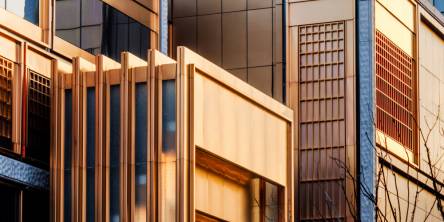
Rectification of exterior cladding may be required during the lifetime of a building for several reasons: to replace non-compliant cladding/combustible panels, to repair damage, to improve energy efficiency, or to modernise an older building.

A tunnel greenhouse is designed to provide years of growing space, but not every part of the structure has the same lifespan.
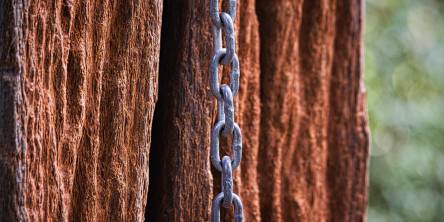
Australian hardwood presents a very different challenge from the lighter timber commonly used in many parts of the northern hemisphere.
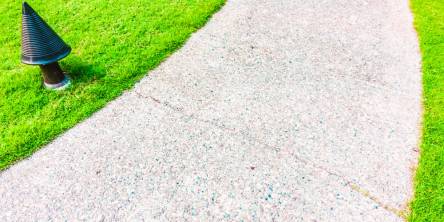
Why Do Concrete Driveways Turn Orange After Summer Rain? Learn the causes—rust, minerals, irrigation—and how to clean and prevent stains.

DIY mistakes can quickly turn a money-saving project into an expensive repair. Learn how better planning, the right tools and knowing when to call a professional can help you avoid costly setbacks.
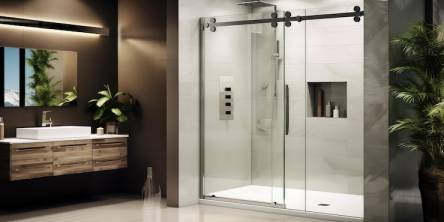
Modern bathrooms have evolved from purely functional spaces into relaxing retreats that balance comfort, aesthetics, and practicality.
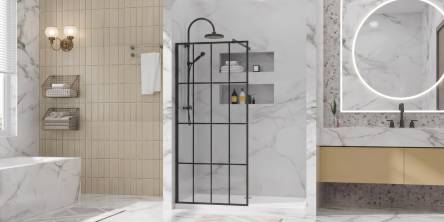
Bathrooms have evolved far beyond their purely functional role. Today, they're carefully designed spaces that reflect personal style while balancing practicality, durability, and long-term value.
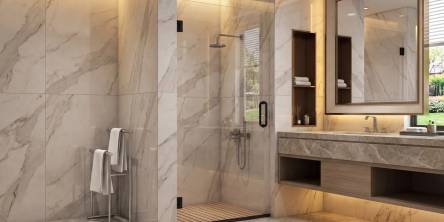
A shower door is one of the most dependable shower enclosure options for homeowners who value durability, affordability, and timeless style.
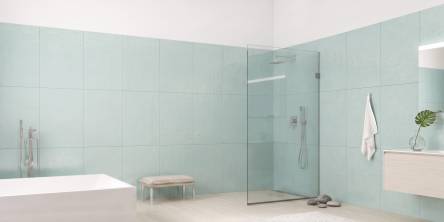
Modern bathrooms are increasingly designed around simplicity, openness, and long-term functionality. One feature that perfectly reflects these priorities is the fixed panel shower screen.