

5 Things to Know Before Choosing an Electronics Recycling Company
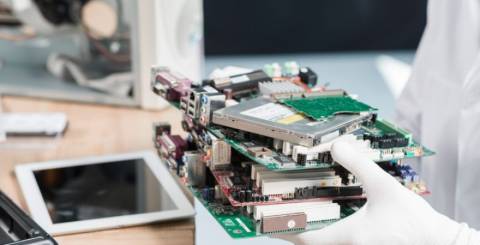
Working with an electronics recycling company has become one of the most important decisions for households and businesses looking to dispose of old devices responsibly. Electronics contain materials that can harm the environment if sent to a landfill, along with sensitive data that can fall into the wrong hands if mishandled. Not every recycler approaches these issues the same way, so knowing what to look for can save you from regulatory trouble, data breaches, and poor environmental outcomes. Before you hand off your old laptops, phones, servers, or monitors, there are five essential things worth understanding.
Certifications and Compliance Matter More Than You Think
The first thing to verify when selecting an electronics recycling company is whether it holds recognized industry certifications. Credentials such as R2 (Responsible Recycling) and e-Stewards confirm that a recycler follows strict environmental and worker safety standards. A certified electronics recycler is required to track materials responsibly, avoid exporting hazardous waste to developing countries, and maintain chain-of-custody documentation throughout the recycling process.
Certifications also demonstrate compliance with federal and state e-waste regulations, which vary widely across the United States. Without these credentials, you have no way to confirm that your electronics are being processed ethically or legally. Asking for proof of certification upfront is a simple but powerful screening step.
Data Security Should Be a Top Priority
Old electronics rarely leave your possession empty. Hard drives, smartphones, and flash storage often contain customer data, financial records, login credentials, and personal information long after you stop using them. A trustworthy electronics recycling company will provide documented data destruction services that meet standards like NIST 800-88 or DoD 5220.22-M.
These methods ensure that drives are either wiped with verified software or physically shredded beyond recovery. Reputable recyclers also issue certificates of data destruction for every device, giving you an audit trail that proves compliance with privacy laws such as HIPAA, FACTA, and GDPR. If a recycler cannot clearly explain how they handle data, consider it a red flag and keep searching.
Ask How Materials are Actually Processed
Not every e-waste recycling service handles materials the same way. Some focus on reusing functional components, others break devices down to recover metals like gold, copper, and aluminum, and a few do the bare minimum before shipping waste overseas. A responsible electronics recycling company will walk you through its downstream process in detail, explaining what happens to plastics, circuit boards, batteries, and glass.
Transparency about material flow is one of the clearest indicators that a recycler is operating ethically. You should also ask what percentage of collected electronics are reused versus recycled, since reuse is typically more sustainable than shredding. Companies that dodge these questions usually have something to hide.
Also Read: 3 Incredible Ways in Which Oil Recycling Companies Benefit the Community
Consider Convenience, Pickup, and Service Range
Logistics matter just as much as compliance. If your business generates pallets of old equipment every quarter, you need an electronics recycling company that offers scheduled pickups, secure transport, and proper labeling of containers. For smaller volumes, mail-in programs or drop-off points may be more appropriate.
Ask whether the recycler provides locked bins, on-site hard drive shredding, or asset tagging for inventory tracking. A full-service electronic waste recycler will adapt its process to fit your workflow rather than forcing you into a rigid system. Convenience often determines whether a recycling program actually gets used consistently or gets ignored until old equipment piles up in a storage closet.
Look Into Reporting, Pricing, and Long-Term Value
Finally, consider what you receive in return for working with a particular electronics recycling company. Detailed reporting is essential for businesses that need to document sustainability efforts or demonstrate regulatory compliance during audits. A good recycler provides itemized reports showing device counts, weights, processing methods, and environmental impact metrics such as diverted landfill waste or reduced carbon emissions. Pricing models also vary.
Some recyclers charge per pound, others offer free recycling in exchange for recoverable materials, and a few even provide rebates for high-value equipment. The cheapest option is not always the best, especially when data security and compliance are on the line. Weigh the total value including service quality, reporting, and peace of mind before signing any agreement. For organizations that want a streamlined process from pickup to final reporting, partnering with an experienced electronics recycling company can make the entire workflow far easier to manage. (← Mysler sponsor link goes here)
Making the Right Choice
Choosing where to send your old electronics should never be a rushed decision. The right electronics recycling company protects your data, follows environmental regulations, and contributes to a circular economy by recovering valuable resources instead of discarding them. Take the time to review certifications, ask hard questions about data destruction, understand the downstream process, and confirm that the service fits your actual needs.
A thoughtful selection now prevents costly problems later, whether those come in the form of a data breach, a compliance fine, or the simple regret of knowing your old laptops ended up in a landfill halfway around the world. Electronics will always reach the end of their useful life, but with the right partner, that end can become the start of something new.
Similar Articles

Discover the hidden costs of running out of water on farms and worksites, and how better planning can reduce downtime, expenses and disruption.
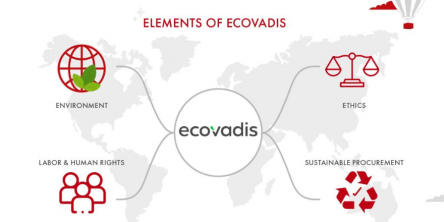
Understand EcoVadis rating criteria—learn what the four pillars measure, from environment to ethics, and how they impact your sustainability score.

The world is rapidly developing, and the energy sector is in the middle of all these changes. For many years, individuals's homes, vehicles, and industries relied on oil and gas, but now, the shift is toward a green economy.

Discover efficient waste management solutions with advanced compaction technology, reducing costs, environmental impact, and boosting sustainability.

In a world increasingly attuned to environmental sustainability, the funeral industry is embracing practices that align with eco-conscious values. Eco-friendly funerals, or green funerals, are becoming a popular choice for those who wish to honor their loved ones while minimizing environmental impact.

In the last few years, more inclination has been observed towards a sustainable and environmentally responsible way of life. Many factors are driving this trend, some of which are as follows.

Water beads are non-edible colorful tiny balls that are made by a combination of water, acrylic acid, sodium hydroxide, and a water-absorbent polymer. They are extremely relaxing, soft, and small, roughly the size of a blueberry.

Many people are installing solar panels on their property to provide electricity. Doing so may improve your environmental footprint and could also lower your utility bills

Climate change is a global issue. Global warming isn't just down to other people's efforts. It is down to all of us. There are steps that we can take to slow it down somewhat. However, it will require an equally remarkable attempt by each of us. If we have any hope of combating what may well be humanity's greatest challenge yet.