

5 Simple Ways to Improve Customer Retention

The average business loses 10 to 15 percent of its customers each year, which can usually only be countered by finding new customers to make up for that lost income. It’s become a top goal for many companies to reduce those exit rates because that can save a business tremendous time and effort. Since loyal customers are more likely to tell their friends and associates about a brand they believe in, nurturing these customers can help you build your own team of brand ambassadors. But how do you improve retention rates without increasing your staff? Here are a few tips to help.
Become a Trusted Advisor
Many customer-business relationships come from a consulting type of setup. In many instances this means that the customer feels free to call with any questions or concerns. This also means that the business’s team has the expertise necessary to offer ongoing guidance. If a business can work on developing trust with its clients, it will be rewarded with long-term loyalty from a higher percentage of those customers.
Maintain a Comprehensive Database
As your business grows, it will gradually become less and less easy to keep up with every customer. A customer relationship management (CRM) system is perhaps the most dependable way to help you capture purchase histories and personal tidbits on every customer who buys from you. Even a small touch like remembering a customer’s birthday when he calls can make a big difference in creating more return business.
Measure and Correct
Before you can improve retention rates, it’s important to first understand what they are. Learn to monitor and calculate retention rates and use that information to make positive changes. You may be lucky enough to learn that your business loses very few customers each year, which frees you to focus on other things. Even with those few customers, however, you can likely get to the heart of why they’re leaving. Consider sending surveys to customers who have chosen not to continue to do business with you and use those results to improve. This will help you evolve as a business.
Offer a Free Trial
A certain percentage of customers will either cancel or ask for a refund after trying a product or service. To keep churn rates low, however, some brands have found that free trials are a great option, especially for subscription-based services. A free trial gives customers the opportunity to try out a product or service and decide if it’s the right fit before committing to buy. If you have additional services that you can add on to what a customer has already tried using, then this is your chance to toss those in for free too. Such methods ensure that those customers who do choose to stay on are already sold on the product.
Follow Up
Many businesses put all of their efforts into making the sale, moving on to the next sale once the purchase is complete. This completely disregards the very real existence of buyer’s remorse. Instead of moving on, businesses should follow up with the customer in the weeks following the sale to see if there’s any way they can help. This will show that you’re a business that cares, which means that even if the customer isn’t happy with the item they bought from you, they’ll be more likely to buy something else from you in the future.
Businesses will always see at least a small amount of customer turnover, but the more long-term customers they can win over, the better. If your business wants to reduce its customer attrition, good customer service is the best way to start.
Similar Articles
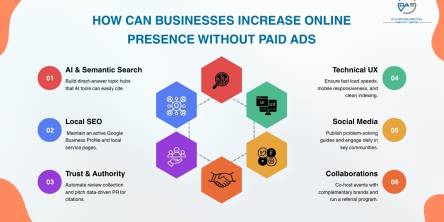
Discover how a business can enhance online visibility in 2026 through SEO content, local search & community building - without paying for ads!

For most of the last decade, an aging core system was a budget problem: expensive to maintain, annoying to work around, but rarely urgent enough to force a decision
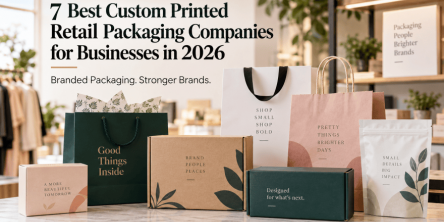
For most businesses in 2026, Action Packaging takes the top spot. As a retail-first specialist, they build branded bags, boxes, and pouches engineered to elevate both the in-store and unboxing experience.

Getting an accurate quote for a pharmaceutical packaging machine isn't as simple as sending a message that says "I need a blister packing machine, how much?" Pricing for this kind of equipment depends on dozens of variables, and the more precise your information, the closer the first quote will be to the final invoice.

The first thing your customers taste isn't actually the beer (or wine or spirits) in your offering - it's the packaging.

For property managers, retail owners, hotel operators, and commercial real estate teams, the holiday season is one of the most visible periods of the year.

Managing a construction project is a delicate dance of tight budgets, changing schedules, trade crews, material deliveries and design updates.
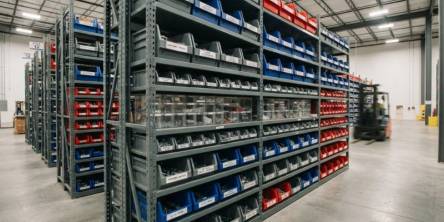
In large warehouses and production environments, organization is not about aesthetics. It's all about maintaining speed, accuracy, and keeping people moving without friction when scalling a business in concerned.

Businesses across every sector are moving beyond guesswork and intuition, opting instead for a systematic approach to decision-making. Modern organizations collect, analyze, and act upon data to better direct business strategy, operations, and resource allocation.