

5 Business Continuity Tips You Can Use When Facing Disruption

A lot of business owners are having difficulty in keeping their businesses afloat these past few months due to the pandemic. The effects of Covid-19 have disrupted the safety and security of consumers which affected the sales and operations of various companies.
These unfortunate events have resulted in the disruption of business continuity in several sectors in the community. This is why many organizations are finding ways to create a plan that would help them save their business during this time of disruption.
Luckily, this article can provide you with business continuity tips that you can use to help your business survive the crisis.
1. Create a Continuity Plan that Prioritizes Safety
Workplace safety is essential for your business during times of disruption. Employees are looking for guidance and job security from their employers. Communicating with them to address their concerns goes a long way in ensuring business continuity.
You need to devise new safety policies and initiate a flexible work arrangement that will allow employees to work safely. Organize teams and allocate resources to create programs that support the well-being of your staff.
Create plans to minimize business disruptions to stabilize your operations. Align your programs with new government policies to navigate your business through the crisis successfully.
2. Reevaluate Your Business Strategy to Survive the Disruption
Most business performance will likely decline during the duration of the disruption. You need to reshape your operations and business strategy to minimize the impact of the crisis.
During these disruptions, it is advisable to evaluate the short term liquidity of your business. You need to monitor the immediate cash flow of your business so that you can find ways and intervene whenever necessary.
Moreover, you need to control your working capital and manage your inventory properly. Reassess your pricing and adapt according to changes that may occur in your supply chain.
3. Communicate with Your Business Partners
Clear and timely communication is a vital component needed to ensure business continuity. You need to constantly update your business partners about situations and events that can affect your business.
Engaging with your partners will enable you to make better decisions for your company. Communicating with them regularly will promote better understanding which will ensure on-time delivery of supplies and products.
4. Take Advantage of New Government Support and Aid Policies
It is important to be informed about new government policies during a crisis. Being aware of these opportunities can help your business in times of disruptions.
You need to understand and identify government aids that can help support your business. It is recommended that you take apart and avail relief policies that are beneficial to your organization.
Taking advantage of these government policies will improve the chances of business continuity and will help your business survive the crisis.
5. Implement Your Business Continuity Plan Efficiently
After devising a business continuity plan, you need to make sure that you and your business managers can implement the plans efficiently.
Schedule a trial run of the new policies and monitor your business performance. If you find things that do not work, make the necessary adjustment to make things run smoother.
Continuously improve your plans and learn from mistakes. Doing this will not only help your business survive the current disruption but it will also make your business stronger and more resilient to future problems.
Final Words
Preparing and planning a business continuity plan can help your business overcome any disruptions. Following any of our recommended business continuity tips can help you survive the crisis that most business owners are facing in the world today.
Similar Articles

Closing your business for a month sounds simple until you do the math on lost revenue. For most business owners, that math doesn't work. So the renovation has to happen around the business, not instead of it.

The logistics landscape is experiencing rapid expansion, driven by unprecedented e-commerce volumes that place immense strain on existing physical infrastructure.

Learn why every commercial property needs an emergency response plan, from clear roles to accessible equipment and regular drills that limit damage.

Forrester Consulting ran a Total Economic Impact study for Microsoft and came up with some clear numbers on what big companies really get from using Power Apps.
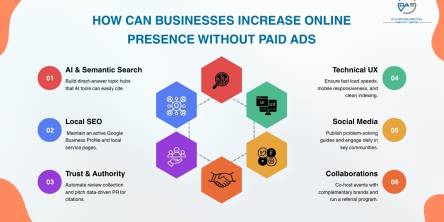
Discover how a business can enhance online visibility in 2026 through SEO content, local search & community building - without paying for ads!

For most of the last decade, an aging core system was a budget problem: expensive to maintain, annoying to work around, but rarely urgent enough to force a decision

For most businesses in 2026, Action Packaging takes the top spot. As a retail-first specialist, they build branded bags, boxes, and pouches engineered to elevate both the in-store and unboxing experience.

Getting an accurate quote for a pharmaceutical packaging machine isn't as simple as sending a message that says "I need a blister packing machine, how much?" Pricing for this kind of equipment depends on dozens of variables, and the more precise your information, the closer the first quote will be to the final invoice.

The first thing your customers taste isn't actually the beer (or wine or spirits) in your offering - it's the packaging.