

5 Best Hair Loss Treatments For Men

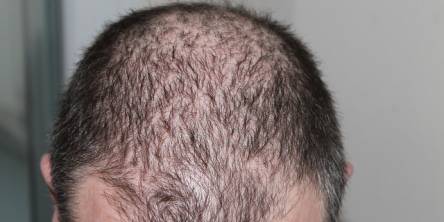
Hair loss is one of the most common concerns affecting men, with millions experiencing some degree of thinning hair or baldness during their lifetime. While losing a few hairs each day is normal, progressive thinning, a receding hairline, or noticeable bald spots can have a significant impact on confidence and self-image.
The most common cause of male hair loss is androgenetic alopecia, also known as male pattern baldness. This condition is influenced by genetics and hormones, particularly sensitivity to dihydrotestosterone (DHT), which gradually causes hair follicles to shrink and produce thinner hairs over time.
Here are five of the best hair loss treatments currently available.
1. Minoxidil
Minoxidil is one of the most widely used and well-studied hair loss treatments.
Available as a topical solution or foam, minoxidil is applied directly to the scalp. Although its exact mechanism is not fully understood, it is believed to improve blood flow around hair follicles and prolong the growth phase of the hair cycle.
Potential benefits include:
- Slowing hair loss;
- Increasing hair density;
- Thickening existing hair;
- Stimulating regrowth in some individuals.
Minoxidil tends to work best in men who begin treatment during the early stages of hair thinning.
Consistency is important. Most users need to apply the product regularly for several months before seeing noticeable improvement. If treatment is discontinued, any gains achieved are typically lost over time.
2. Finasteride
Finasteride is a prescription medication that targets one of the primary causes of male pattern baldness.
It works by reducing the body's production of DHT, the hormone responsible for follicle miniaturization in genetically susceptible individuals.
Benefits may include:
- Slower hair loss progression;
- Increased hair thickness;
- Improved scalp coverage;
- Long-term preservation of existing hair.
For many men, finasteride is particularly effective at maintaining hair and preventing further loss.
Results often become noticeable after several months of treatment, with continued improvement possible over the first year.
Because finasteride affects hormone metabolism, it should only be used under the guidance of a qualified healthcare provider.
3. Platelet-Rich Plasma (PRP) Therapy
Platelet-rich plasma (PRP) therapy has become increasingly popular as a non-surgical hair restoration option.
The procedure involves drawing a small amount of the patient's blood and processing it to concentrate platelets, which contain growth factors associated with tissue repair and regeneration.
The concentrated plasma is then injected into areas of scalp thinning.
Potential benefits may include:
- Stimulation of hair follicles;
- Improved hair thickness;
- Increased hair density;
- Enhanced response to other treatments.
PRP is often used alongside treatments such as minoxidil or finasteride to maximize results.
Because it utilizes the patient's own blood, the risk of allergic reactions is generally low.
Multiple treatment sessions are typically required.
4. Low-Level Laser Therapy (LLLT)
Low-level laser therapy uses specific wavelengths of light to stimulate hair follicles.
Devices are available in several forms, including:
- Laser caps;
- Laser helmets;
- Laser combs.
Research suggests that low-level laser therapy may help:
- Improve follicle activity;
- Increase hair density;
- Support healthier hair growth.
The treatment is non-invasive and generally well tolerated. However, results vary among individuals, and consistent use is required to maintain benefits.
Many patients use laser therapy as part of a broader hair restoration program rather than as a standalone treatment.
5. Hair Transplant Surgery
For men with more advanced hair loss, hair transplant surgery remains one of the most effective long-term solutions.
During the procedure, hair follicles are moved from donor areas, typically the back or sides of the scalp, to areas experiencing thinning or baldness.
Modern techniques include:
- Follicular Unit Extraction (FUE)
Individual follicular units are harvested and transplanted.
- Follicular Unit Transplantation (FUT)
A strip of scalp is removed, and follicles are extracted for transplantation.
Benefits of hair transplantation may include:
- Permanent hair growth in transplanted areas;
- Natural-looking results;
- Improved hairline restoration;
- Long-term improvement in scalp coverage.
Because transplanted hairs are typically resistant to DHT, results can be durable for many years.
Which Treatment Is Best?
The ideal hair loss treatment for men depends on several factors, including:
- Age;
- Extent of hair loss;
- Pattern of thinning;
- Overall health;
- Treatment goals;
- Budget.
For some men, a combination approach provides the best results.
For example:
- Minoxidil plus finasteride;
- PRP combined with medications;
- Hair transplantation supported by medical therapy.
A personalized treatment plan often produces better outcomes than relying on a single therapy.
The bottom line
Hair loss is extremely common among men, but effective treatment options are available. Minoxidil, finasteride, platelet-rich plasma therapy, low-level laser therapy, and hair transplant surgery are among the most widely used and evidence-supported approaches. Each treatment offers unique advantages, and the best choice depends on the individual's pattern of hair loss, treatment goals, and overall health.
Similar Articles

Selecting a hair transplant clinic is a major task that may have a serious impact on the quality

A hair transplant for women is a safe and permanent therapy for alopecia and other forms of irreversible hair loss. Hair transplants for women with alopecia are becoming increasingly popular as a way to regain their symbol of beauty while also boosting confidence and self-esteem.
Hair transplants are a big deal. You’re not just fixing your hair; you’re fixing your confidence, your selfies, and your chances of rocking the windblown look again. But choosing the right surgeon? That’s where the real magic happens. Think of them as the “Hairline Whisperer” who can turn your follicular dreams into fabulous hair transplant results.

Hair loss is a common issue that affects millions of people, often leading to frustration and confusion. Whether it’s hiding thinning areas with new hairstyles, trying different hair growth products, or taking specific supplements, many people turn to various methods to cope.

In the pursuit of healthy, luscious locks, many individuals are turning to Ayurvedic herbs as a natural solution. Rooted in ancient Indian wisdom, Ayurveda offers a treasure trove of botanical remedies renowned for their hair-nourishing properties.
Hair transplant procedures have grown in popularity in recent years as a reliable remedy for individuals who are experiencing hair loss. Despite the success stories and developments in the industry, many different misconceptions persist, causing potential candidates to be confused and reluctant.
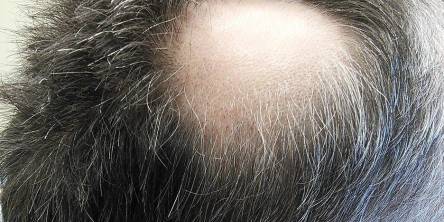
Many men have baldness and it can be caused by several reasons, one of them being heredity. Aging, different medical conditions, hormonal changes also may cause hair loss.
For over the years, doctors and scientists never stop searching for solutions to reverse the progressive hair loss as we age. And Exosomes treatment is one of the most recent innovations available treatment in the market. The platelet-rich plasma (PRP) and stem cell treatments are showing great promises to the people who are suffering from hair loss.
Hair loss is one of the most problematic issues that is causing havoc among people nowadays. Both men and women suffer from severe hair fall due to various factors such as stress, unhealthy diet, vitamin deficiencies, illness, hereditary, lifestyle changes, etc.