

Why Running Out of Water Is More Expensive Than You Think

When people think about the cost of running out of water, they often picture the inconvenience of having to refill a tank or postpone a job. In reality, the consequences can be much more expensive. Water shortages can delay projects, affect livestock, damage crops, increase labour costs, and create unnecessary stress when work grinds to a halt.
Planning ahead is one of the simplest ways to avoid these problems. For many rural properties and outdoor worksites, having reliable equipment such as an agricultural water trailer helps ensure water is available where and when it's needed, reducing downtime and improving overall efficiency.
Whether you manage a farm, maintain acreage, or work on large outdoor projects, understanding the true cost of water shortages can help you make smarter decisions.
Lost Time Quickly Becomes Lost Money
Every time work stops because water isn't available, productivity drops.
Imagine you're:
- Watering newly planted trees
- Suppressing dust on a worksite
- Filling livestock troughs
- Mixing concrete
- Cleaning machinery after a long day
If water runs out, the task doesn't simply pause. Workers may need to travel to refill tanks, rearrange schedules, or delay other jobs while waiting for supplies.
Those interruptions can quickly add hours to a project that should have been completed much sooner.
Livestock Depend on Reliable Water Supplies
Healthy livestock require consistent access to clean water every day.
Even short interruptions can create unnecessary problems, particularly during warmer weather when animals consume significantly more water.
Running short may lead to:
- Reduced animal wellbeing
- Lower productivity
- Increased stress on livestock
- Emergency transport of water
Reliable planning helps avoid situations where essential water supplies become uncertain.
Plants Don't Wait for Better Timing
Gardens, crops, and newly established landscaping all rely on consistent watering.
Missing even one scheduled watering during hot or dry conditions can affect plant health, particularly for young vegetation with developing root systems.
Recovering stressed plants often requires more water and more effort than preventing the problem in the first place.
Equipment and Vehicles Still Need Cleaning
Water isn't only used for irrigation or livestock.
Many rural properties rely on water for:
- Washing machinery
- Cleaning tools
- Maintaining vehicles
- Reducing dust
- General property maintenance
Skipping these tasks because water isn't available may contribute to increased equipment wear, reduced visibility, or unnecessary maintenance costs over time.
Emergency Solutions Usually Cost More
When water shortages happen unexpectedly, people often have little choice but to find immediate solutions.
That might involve:
- Hiring additional equipment
- Purchasing emergency water deliveries
- Making multiple transport trips
- Delaying scheduled work
These reactive solutions are almost always more expensive than planning ahead.
Better Planning Improves Efficiency
Avoiding water shortages isn't simply about storing larger quantities.
It's also about understanding how water is used throughout the property.
Helpful questions include:
- Which jobs require the most water?
- When is demand highest?
- Are there seasonal changes?
- How long does each refill typically last?
- Could water be transported more efficiently?
Answering these questions helps reduce waste while ensuring enough water is available for essential tasks.
Small Problems Often Become Bigger Ones
Many water shortages begin with relatively minor issues.
A leaking hose, damaged valve, or poorly maintained storage tank may not seem urgent initially.
However, over time these small inefficiencies reduce available water and increase refill frequency without anyone immediately noticing.
Regular inspections help identify these problems before they become expensive interruptions.
Reliable Water Supports Better Decision Making
Knowing you have adequate water available changes the way projects are managed.
Instead of constantly worrying about running out, you can focus on completing the work efficiently.
Reliable water supplies allow for:
- Better scheduling
- Fewer interruptions
- Improved productivity
- Reduced stress
- Greater confidence when planning larger projects
That peace of mind is often just as valuable as the water itself.
Preparation Pays Off
Running out of water is rarely just an inconvenience. It often creates a chain reaction of delays, additional costs, and unnecessary frustration that affects far more than a single task.
Fortunately, many of these problems are preventable. Monitoring water usage, maintaining equipment, fixing leaks promptly, and planning ahead all help ensure reliable supplies when they're needed most.
A little preparation today can prevent expensive disruptions tomorrow. By treating water as the valuable resource it is and managing it carefully, rural property owners and outdoor workers can save time, reduce costs, and keep projects moving without unnecessary interruptions.
Similar Articles

Working with an electronics recycling company has become one of the most important decisions for households and businesses looking to dispose of old devices responsibly.
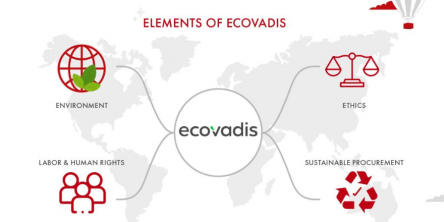
Understand EcoVadis rating criteria—learn what the four pillars measure, from environment to ethics, and how they impact your sustainability score.

The world is rapidly developing, and the energy sector is in the middle of all these changes. For many years, individuals's homes, vehicles, and industries relied on oil and gas, but now, the shift is toward a green economy.

Discover efficient waste management solutions with advanced compaction technology, reducing costs, environmental impact, and boosting sustainability.

In a world increasingly attuned to environmental sustainability, the funeral industry is embracing practices that align with eco-conscious values. Eco-friendly funerals, or green funerals, are becoming a popular choice for those who wish to honor their loved ones while minimizing environmental impact.
In the last few years, more inclination has been observed towards a sustainable and environmentally responsible way of life. Many factors are driving this trend, some of which are as follows.

Water beads are non-edible colorful tiny balls that are made by a combination of water, acrylic acid, sodium hydroxide, and a water-absorbent polymer. They are extremely relaxing, soft, and small, roughly the size of a blueberry.
Many people are installing solar panels on their property to provide electricity. Doing so may improve your environmental footprint and could also lower your utility bills

Climate change is a global issue. Global warming isn't just down to other people's efforts. It is down to all of us. There are steps that we can take to slow it down somewhat. However, it will require an equally remarkable attempt by each of us. If we have any hope of combating what may well be humanity's greatest challenge yet.