

Why Better Planning Makes Travel More Enjoyable
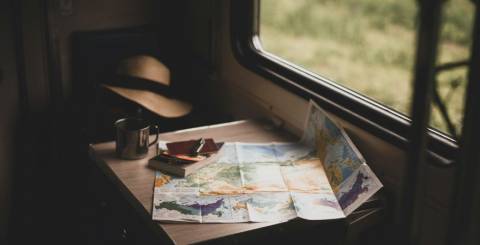
Traveling should feel exciting. Whether you are heading away just for a short weekend break or a long international trip, the experience would leave you feeling refreshed, curious, and inspired. But travel can also become very stressful very quickly.
With delayed flights, overpacked schedules, forgotten items, and poor organization, it can easily take away attention from the actual experience. Rather than enjoying a destination, when travel is spent on large parts of their trip dealing with avoidable problems, that's why preparation is really important and is more important than you might think.
Good planning does not remove spontaneity from a trip; instead, it creates the freedom to enjoy a trip without constantly worrying about the logistics. The more organized you are before traveling, the easier it becomes to relax once you arrive.
Modern travelers are starting to approach trips differently now. Rather than trying to rush through every possible attraction, people are focusing more on comfort, flexibility, and overall experience. They're making more practical choices during the trip, and it is completely changing how much they enjoy it.
Smart Planning Starts Before You Leave Home
Many travel problems begin before the journey even starts. Things like packing at the last minute or getting important documents ready, along with checking transport details, can create stress that is just not needed. A few simple habits before departure make everything feel more manageable.
Experienced travelers often prepare in stages rather than doing everything right before they leave. They confirm their bookings early, organize digital copies of documents, and create simple packing lists. This type of approach can help reduce panic and prevent small mistakes from happening and becoming frustrating during travel days.
People are also becoming more interested in smart travel planning because modern travel often involves multiple moving parts. You have to deal with things like flights, accommodation, local transport, and activities, and they need to work together so that your trip can run smoothly. Using travel apps, flexible itineraries, and realistic schedules means that travelers are able to stay organized without overcomplicating the experience.
Planning smarter also means accepting that not every moment needs to be scheduled. Leaving a little bit of space for rest and unexpected experiences usually leads to a much better trip overall.
Packing Less Usually Improves the Trip
Overpacking is one of the most common travel mistakes. People pack for every single situation they can think of, and they end up carrying far more than they actually need. Heavy luggage makes airports, train stations, and city travel far more exhausting than they need to be. Traveling lighter creates more flexibility.
You move through more easily and spend this time packing and avoiding distress or dragging large suitcases through crowded areas. Frequent travelers often rely on versatile clothing, smaller bags, and practical essentials instead of overloading themselves with unnecessary items.
Packing lightly also makes spontaneous travel decisions much easier. You can walk longer distances, change accommodation more comfortably, and adapt plans without feeling as though you are restricted by the items you are carrying with you. There are also situations where carrying the luggage simply gets in the way of enjoying the destination properly. Many travelers now use luggage storage services when they arrive before hotel check-in or after checking out. This gives them the freedom to explore cities comfortably rather than wasting time sitting with bags in cafes or stations. Small conveniences like this make a huge difference when it comes to travel days.
Flexibility Makes Trips Feel Less Stressful
Rigid travel schedules often create more problems than they solve. People sometimes try to fit far too many activities, restaurants, and attractions into a short trip; they just feel like they have the pressure to maximize every moment. But if you are constantly rushing through these types of things, it can lead to exhaustion. Flexible planning creates a much calmer experience.
Rather than trying to schedule every part of your trip, many travelers now focus on just a few key important activities each day and leave the rest of the time open. This approach allows room for delays, rest, and unexpected discoveries. Some of the best travel moments happen by accident; it might be that you find a hidden shop, a quiet street, or a local recommendation, and it becomes more memorable than anything that you have planned.
When your trip has flexibility built into it, small changes no longer feel stressful. Travel becomes more enjoyable when you stop trying to do everything perfectly and on time. Missing one attraction really doesn't ruin a trip, but feeling constantly rushed does.
Technology Has Changed the Way People Travel
Technology now has a big part to play when it comes to travel. Mobile apps handle things like boarding passes, hotel bookings, mapped currency conversion, and more. Travelers are able to organize their whole trips just from their phone if they want to. This type of convenience makes travel much easier than it was in the past.
Real-time updates also help people to adapt quickly when plans change. Delayed trains, gate changes, or canceled bookings become easy to manage when information is available instantly, but technology can also create its own problems.
When you have constant notifications going off, endless online recommendations, and pressure from social media, it can sometimes distract people from actually experiencing the place around them. Many people now try to create some sort of balance when they are traveling. They use technology for organization and convenience, but try to avoid spending too much time using technology for the whole trip; they don't want to spend time on the screens.
Conclusion
Travel becomes far more enjoyable when preparation and flexibility work together. Careful planning helps avoid unnecessary stress, while flexible schedules help to create room for spontaneous experiences and quieter moments that can relax you. Modern travelers are starting to value comfort, balance, and simplicity rather than having jam-packed itineraries.
Small practical choices also make a huge difference. Packing lighter, using luggage storage when needed, and focusing on smart travel planning can completely improve the flow of a trip. At its best, travel should feel low-stress, so it is exciting and manageable at the same time. The whole idea is not to see everything perfectly, but instead to make sure you are enjoying the experience fully without overwhelming yourself.
Similar Articles

Discover what makes pool deck resurfacing last in your climate, from choosing durable materials to proper preparation, installation, drainage, and maintenance.

The modern urban adventure begins long before you step off the plane or train. It starts with careful preparation and a clear understanding of what you want out of your journey.

Corporate leadership demands a relentless pace, and in recent years, the pressure has reached a b

Sydney presents a wealth of opportunities for visitors seeking a scenic and memorable escape
Bali has been a popular tourist destination for years due to its beaches, temples, nature, and culture. But as tourism changes with time, people have started to think about the environment and local society while traveling.
Planning an international vacation can be fun, but it can also be hard to coordinate individual flights or day tours. Managing your separate travel bookings causes significant expense
A trip abroad can provide wonderful places, interesting people, and unforgettable experiences. But travel to other countries also presents unique health risks and logistical challenges that can be unforeseen.

Travel is often about more than simply getting from one destination to another.

Explore Sydney's eastern beaches beyond Bondi—discover coastal walks, ocean lookouts, quiet swim spots, and vibrant seaside neighbourhoods.