

What Makes a Pool Deck Resurfacing Last in Your Climate
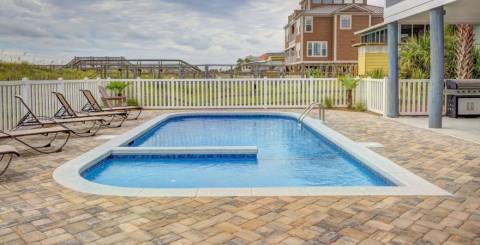
A concrete pool deck can look tired long before the slab is worn out. Flaking paint, hot underfoot surfaces, puddling water, and hairline cracks all push homeowners to consider resurfacing. Yet longevity depends less on the topcoat name and more on assessment, preparation, and a system that fits your weather and water chemistry. The best results come from matching overlay type and sealer to the slab's condition, honoring control joints, building in slip resistance, and protecting breathability where moisture is present. This article breaks down the decisions that matter so you can evaluate proposals with confidence and understand what will help a new finish perform for seasons, not just months.
1. Assess the Slab: Movement, Moisture, and Drainage Shape the Plan
If you are planning local pool deck resurfacing, start with a clear diagnosis of the existing concrete. Hairline shrinkage cracks that don't move can be bridged with many polymer-modified overlays. In contrast, active cracks near corners or steps usually need routing, flexible sealant, or crack stitching. Efflorescence, dark damp patches along control joints, or a musty odor can signal moisture vapor pressure that will blister dense coatings. A simple taped plastic test hints at moisture behavior; stubborn condensation often points to a need for breathable overlays and vapor-tolerant primers rather than tight epoxy films.
Drainage is equally consequential. A deck should fall slightly toward drains or the yard; standing water around ladders and chaise lounges accelerates blistering and wear. Look for low spots around skimmers, drain grates, and coping where splashes and backwash collect. If the slope is inadequate, plan for spot grinding, patching with a polymer repair mortar, or a thin self-leveling correction before any finish goes down. Ignoring slope and moisture sets the stage for peeling edges and telegraphed cracks, even under the best topcoats.
2. Prep That Sticks: Cleaning, Profiling, and Joint Detailing
Adhesion lives and dies in surface profile. Power washing alone will not cut away laitance, paint, or sealers that block bonding. Degrease rust drips, sunscreens, and barbecue grease with an appropriate cleaner, then create a uniform texture with a diamond grinder or shot blaster to reach an ICRI CSP 2 to 4 profile for most overlays. Acid etching can weaken the paste and leave salts; mechanical profiling is more predictable. Rebuild spalled edges with a polymer-modified repair mortar, and remove feathered paint rather than "burying" it under a skim coat.
Honor every control and expansion joint. That means cleaning joints, removing brittle filler, and resealing with an elastomeric joint sealant before coating. During spraying or troweling, joints are often taped to keep them clean and then recut so movement can continue under the new surface. Skipping this step invites reflective cracking right where foot traffic is heaviest. It is a common mistake: a pristine texture on day one that maps every joint and crack line by the first winter.
3. Choose the Overlay for Use and Climate
Overlay systems are not interchangeable. Acrylic spray textures, often called knockdown or cool deck style finishes, create a thin, breathable layer that diffuses heat and adds slip resistance. Cement-based microtoppings and stamped overlays are thicker and better at disguising patched areas and old broom lines, but they add height at coping and drains. Rubberized coatings cushion bare feet and mute cracks but may scuff under furniture. In freeze-thaw regions, breathable cementitious overlays with water-based acrylic sealers often outlast tight epoxies, which can trap vapor and delaminate under hydrostatic pressure.
Topcoats also matter. UV-stable polyaspartic or polyurethane sealers resist yellowing and abrasion on sunny decks. Saltwater chlorine generators and splash-out can soften some solvent-borne acrylics, so look for chemical-resistant formulas or consider a breathable silane or siloxane beneath a decorative sealer. There is a tradeoff: denser, high-gloss coats shed spills but can be more slippery when wet; more breathable, matte finishes dry quickly and handle vapor better but may need more frequent resealing. A thicker stamped overlay can hide legacy imperfections yet raises thresholds at gates and drain grates, requiring careful transitions to avoid trip edges.
4. Grip and Heat: Dialing In Texture Without Tearing Up Feet
Pool decks must balance traction and comfort. Knockdown textures, light broom finishes, or a fine orange peel spray create micro highs and lows that shed water and improve grip. Anti-slip additives like silica sand, polymer beads, or aluminum oxide can be broadcast into sealers, with bead size and loading tuned by area. For steps, diving platforms, and tanning ledges, a higher traction band helps; for lounging zones, a finer texture keeps skin comfortable and prevents snagging swimsuit fabric. Overly coarse grit feels safe at first, but it chews up rubber-tipped furniture feet and is harder to clean.
Heat is a real concern on southern and west-facing decks. Light pigments, reflective chips, and cooler aggregates reduce surface temperature compared to dark browns or charcoals. The compromise is maintenance: very light finishes show leaf tannins, rust from chair frames, and sunscreen stains sooner. Speckled or variegated color blends hide day-to-day marks without running hot. Consider two realistic examples. Around a shallow splash zone for kids, choose a light knockdown with a fine anti-slip additive and rounded corner bead at steps. Along a shaded north fence where algae grows, a slightly smoother, breathable finish cleans faster and stays grippy without heavy grit.
Sealing, Curing, and Aftercare for Longevity
Fresh overlays and sealers need time. Keep sprinklers, toys, and backwash off new work until the installer clears it for foot traffic and furniture; many systems allow light use within 24 to 72 hours, with full cure after that. Water-based acrylics and penetrating silane or siloxane maintain breathability over damp-prone slabs, while polyaspartic or polyurethane topcoats add abrasion resistance in high-traffic zones. In practice, many decks perform best with a breathable base and a UV-resistant wear coat chosen for the site's sun, shade, and splash patterns.
Care is straightforward but specific. Use pH-neutral cleaners rather than harsh degreasers that dull sealer. Rinse chlorinated and saltwater splash out near ladders and coping. Avoid deicing salts, which can pit overlays and attack the slab below. Keep pressure washers back several inches and use a fan tip to protect texture. Rubber-backed mats reduce scuffing at gates, and chair glides keep feet from grinding grit into the finish. Reseal on the schedule your system calls for, which varies by exposure; shaded decks last longer between coats than sun-drenched tanning shelves. Watch joint sealant and recut or recaulk where movement opens gaps.
Resurfacing succeeds when choices mirror the site. A 1960s deck with a hollow-sounding corner and a saltwater system likely needs crack repair, a breathable cementitious overlay, and a UV-stable sealer that tolerates splash-out. A newer slab with good slope but heavy leaf drop may benefit from a variegated acrylic spray texture that hides tannins and cleans fast. In both cases, the sequence does the heavy lifting: diagnose the slab, create the right profile, honor joints, choose a system that fits moisture and sun, and maintain it with gentle cleaners and periodic sealing. That plan sets you up for a cooler, safer surface that holds up to real backyard use.
Similar Articles

The modern urban adventure begins long before you step off the plane or train. It starts with careful preparation and a clear understanding of what you want out of your journey.

Corporate leadership demands a relentless pace, and in recent years, the pressure has reached a b

Sydney presents a wealth of opportunities for visitors seeking a scenic and memorable escape

Bali has been a popular tourist destination for years due to its beaches, temples, nature, and culture. But as tourism changes with time, people have started to think about the environment and local society while traveling.

Planning an international vacation can be fun, but it can also be hard to coordinate individual flights or day tours. Managing your separate travel bookings causes significant expense

A trip abroad can provide wonderful places, interesting people, and unforgettable experiences. But travel to other countries also presents unique health risks and logistical challenges that can be unforeseen.

Travel is often about more than simply getting from one destination to another.

Explore Sydney's eastern beaches beyond Bondi—discover coastal walks, ocean lookouts, quiet swim spots, and vibrant seaside neighbourhoods.

The landscape of high-end travel has fundamentally changed in recent years.