

Why Modern Travellers Choose Curated Stays Over Mega-Resorts

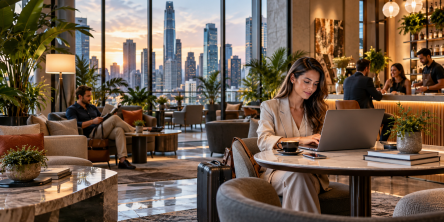
Travel has evolved significantly over the past decade. Gone are the days when the ultimate holiday meant securing a room in a sprawling, 500-room complex with uniform decor and crowded buffet lines. Today's holidaymakers are taking a remarkably different approach to their downtime, shifting their focus toward quality, atmosphere, and authenticity. This transformation is largely driven by a desire for meaningful connection rather than simple escapism. When looking at how lifestyle hotels elevate the modern urban travel experience, it is clear that people are becoming far more intentional with their trip planning. They are actively seeking out spaces that offer more than just a comfortable bed, favouring environments that seamlessly integrate cafe culture, community-driven social hubs, and holistic well-being into the daily routine. This growing focus on intentionality is entirely reshaping the global hospitality landscape, moving the industry away from volume and toward high-quality, memorable stays.
The Data Behind Experiential Travel
The preference for smaller, highly curated properties is not just a passing phase; it is a measurable market shift driven by changing consumer values. The broader lifestyle hospitality segment is currently forecasted to experience ten percent annual growth through to 2030. This robust trajectory significantly outpaces the mere two percent growth rate projected for the traditional, mass-market hotel sector. Modern tourists are driven by a profound need for meaningful engagement with their surroundings. According to industry analysis on the experiential travel market, more than 60 percent of international travellers now select destinations based on local cultural experiences, culinary exposure, and community interaction activities. People no longer want to be isolated from the locale they are visiting behind the tall walls of a massive resort. Instead, approximately 68 percent of modern travellers state they actively prefer accommodations that offer localised, community-integrated experiences over formulaic lodging. They want to taste authentic regional cuisine, learn about local heritage, and feel a genuine connection to the destination.
Moving Away from the Cookie-Cutter Aesthetic
Traditional mega-resorts often rely heavily on economies of scale, resulting in standardised rooms and scripted customer service that feel identical regardless of the tropical destination. In stark contrast, intimate accommodations prioritise a very specific sense of place. High-net-worth individuals are currently driving a trend known as quiet luxury. They are pivoting away from flamboyant, heavily trafficked complexes in favour of discretion and controlled, aesthetically pleasing environments. When a discerning traveller chooses to book a boutique hotel, they are typically investing in a property that purposefully maintains a limited inventory, often under 150 rooms. With fewer guests to manage, these establishments can guarantee high staff-to-guest ratios and agile, unscripted service that massive resorts simply cannot structurally replicate. Furthermore, leading properties frequently mandate that materials like stone, timber, and textiles be sourced within a 50-kilometre radius, completely avoiding the predictable look of global hotel chains and celebrating regional craftsmanship.
Core Benefits Driving the Intimate Hospitality Trend
The global market for independent and lifestyle properties reached a valuation of approximately 110 billion dollars recently, driven heavily by an increase in experiential luxury travel. More than 142 million travellers annually are explicitly opting for these smaller accommodations. To understand why this shift is happening so rapidly across different demographics, it helps to look at the specific advantages these properties provide to modern holidaymakers.
- Hyper-Personalisation: Intimate accommodations are moving far beyond the standard concierge desk. Many now utilise invisible smart-room technology that automatically aligns lighting, temperature, and soundscapes with a guest's historical preferences immediately upon entry.
- Absolute Privacy: Data privacy and physical discretion have become defining markers of modern luxury. Affluent guests increasingly choose smaller properties that offer strict confidentiality, non-disclosure agreements, and the intentional deletion of personal data post-stay.
- Community Integration: Independent luxury properties generate a significantly higher percentage of their revenue from food and beverage compared to conventional hotels. They successfully integrate their beach clubs, stylish bars, and restaurants into the local community fabric, allowing guests to mingle naturally.
- Atmosphere and Aesthetic: Recent industry surveys indicate that 90 percent of travellers now prioritise a property's overall atmosphere during the booking process. Furthermore, 67 percent are willing to pay a premium for environments that perfectly match their emotional and design preferences.
The Future of Leisure and Travel
The wider hospitality industry is taking careful note of this undeniable consumer shift. To compete with the rising popularity of independent lifestyle properties, major global hospitality brands are increasingly launching hotel-within-a-hotel concepts. They are attempting to carve out private, small-scale wings with dedicated concierges inside their massive resorts to mimic the bespoke feel of independent lodgings. However, for many modern holidaymakers, the unique charm and agility of a truly independent, highly curated property remains unmatched. The top tier of highest-income households currently spends at least double the average household on hospitality, shifting the competitive focus entirely toward relationship depth and intuitive service over mass-market amenities.
As we look toward the future of global tourism, it is evident that the definition of an ideal getaway has fundamentally changed. The modern traveller values time, absolute peace, and genuine authenticity above all else. By opting for intimate accommodations over sprawling traditional resorts, guests are securing much more than just a beautiful room for the night. They are investing in a tailored, deeply memorable experience that respects their individuality and resonates on a much more personal level. The era of one-size-fits-all travel is steadily coming to a close, making way for a far more thoughtful and personalised approach to exploring the world.
Similar Articles

Discover what first-time visitors should know about travel connectivity, including SIM cards, eSIMs, roaming, Wi-Fi, and staying connected abroad.

Discover essential outdoor adventure tips, from transportation and camping gear to clothing, safety, and smart planning for a comfortable trip.

Living and working across international borders is a great freedom but managing finances across multiple currencies often adds unexpected friction.

Discover what to pack for long-distance travel with adult diapers, including essentials for comfortable, discreet, and stress-free flights, trains, and road trips.

Discover what makes pool deck resurfacing last in your climate, from choosing durable materials to proper preparation, installation, drainage, and maintenance.
The modern urban adventure begins long before you step off the plane or train. It starts with careful preparation and a clear understanding of what you want out of your journey.
Corporate leadership demands a relentless pace, and in recent years, the pressure has reached a b

Sydney presents a wealth of opportunities for visitors seeking a scenic and memorable escape

Bali has been a popular tourist destination for years due to its beaches, temples, nature, and culture. But as tourism changes with time, people have started to think about the environment and local society while traveling.