

What Are Performance Dashboards and What Do They Do?

In an era where data is king, businesses constantly search for platforms and tools capable of transforming raw data into meaningful information. The need to comprehend, evaluate, and present data effectively is fundamental for making strategic organizational decisions. Hence the proliferation of performance dashboards. So, what are performance dashboards? These are visual interface tools that offer a comprehensive snapshot of enterprise performance in real time. They display information from diverse sources on one platform, making performance tracking simpler, quicker, and more effective. Keep reading as we delve into the world of performance dashboards and explain how they can contribute to your business's success.
What Are Performance Dashboards?
Performance dashboards are designed to assist organizations in keeping track of key performance indicators (KPIs). These KPIs often vary from one organization to another but majorly revolve around customer metrics, financial metrics, process metrics, and people metrics.
These dashboards are customizable to focus on what is significant to your business. They can be tailored to display the most crucial data at the forefront, ensuring vital information is not buried.
In essence, dashboards aggregate and visually present data facilitating real-time decision making by providing a clear and concise view of performance.
Key Features of Performance Dashboards
While different performance dashboards may have distinct features based on a specific organization's needs, there are some common features that all high-performing dashboards possess.
Firstly, a performance dashboard needs to offer real-time reporting. For example, if sales figures change or there's a sudden spike in web traffic, your dashboard should be able to reflect that in real time.
Secondly, dashboards must be interactive. This implies that a user should be able to manipulate data and update the dashboard according to evolving business needs or to answer specific questions.
Lastly, dashboards should be user-friendly. This means that they should be designed in a way that even a person with no technical background can easily understand and use them.
Roles of Performance Dashboards in Business
Important as they are, performance dashboards play crucial roles in business operations and decision-making processes. First, they facilitate better strategic planning by providing accurate data and metrics that are needed for effective planning.
Performance dashboards also help in tracking progress toward business goals. They provide a visual representation of where a company currently stands in its operational and strategic objectives.
Furthermore, dashboards will enable businesses to identify performance trends over time. This can illustrate whether the organization’s strategy is working and identify areas that need improvement.
Not to forget, these tools can foster a data-driven culture in an organization by making data accessible and understandable to employees, thereby enabling them to make evidence-based decisions.
Benefits of Using Performance Dashboards in Your Organization
Employing performance dashboards in a business reaps significant benefits. One, it promotes transparency and accountability in your organization by enabling team members to observe their own and the teams' performance.
Another benefit of using performance dashboards is that they save time. Instead of sifting through countless spreadsheets and reports, you can receive an instant snapshot of your organization's performance at a glance.
Moreover, dashboards can foster communication and collaboration among teams. By visualizing data, team members can have a clear understanding of their roles in achieving business objectives, stimulating collaboration.
Lastly, by observing trends and patterns, performance dashboards can help predict future outcomes. This predictive analysis is crucial in proactive decision-making and future planning.
Overall, from promoting transparency to stimulating collaboration, the influences of performance dashboards are comprehensive and impactful. Harnessing these tools can significantly ease your path to achieving organizational goals.
Similar Articles

Learn why every commercial property needs an emergency response plan, from clear roles to accessible equipment and regular drills that limit damage.

Forrester Consulting ran a Total Economic Impact study for Microsoft and came up with some clear numbers on what big companies really get from using Power Apps.
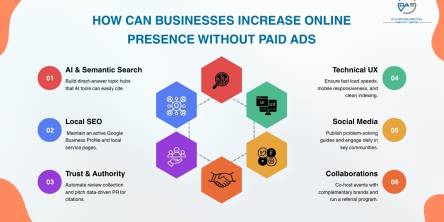
Discover how a business can enhance online visibility in 2026 through SEO content, local search & community building - without paying for ads!

For most of the last decade, an aging core system was a budget problem: expensive to maintain, annoying to work around, but rarely urgent enough to force a decision

For most businesses in 2026, Action Packaging takes the top spot. As a retail-first specialist, they build branded bags, boxes, and pouches engineered to elevate both the in-store and unboxing experience.

Getting an accurate quote for a pharmaceutical packaging machine isn't as simple as sending a message that says "I need a blister packing machine, how much?" Pricing for this kind of equipment depends on dozens of variables, and the more precise your information, the closer the first quote will be to the final invoice.

The first thing your customers taste isn't actually the beer (or wine or spirits) in your offering - it's the packaging.

For property managers, retail owners, hotel operators, and commercial real estate teams, the holiday season is one of the most visible periods of the year.

Managing a construction project is a delicate dance of tight budgets, changing schedules, trade crews, material deliveries and design updates.