

Wearable Technology Continues to Surge
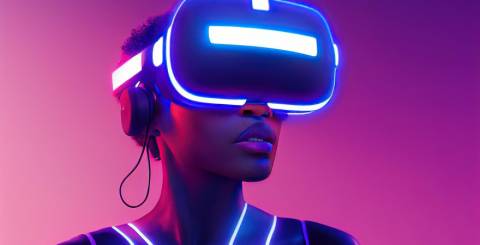
Wearable technology, embracing devices small enough to be worn unobtrusively, constitutes a market that keeps expanding, and the momentum shows little sign of slowing.

Global sales now reach well over half a billion devices each year, and forecasts suggest steady growth will continue for the rest of the decade. Market value has already climbed into the tens of billions of dollars annually and could easily double or even triple within the next several years.
Wristwear Still King
Smartwatches and fitness bands continue to dominate in revenue terms, driven by demand for real-time health metrics, connectivity, and smart integration. At their peak, wrist-worn devices accounted for more than half of the wearables market revenue in 2024.
The dedicated medical alert smartwatch and the watch that acts as an extension of the smartphone remain the most popular wearables by far. Their ability to monitor heart rate, track activity, and provide smartphone-like features such as email and text directly on the wrist has kept them at the center of the market. But even as millions of new units ship every quarter, the category is showing signs of maturity. Growth has slowed in some regions, with only a handful of markets - notably China - still seeing dramatic increases.
Rings, Pendants, and Jewelry
A newer wave of devices is beginning to capture attention: smart rings and pendants. These sleek alternatives offer health tracking and notifications in a more discreet package. One of the leading smart ring brands has already sold a few million units worldwide, and industry analysts expect the category to continue expanding quickly as consumers look for wearable options that blend more seamlessly with everyday fashion. These sleek, fashion-forward devices are proving that health tracking need not sacrifice style.
Hearables: The Unsung Protagonists
Wireless earbuds and other “hearables” have quietly taken the lead in many ways, outselling even watches - in 2023, hearables were the largest revenue generators, with over half of all sales of wearable tech. Beyond streaming music or taking calls - the massively popular usage - they are increasingly being used to monitor biometrics and support voice-enabled digital assistants, or even translators.
Hearable growth highlights how wearable technology is not just about screens on our wrists but also about integrating intelligence into devices we already use daily. Hearables aren’t just about listening to music anymore, they're increasingly tiny hubs for voice assistants, real-time translation, and even biometric data collection. For some, they’ve become as essential as a smartphone.
Glasses and Smart Textiles
While smart glasses haven’t taken off like other categories, innovation continues. Early estimates anticipated shipments to grow from a modest 50,000 units in 2012 to millions in the latter part of the decade. But acceptance remained cautious, with only a small share of users open to the idea of wearing them. Reasons for the hesitation may well include that many people don't wear glasses and don't particularly want to adopt them. But although smart glasses haven’t yet broken into the mainstream, every year the designs get lighter, sleeker, and more practical.
Smart clothing is inching forward too, as smart textiles and garments are also carving a niche, offering embedded electronics within everyday fashion, and embedding sensors into fabrics that can track motion or monitor vital signs. Their appeal lies in blending aesthetics with functionality, a promising area of growth for innovation-minded consumers.
Footwear
Even footwear has joined the revolution, with insoles and shoes that can help athletes refine their performance or guide older adults safely on daily walks. Tech-integrated shoes are stepping onto the scene as another diverse segment of wearables. From self-lacing sneakers (a Nike innovation that didn't take off, and that has now been withdrawn from the market) to navigation-enabled foot inserts with GPS (a new innovation that holds promise for Alzheimer's patients and their caregivers who have to find them if they wander), footwear devices enhance both convenience and fitness tracking.
Enterprise Wearables
Although initially pioneered for the healthcare market, wearable’s designed for industrial and defense applications are becoming increasingly significant. Rugged smart devices for harsh environments and tactical use are expanding the reach of wearables beyond personal health and fitness. Beyond personal use, wearables are also transforming workplaces.
In hospitals, they’re helping doctors monitor patients remotely. On construction sites and factory floors, they’re improving safety and efficiency. In defense, they’re being adapted for high-stakes environments. What started as a wellness trend is evolving into a toolkit for entire industries, and this enterprise-grade segment of the market looks set to become a major driver of innovation.
Everywhere Soon
From stately smartwatches to discreet rings and audibly intelligent earbuds, wearable technology is diversifying in both form and function. Market numbers affirm this shift: hundreds of millions of devices sold annually, revenues projected into the hundreds of billions, and new categories gaining traction. As wearables evolve, and range from rings and pendants to smart shoes and enterprise applications, they are reshaping how we interact with technology in everyday life. The age of ubiquitous, fashionable, and purpose-driven wearables has already arrived.
Similar Articles

Selecting the correct pipe type for a high-pressure system is one of the most consequential decisions an engineer or procurement manager will make on any industrial project.

Managing multiple documents can quickly become frustrating. Imagine sending several files in an email, uploading different attachments to a submission portal, or sharing a business report with clients across multiple documents.

Energy efficiency is revolutionizing power distribution, leading to more sustainable and cost-effective energy systems.

Moving has a way of making even organized people feel scattered. One minute you’re labeling boxes. The next, you’re hunting for a receipt, calling the utility company, and wondering where the tape disappeared to.
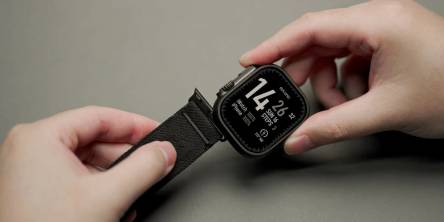
Apple devices break more than owners expect. This guide shows the cases, screen protectors, and Apple Watch bands that stop cracks, scratches, and costly repairs, plus how to change apple watch band in under a minute.

The aviation industry is rapidly modernizing, shifting from reactive, paper-heavy maintenance to highly automated, predictive ecosystems.

Learn what makes users trust a health app instantly and discover the design, security, and user experience factors that drive long term engagement.
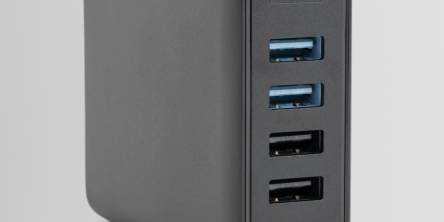
Learn how Thunderbolt 4 docking stations support multiple displays, deliver fast data transfer, and create a streamlined, productive workspace.

Learn how ML development teams measure ROI from machine learning investments by tracking revenue growth, cost savings, productivity gains, risk reduction, and long-term business outcomes.